Today, chocolatiering has gone mainstream, with shows and viral content captivating millions on platforms such as TikTok, YouTube and Netflix. These digital platforms offer this generation of pastry chefs the opportunity to share their creations with a global audience.
In this article, we explore the role of the French chocolate chef, the training required and the essential techniques needed to master this timeless craft in the modern era. If you’re considering a career in this field, our chef career guide can help you explore paths in pastry, confectionery and chocolate artistry.
The legacy of French chocolatiers
Renowned around the world, French chocolate is a symbol of excellence, artistry and cultural pride. French chocolatiers are celebrated for their attention to detail, commitment to innovation and insistence on quality. Their creations begin with ethically sourced cocoa beans and end in beautifully crafted confections.
Chocolate in France is a form of craftsmanship with deep cultural roots. From traditional recipes to today’s luxury chocolate boutiques, every piece tells a story. Pioneers including Jacques Torres helped bring French chocolate expertise to global audiences, opening stores in New York and even contributing to the Choco-Story museum.
Now, modern chocolatiers such as Amaury Guichon show how far the craft has come. While timeless classics remain, there’s now room for storytelling, large-scale chocolate sculptures and interactive experiences. Through social media, these chefs share behind-the-scenes videos, tutorials and classes with fans worldwide.
The role of a French chocolate chef
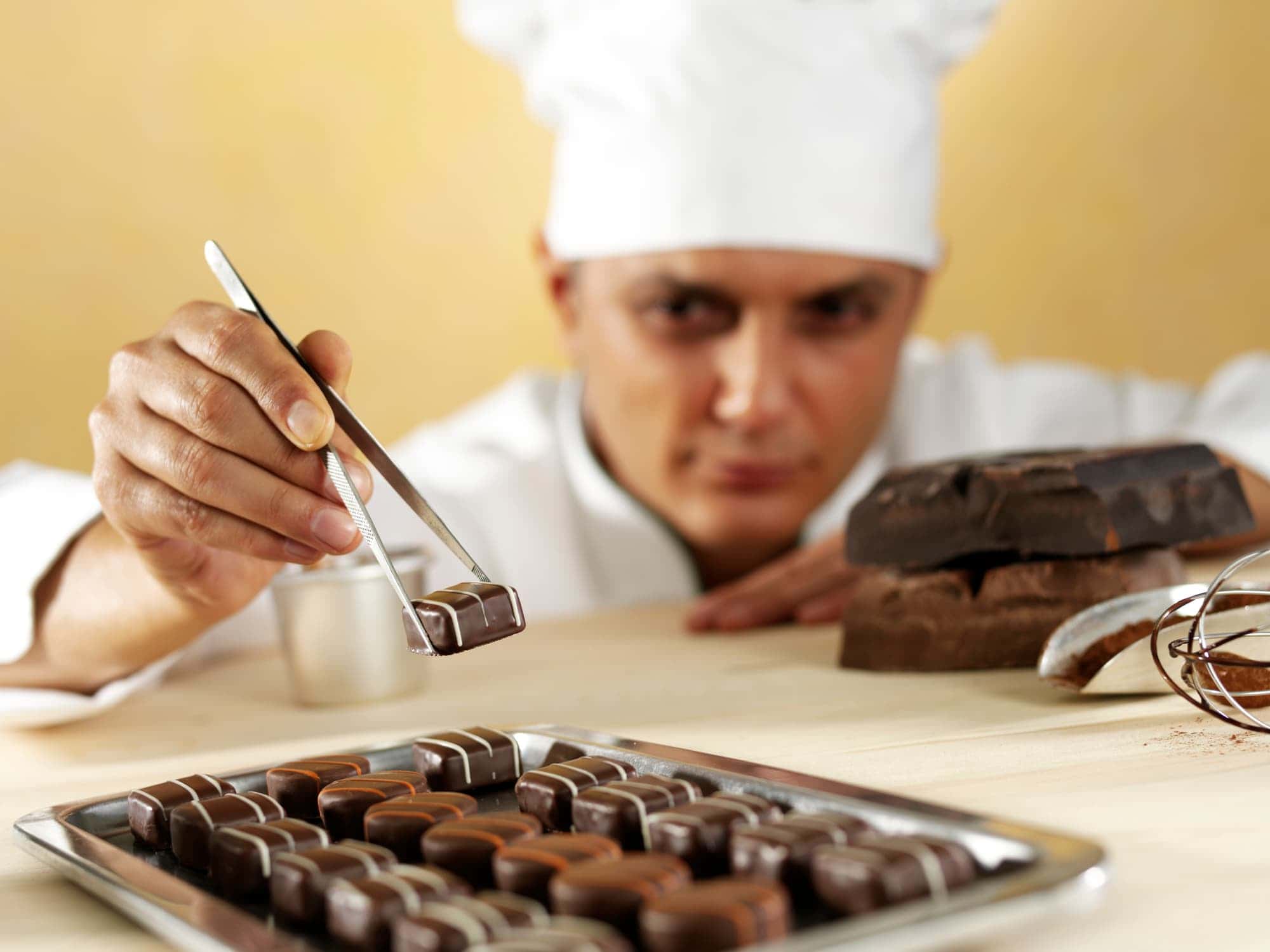
Chocolatiers’ days often begin with tempering chocolate, molding shapes and preparing ganache. They may also paint decorative layers, fill pralines or build larger showpieces for hotel displays or culinary competitions.
Many chocolate chefs work in high-end pastry boutiques, chocolate-centric restaurants or Michelin-starred kitchens. Some showcase their talents internationally, working in cities such as Geneva, Las Vegas or Cannes.
There is also a growing demand for chocolate chefs in media settings, where they collaborate with stylists, videographers and publishers.
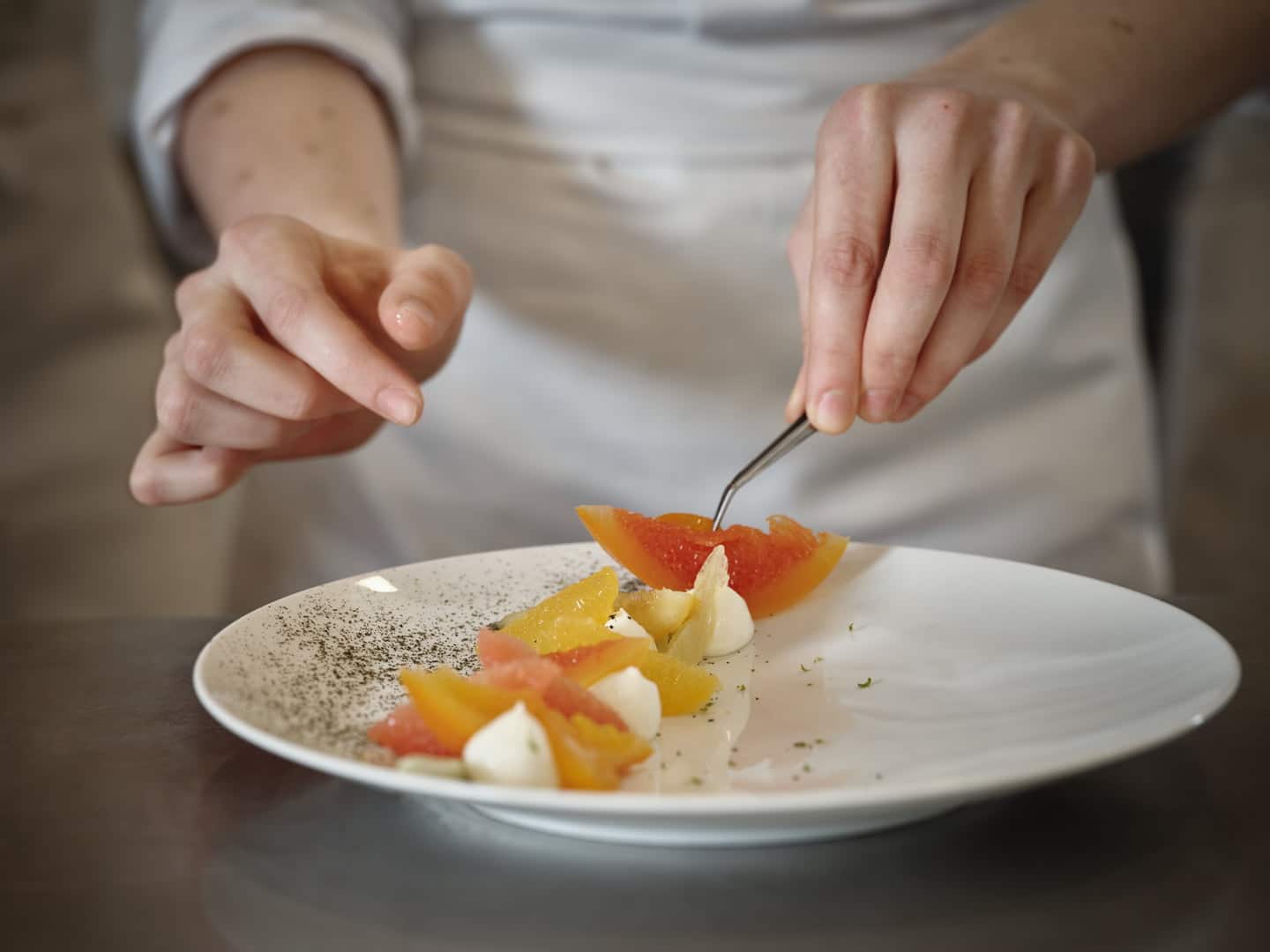
As well as having high-end culinary skills, chocolate chefs must also adapt to seasonal ingredients and festive themes. They may also collaborate on packaging design and contribute to visual displays that draw in customers.
Aspiring chocolatiers can prepare for this dynamic role by mastering essential chef skills, including precise knife work, hygiene practices, temperature control and flavor pairing, which are all fundamental to the art.
Required training and certifications
Becoming a successful French chocolatier requires structured training. While some chefs are self-taught, most follow a professional path that starts with formal pastry education and then moves into chocolate specialization. This training ensures they meet food safety standards, maintain high quality and are able to innovate with confidence.
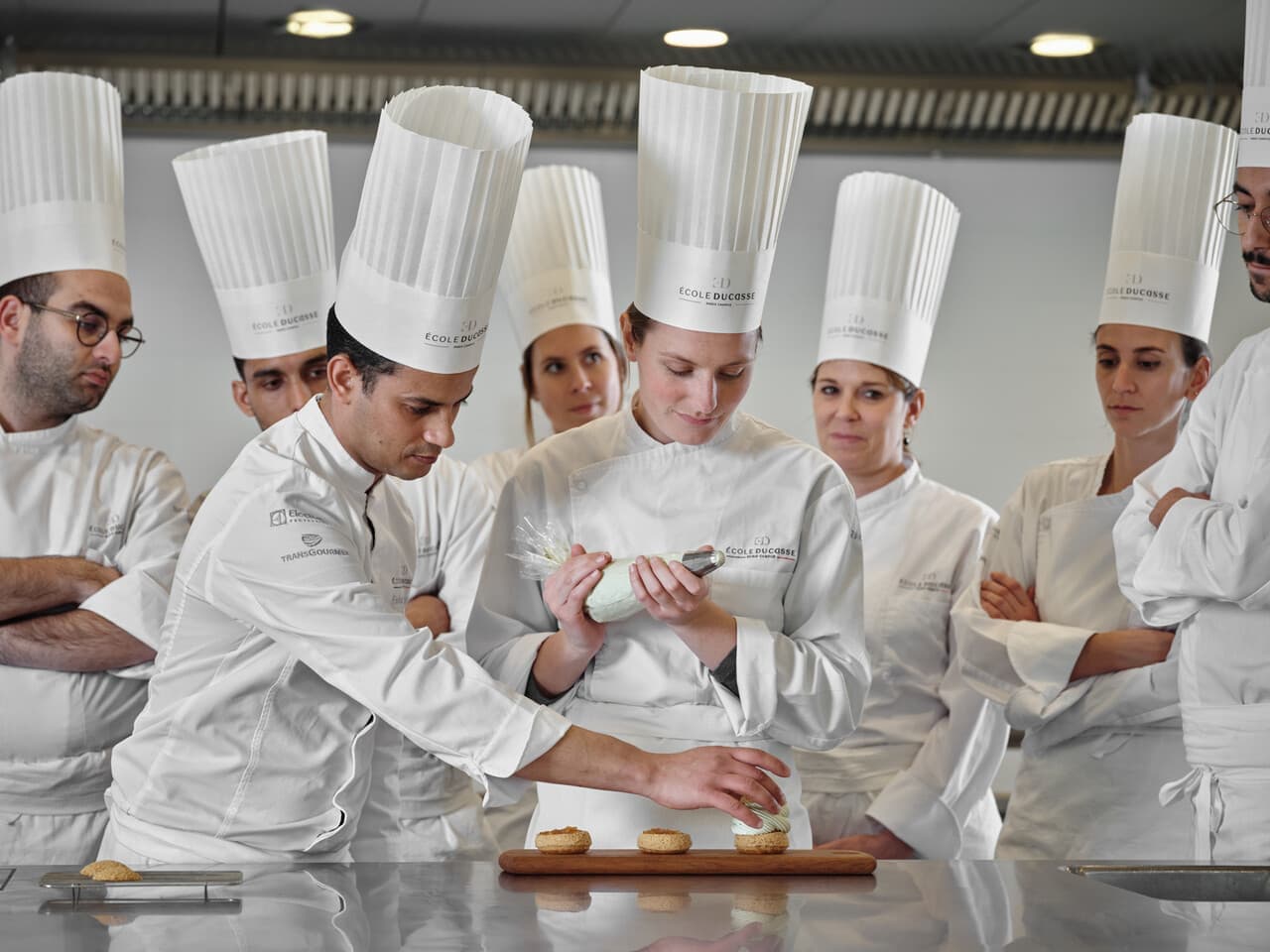
A culinary education in France is one of the most respected ways of becoming a chocolatier. Most students begin with a baking and pastry arts course, learning core techniques such as pâte à choux, ganache, fruit tarts and glazing. Some continue with a Bachelor's in French Pastry Arts, which includes more advanced practice and chocolate-focused modules.
Top culinary schools usually feature:
- Dedicated chocolate labs
- Guest lectures from industry experts
- Mentorship and hands-on experience
- Internships or job placements in luxury chocolate boutiques or high-end hotel kitchens
A good program also introduces students to the science of cooking and chocolate making. This includes understanding sugar crystallization, fat content and emulsification.
Techniques every chocolate chef must master
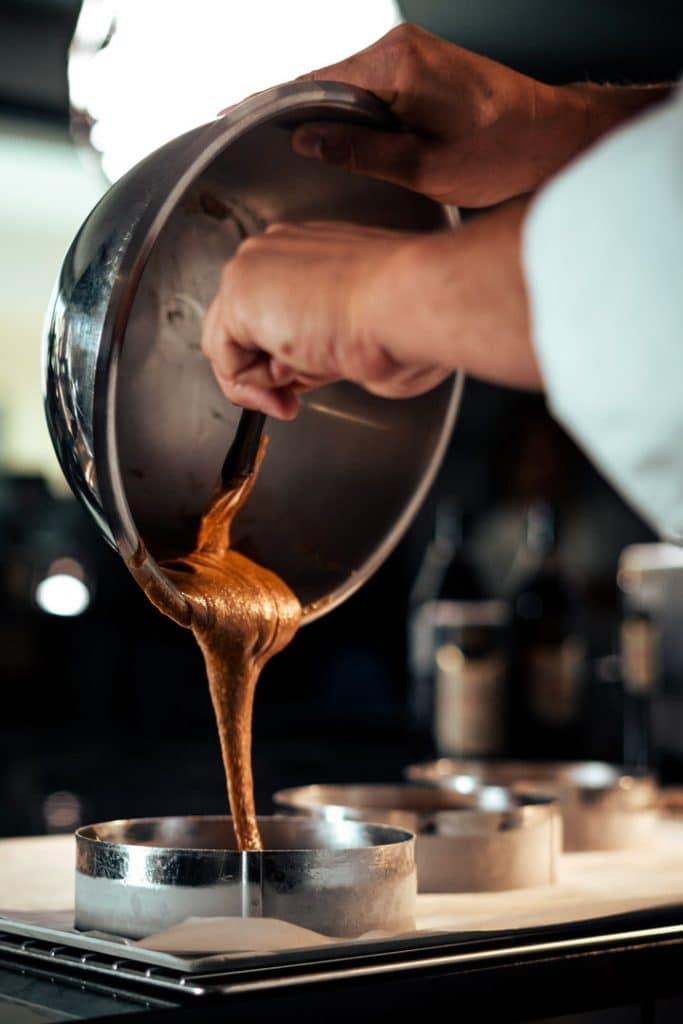
To succeed in this profession, you’ll need to master a core set of skills. These impact every aspect of the chocolate’s appearance, texture and shelf life.
Key techniques include:
- Tempering: heating and cooling chocolate to precise temperatures for a shiny finish and clean snap
- Molding: creating smooth shells for bonbons, bars and filled pieces
- Ganache creation: mixing chocolate with cream, butter or fruit purées to produce smooth textures
- Painting and decoration: using colored cocoa butter and sprays to create visual impact
- Praline innovation: combining nuts, sugars and chocolate for layered textures
- Shelf life control: balancing water activity and sugar content to prevent spoilage
An understanding of cocoa origin and percentage is also key. Different beans bring distinct aromas, acidity levels and bitterness. For example, cocoa from Venezuela tends to be fruitier, while beans from Madagascar are often more floral.
These techniques are the foundation of chocolate artistry. Advanced courses often explore these in depth, along with:
- Packaging and presentation
- Storage and climate control
- Innovations such as 3D chocolate printing
From France to the world: chocolate as an art form
As the global culinary scene becomes more connected, chefs trained in France are bringing their expertise to international kitchens, luxury hotels, chocolate studios and educational platforms. Their influence is especially strong in Japan, the US and Mexico, where chocolate has evolved from a simple treat into an art form.
Shows such as School of Chocolate on Netflix have transformed the way people perceive the profession. Viewers around the world watch chefs craft breathtaking chocolate sculptures with showmanship and incredible technical skill. The techniques once reserved for elite culinary schools are now accessible to a global audience.
This visibility is redefining what it means to be a chocolatier. No longer limited to behind-the-scenes work, chocolate chefs are now creators, performers and educators. They bring people into their process, from the workshop to the lab, and sometimes even to the cocoa farms where it all begins.
At the heart of this shift is storytelling. French chocolate chefs use their creations to share memories, express personal philosophies and capture the essence of places or seasons. A single bonbon might reflect a specific region or evoke a childhood memory. This kind of culinary storytelling is part of what makes haute chocolaterie stand out in the modern food world.
For those inspired to join this international movement, studying at a top culinary school in France offers the knowledge, training, creativity and global perspective needed to thrive.
What does it mean to be an entrepreneurial chocolatier?
An entrepreneurial chocolatier is a chef who combines chocolate-making expertise with business innovation. Instead of working only in traditional kitchens, these chefs launch boutique chocolate shops, create luxury gift brands, and build online communities. Social media, e-commerce, and virtual tastings make it easier than ever to reach customers directly.
To succeed, entrepreneurial chocolatiers need more than technical skills. They must understand branding, storytelling, and customer experience—especially in the luxury market, where chocolate is often purchased for gifts, events, or indulgence.
Entrepreneurial chocolatiers also need to embrace key tools and strategies, such as:
- Social media platforms: to showcase creations and engage directly with followers
- E-commerce and online ordering systems: to streamline sales and delivery
- Compelling brand storytelling: to create emotional ties with customers
- Beautiful packaging and presentation: to elevate the luxury experience
For those dreaming of opening a boutique, a foundation in food entrepreneurship can make all the difference. Essential areas to master include:
- Writing a solid business plan
- Understanding profit margins and funding options
- Navigating logistics and supply chains
- Applying insights from customer psychology
Good communication skills are also important. Whether you're describing the layers of a dessert, managing a team or pitching to investors, clear and confident communication builds trust and credibility. Investing time in business communication skills prepares chefs for working with suppliers, clients, journalists and partners alike.
Why choose École Ducasse for chocolate training?
For aspiring chocolate experts, the right culinary school can define a career. École Ducasse is a global leader in pastry and chocolate education, combining tradition, innovation, and hands-on learning. Its reputation, world-class facilities, and strong industry links make it a top choice for chefs who want to specialize in fine chocolate.
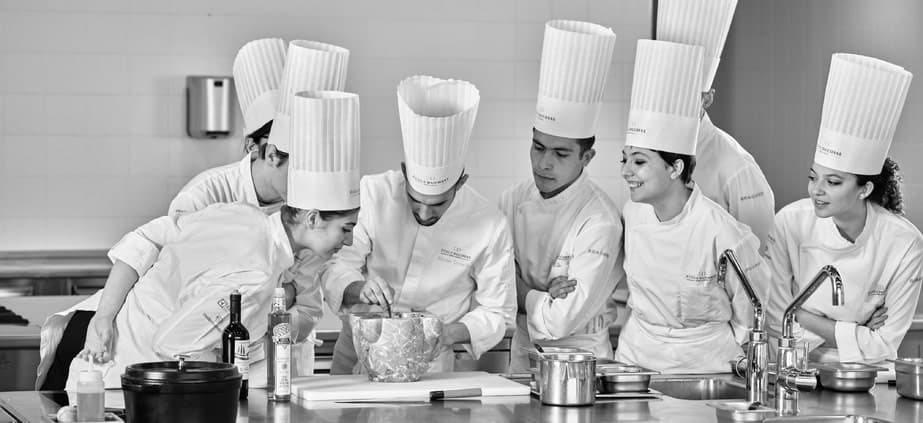
From the first day, students train in professional pastry kitchens, working with advanced tools and challenging chocolate projects. Innovation labs expand creativity with chocolate painting, sugar artistry, praline filling, and even digital design. This approach blends technical mastery with artistic freedom, building both confidence and skill.
Career opportunities are another advantage. École Ducasse partners with leading hotels, boutiques, and international kitchens, ensuring access to internships and high-level job placements. Graduates leave with a prestigious diploma, a professional portfolio, leadership skills, and a business-ready mindset.
Among the programs are the Higher Diploma in Pastry Arts, focused on chocolate innovation, product design, and boutique development, and the Bachelor’s in Culinary Arts, which integrates chocolate craftsmanship with leadership, kitchen management, menu design, and global food trends.
The Journey to Becoming a French Chocolate Chef
Becoming a French chocolate chef is more than a career; it is an art form. Chocolatiers blend classic French techniques with modern creativity, transforming cocoa into edible masterpieces. With the right training, passion, and dedication, you can turn your love of chocolate into a profession where imagination sets the boundaries and the kitchen becomes your canvas.