Culinary school offers a way to make that leap without leaving everything to chance. It provides structure, mentorship and hands-on experience so you can build a practical and inspiring foundation.
While a career in food can involve working in restaurant kitchens, the industry has evolved into a global ecosystem of opportunity, from fine dining and sustainable gastronomy to food media and culinary entrepreneurship. As demand grows for skilled professionals who can combine technical expertise with creative vision, culinary schools have become the bridge between ambition and real-world roles.
Why more professionals are changing careers
A growing number of people are turning to culinary arts to reinvent their careers and the outlook has never been stronger. In 2024, the global hospitality and travel sector contributed more than $11 trillion to global GDP, nearly 10% of the world’s economy, and supported 371 million jobs worldwide, a notable recovery from pandemic lows. Chef employment specifically is projected to grow 8% from 2023 to 2033, faster than the average for all occupations, with around 24,600 new openings each year in the U.S. alone.
For many, the pull toward culinary careers is profoundly personal. After long hours in industries such as finance, healthcare or law, professionals finding themselves drawn to creativity, human connection and culinary craft are discovering gastronomy offers meaning and purpose. Others feel inspired to take control of their future, opening bakeries, pop-ups, virtual kitchens or sustainable food ventures.
Your existing skills, whether project management, client relations or budgeting, are far from irrelevant. Kitchens are ecosystems built on organization, collaboration and leadership. Transitioning into culinary arts doesn’t mean starting over; it means redirecting your talents toward a different canvas.
Choosing the right culinary program
Not every aspiring chef wants the same path and today’s culinary schools reflect that. Whether you are testing the waters, committing to a full career shift or balancing education with existing work, there are structured options to suit different timelines and goals:
- Short courses: perfect for testing your interest or honing a specific skill
- Diplomas: focused, immersive programs designed to build solid technique and kitchen confidence
- Bachelor’s degrees: ideal for those seeking a comprehensive education that blends culinary mastery with management and entrepreneurship
Many programs are designed specifically for beginners with no prior experience in the kitchen, which is ideal for career changers. Training begins with fundamentals, including knife skills, sauces, pastry basics and mise en place, and progresses to advanced techniques, innovation modules and leadership training.
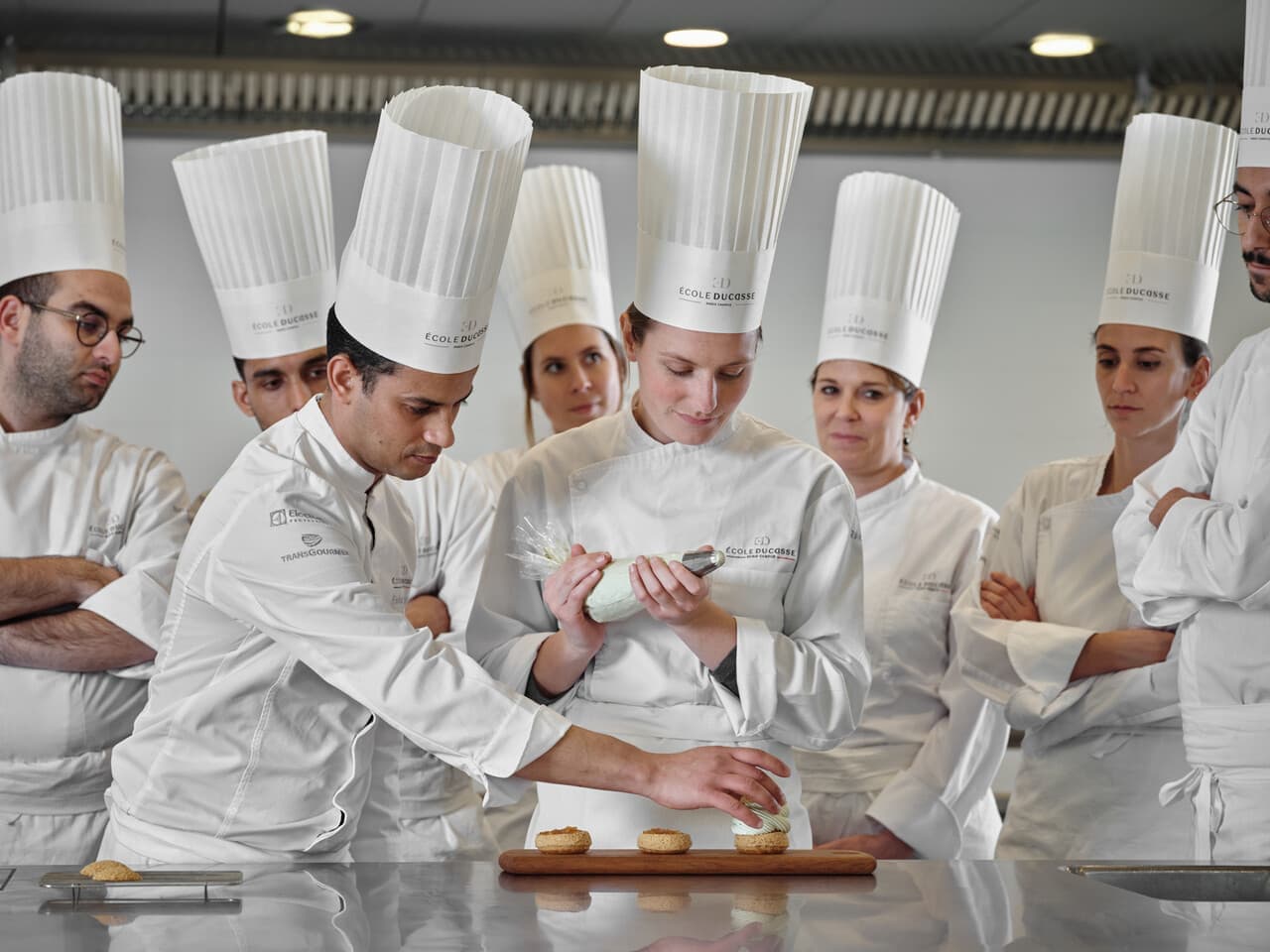
Hands-on exposure is key. In many schools, students work alongside experienced instructors, industry experts and Meilleurs Ouvriers de France chefs, an opportunity to learn directly from some of the most respected names in French gastronomy. Courses also incorporate business-focused modules, preparing graduates for roles that combine craft with strategic thinking.

Immersive learning at a French culinary school
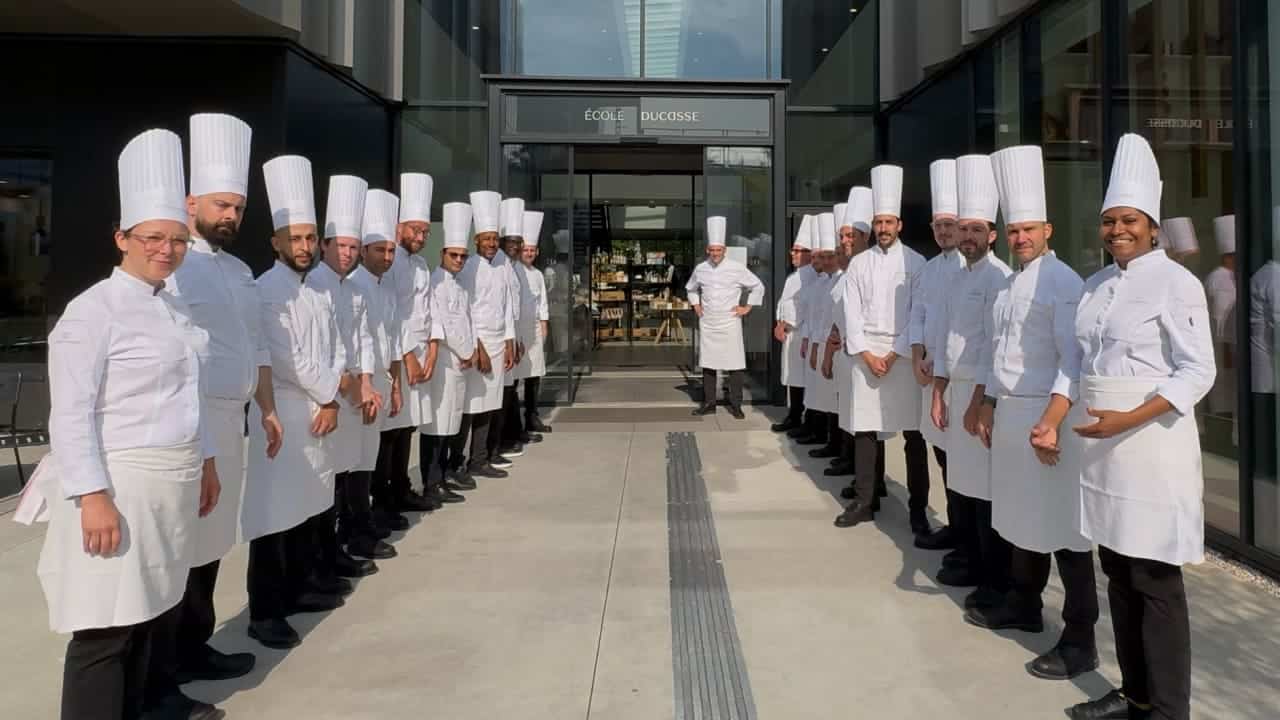
Studying in France connects you with one of the most influential culinary traditions in the world. Paris provides access to Michelin-starred kitchens, renowned markets and a vibrant food culture, while campuses such as the ENSP in Yssingeaux offer a quieter environment focused on precision, craft and innovation.
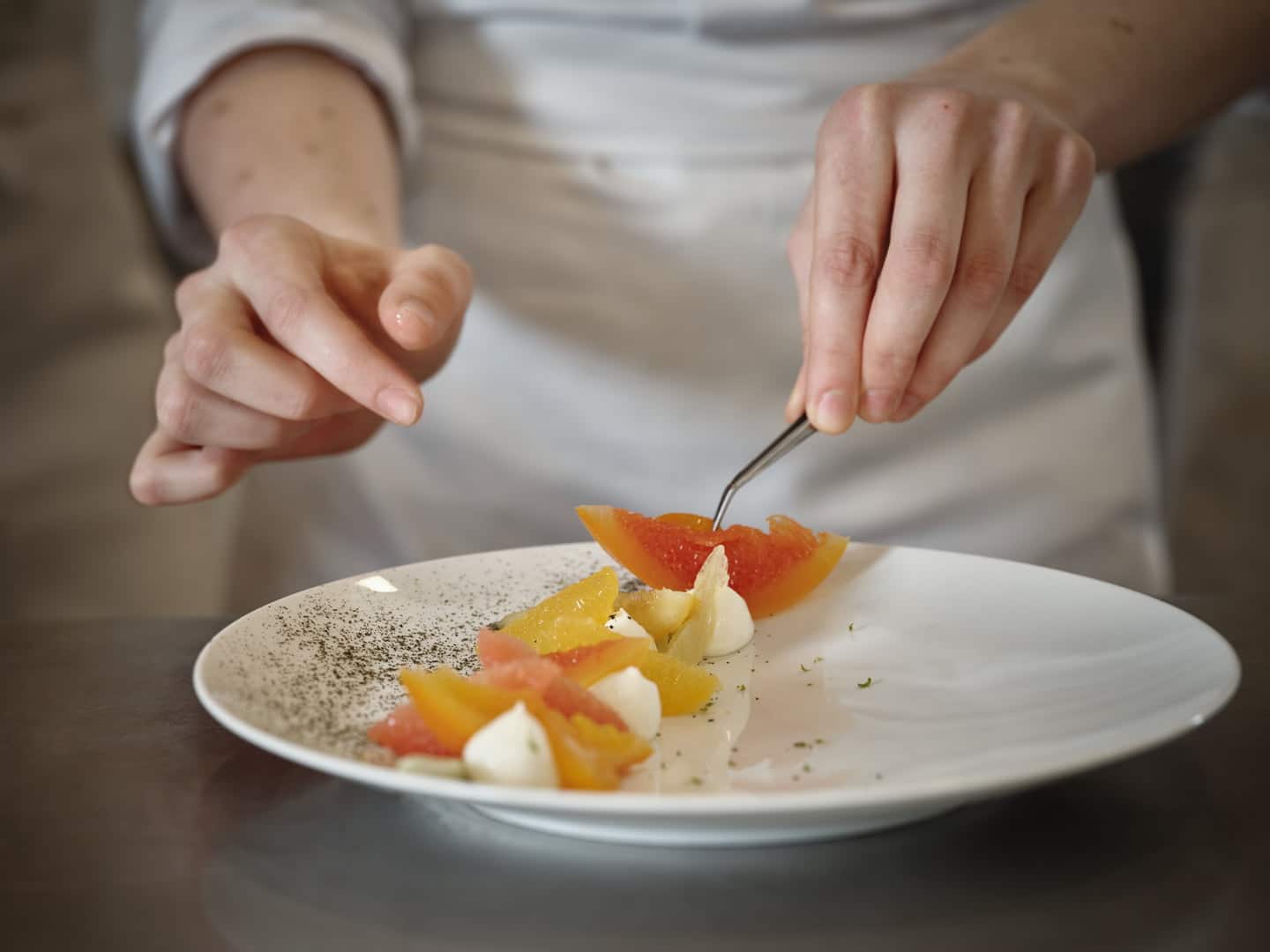
Training combines classical French methods with modern practices and focuses on mastering fundamentals such as sauces and pastry while exploring sustainability, plant-based gastronomy and new technologies that are influencing kitchens globally. Students gain exposure to international culinary trends while grounding their craft in French excellence.
Live demonstrations, small-group workshops and intensive kitchen rotations ensure learning is always practical. From day one, you spend more time cooking than sitting in lectures, developing confidence and speed under real kitchen conditions.
Tuition, costs and return on investment
Culinary school can be one of the most rewarding investments you make in your future, but it’s important to plan ahead. Tuition costs vary depending on program length, campus location and level of certification. Alongside tuition, you’ll need to factor in accommodation, uniforms, kitchen tools and food preparation materials, as well as living expenses during your training.
Many culinary arts degree programs now support students through financial aid options, scholarships and flexible payment plans, making high-level culinary education more accessible to aspiring chefs and international students. If you’re considering studying abroad, institutions often provide visa support and guidance on relocation as well.
Programs frequently include externships or industry-linked internships that can offset costs while giving you hands-on experience in professional kitchens. These opportunities connect students directly with chef instructors, restaurants and hotels in the wider hospitality industry, making the transition from school to workplace much smoother.
While tuition represents an upfront commitment, the return is clear: access to global networks, mentorship from industry professionals and career pathways across fine dining, baking and pastry arts, food entrepreneurship and restaurant management. In a fast-changing foodservice industry, graduates with accredited culinary qualifications stand out when applying for roles or launching their own ventures.
Building your new career
Whether your goal is to work in high-end restaurants, lead kitchen management in boutique hotels or develop innovative food products for global brands, the right training gives you the practical skills and strategic insight needed to succeed.
Graduates usually start with entry-level culinary jobs such as commis chef, prep cook or assistant baker, applying core techniques learned through hands-on training. Many programs integrate externships in respected kitchens, offering direct exposure to industry standards, menu design processes and professional chef instructors.
Some graduates find their careers move beyond traditional kitchens. Culinary schools increasingly prepare them for roles in sustainable food systems, culinary tourism, nutrition consulting and media-focused gastronomy. Others graduates transition into entrepreneurship, leveraging business modules in menu design, financial planning and restaurant management to launch their own ventures.
For those seeking international opportunities, accredited culinary institutions also provide access to an alumni network that spans restaurants, food groups and culinary tourism projects worldwide. These connections are invaluable when exploring new markets or relocating your culinary career abroad.
From training to entrepreneurship
For many career changers, the dream is not just to cook but to create something entirely their own. Culinary schools are responding by embedding entrepreneurship modules alongside technical training. Students learn how to develop a concept, design menus, calculate costs and manage operations, all essential foundations for running a successful business.
Business-focused courses cover:
- Restaurant operations: planning service, staffing and workflow
- Menu design: balancing creativity, cost control and customer expectations
- Financial planning: pricing strategies, cost models and funding options
- Marketing and branding: building a unique identity in a competitive market
In some programs, AI-powered business simulations enable students to model different scenarios before investing real-world resources. By understanding how small decisions affect margins, service quality and sustainability, graduates leave with the confidence to launch ventures thoughtfully and strategically.
Learn more about how to start a restaurant, including key steps in planning, funding, staffing and marketing.
Student life
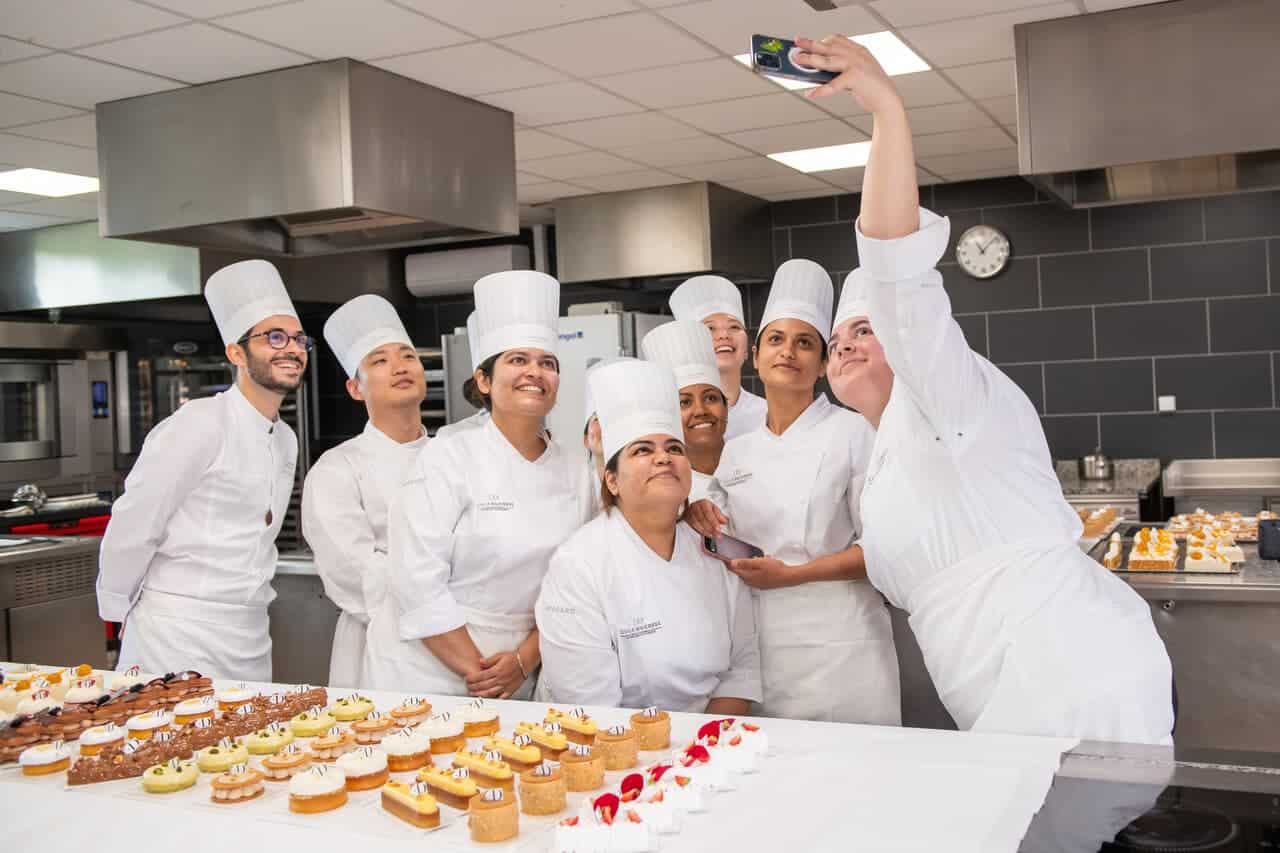
By studying at a leading culinary institute, you become part of a dynamic, global community. Career changers have diverse backgrounds in finance, design, engineering and marketing, enriching the learning environment with their experiences.
Life on campus is vibrant and immersive. Students take part in collaborative projects that simulate real-world culinary challenges, while cultural immersion introduces them to regional ingredients, traditions and hospitality customs. Global competitions offer opportunities to test skills and gain recognition, while access to producers, markets and master chefs helps bring classroom theory to life through practice.
Global exposure, local expertise
Culinary education connects students to a global community while grounding them in local knowledge. Through live masterclasses, collaborative projects and international internships, learners gain insight into how cuisines evolve and influence each other.
At the same time, understanding the context of local ingredients and traditions is central. Studying in France provides direct access to culinary heritage while encouraging exploration of sustainability, regional sourcing and emerging food trends.
This balance prepares graduates to lead kitchens that are innovative and grounded in local culture, a combination increasingly valued by employers and diners alike.
Career progression and long-term opportunities
Breaking into the industry is just the beginning. A culinary education can help speed graduates’ progress through kitchen hierarchies and opens doors to career pathways such as:
- Commis chef: develops foundational skills under close mentorship
- Chef de partie: leads a section of the kitchen, mastering advanced techniques
- Sous chef: manages operations, quality control and team leadership
- Executive chef: oversees menu creation, strategy and kitchen performance
Others choose to specialize in French pastry arts, sustainable cuisine or haute gastronomy, building reputations as experts in highly focused fields. Formal education provides the credibility and confidence to advance quicker, supported by industry connections forged during training.
Conclusion
Changing careers is a bold step, but culinary school provides the structure, skills and community to make it possible. With hands-on learning, global perspectives and direct industry exposure, students gain the tools they need to thrive in today’s competitive culinary landscape.
Whether you are dreaming of running your own restaurant, working in world-class kitchens or developing innovative food products, training transforms passion into skill and expertise into opportunity.