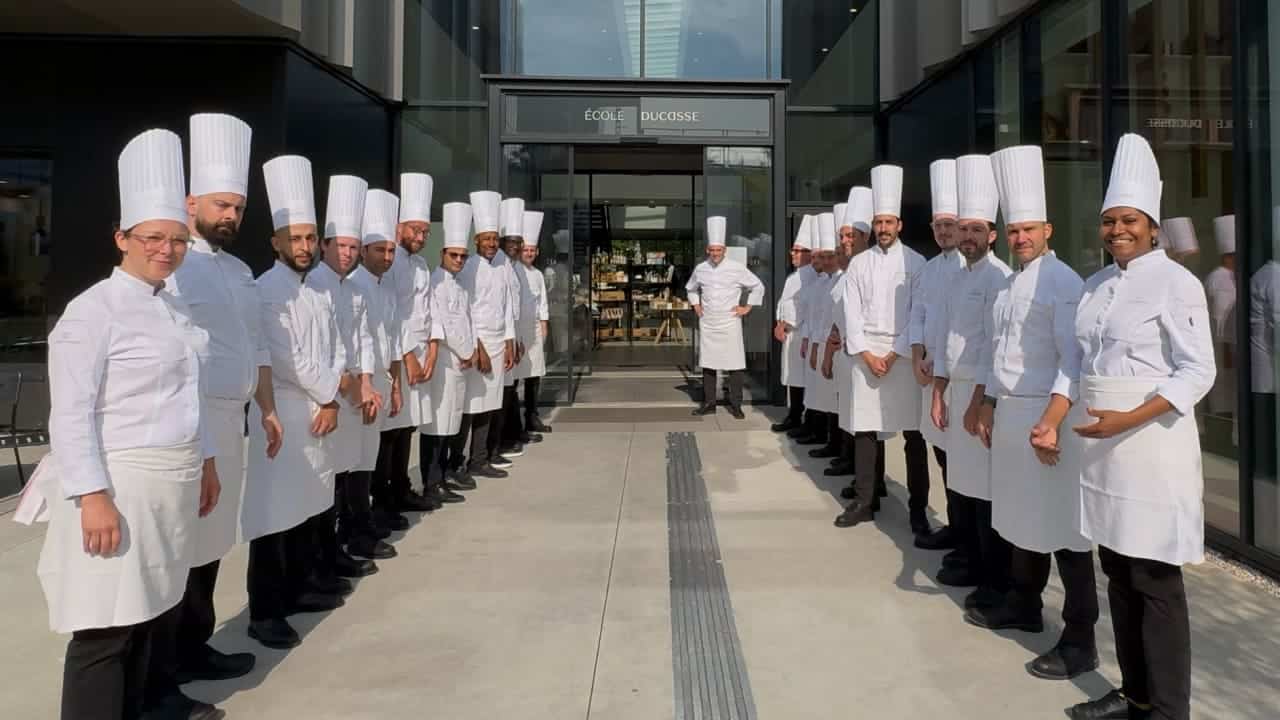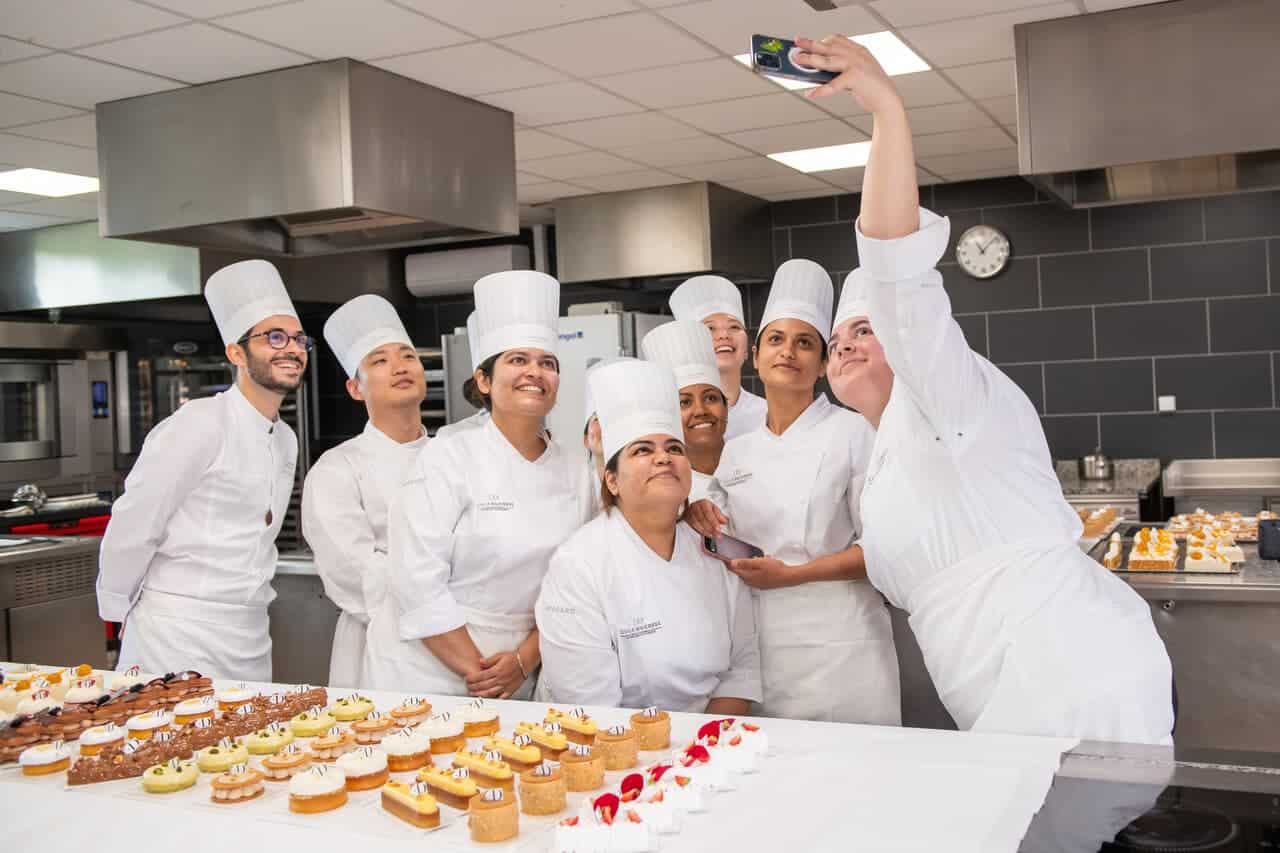
Artificial intelligence, smart kitchen systems and immersive culinary technology labs are transforming training for the next generation of chefs. While the craft still depends on precision and intuition, students today have access to real-time feedback tools and performance data that were once impossible to capture.
Culinary schools and programs are preparing graduates for professional kitchens that are becoming increasingly data-driven and connected. But what impact is it having? And how much is technology changing culinary education? Read on to find out.
A classroom shaped by technology
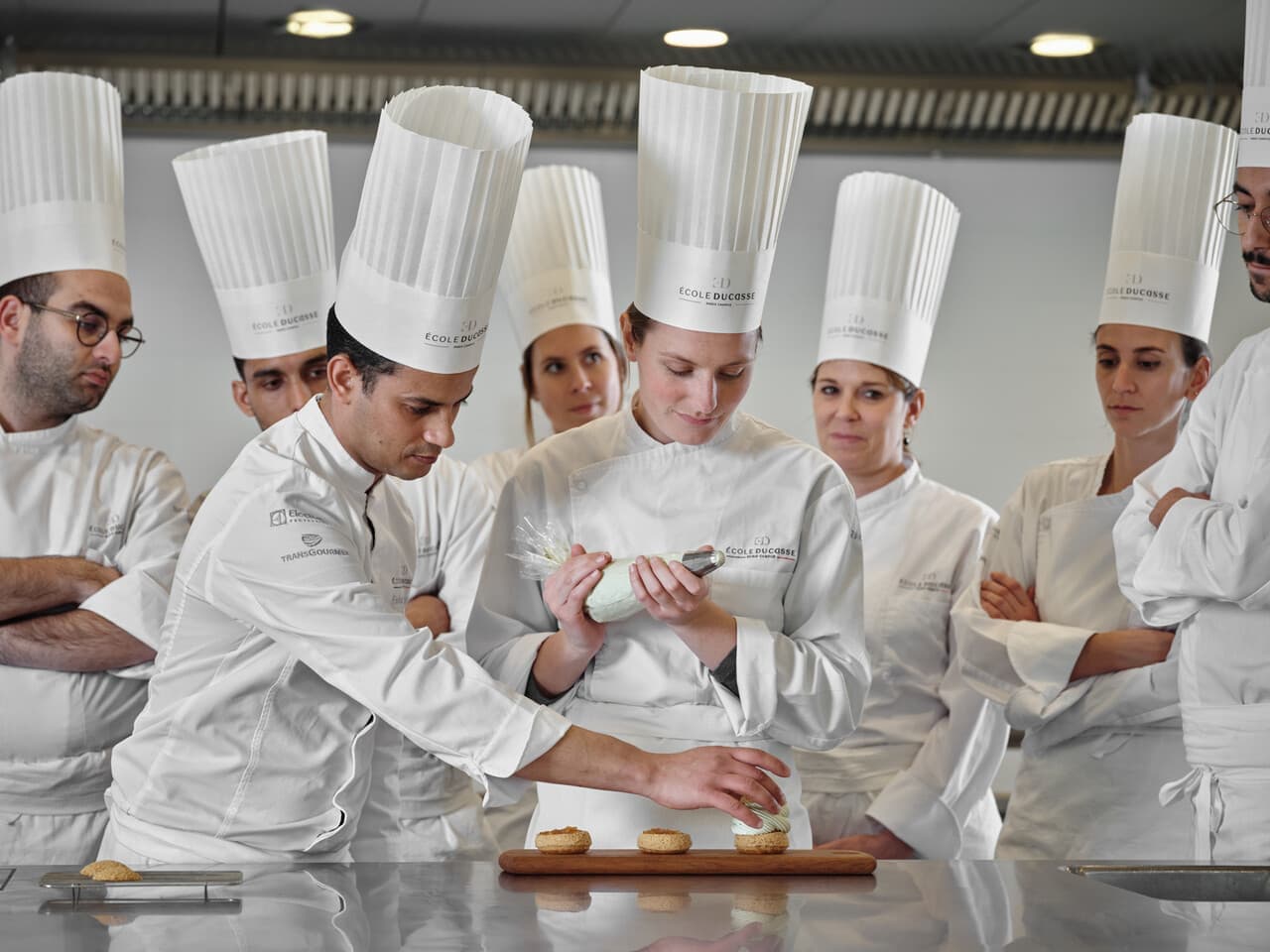
Step into a modern culinary school today and you’ll find interactive displays, connected kitchen stations and AI-powered technology labs alongside classic copper pans and sugar thermometers. These advances are reshaping how culinary techniques are taught and understood.
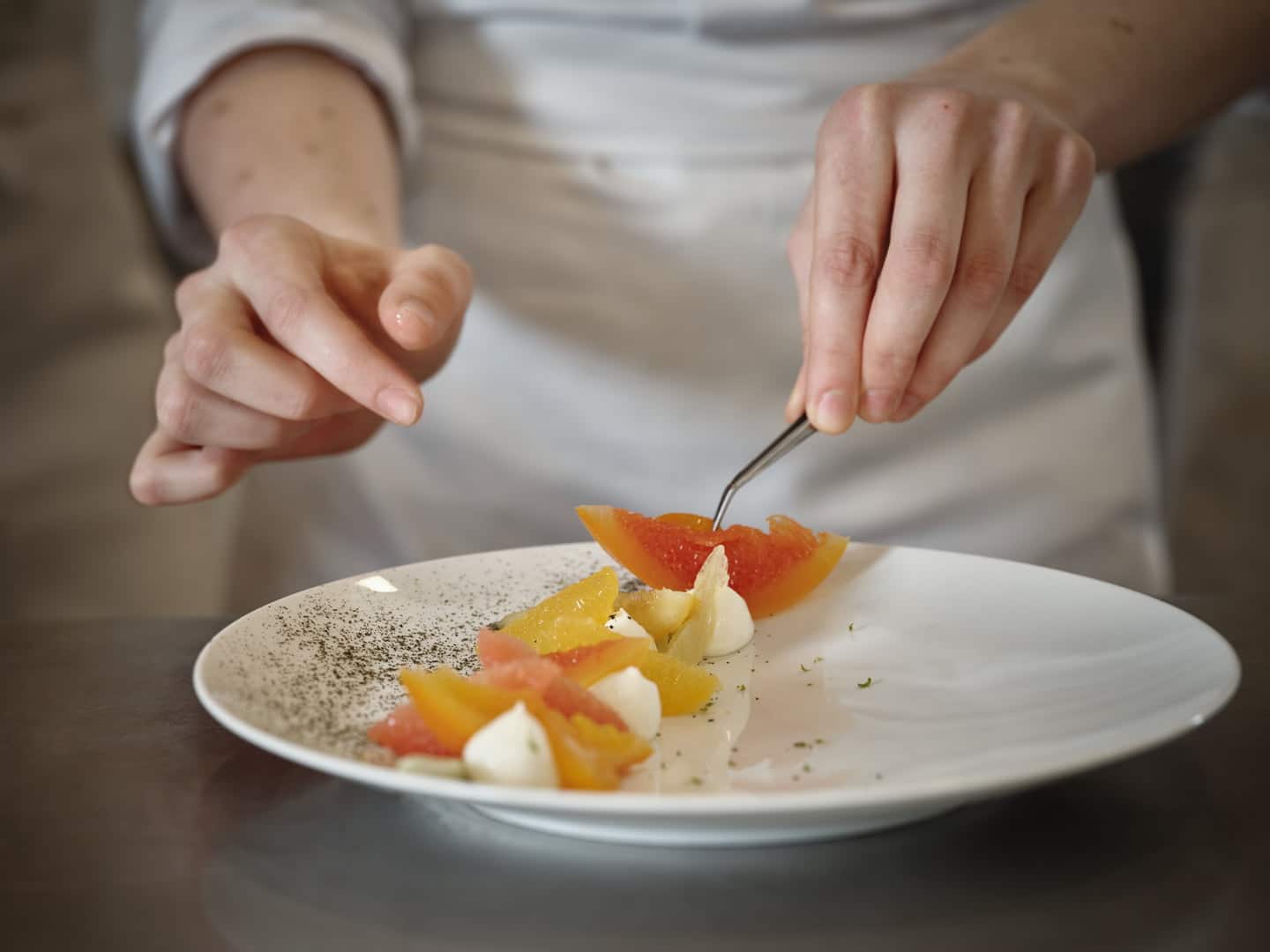
Temperature control, emulsions, knife skills, fermentation and food safety certification still demand practice, but students can now receive guidance and tips from AI assistants as well as from professional instructors. Whether troubleshooting a sauce or refining plating aesthetics for a tasting menu, they benefit from human expertise and AI insights that accelerate learning and deepen their understanding of why outcomes change.
For instructors, the shift is just as significant. Chef instructors can now analyze student progress through integrated dashboards, identify patterns across the entire kitchen brigade and intervene earlier. The combination of mentorship and technology accelerates mastery while preserving the human connection that defines culinary education.
Faster feedback, sharper instincts
In a traditional culinary arts classroom, instructors moved from station to station, offering feedback as time allowed. Now, smart tools act as a second set of eyes and ears, flagging issues the moment they occur.
Imagine the difference it can make. While practicing a hollandaise sauce in a connected culinary technology lab, sensors monitor temperature shifts at every stage, alerting students to the precise point where the emulsion risks breaking. And in baking and pastry arts training, smart proofing cabinets reveal how subtle changes in humidity affect the final crumb of a loaf.
These insights improve technique and strengthen instinct. By connecting cause and effect instantly, students can internalize food principles rather than simply memorizing recipes, which opens the door to real creativity in menu design.
Personalizing the path to success
Aspiring chefs learn at different paces. Some master knife skills quickly but need extra time perfecting pastry work, while others quickly grasp the science of cooking but struggle with timing during service.
AI-driven culinary education platforms make it easier to tailor programs to each student. By analyzing real-time data, instructors can pinpoint whether a student consistently under-seasons, overworks dough or struggles with plating presentation. This targeted approach builds mastery faster without losing the human mentorship that defines leading culinary schools.
Students graduate with refined culinary skills and the confidence to adapt to modern professional kitchens where speed, precision and creativity are all valued.
Labs that prepare students for the future
Professional kitchens are evolving quickly and culinary programs are preparing graduates to thrive in this transformed environment. Hotels and restaurants now use digital platforms to optimize menu pricing, manage energy consumption and reduce waste while aligning with sustainability goals.
Exposure to these systems during training ensures students leave culinary school with relevant work experience. Whether they aim to become executive chefs, pastry chefs, menu designers or culinary consultants, graduates enter the hospitality industry prepared for connected, data-driven kitchens.
Alongside this, many high-end hospitality venues rely on digital solutions to manage sustainability and operational efficiency, giving graduates from tech-integrated culinary programs a competitive edge.
When virtual kitchens make a real impact
Some scenarios are too expensive or risky to recreate in real life, which is why immersive technology is becoming essential in culinary training.
Through virtual reality simulations, students can experience the intensity of managing a full dinner service, coordinating plating, timing and menu execution without needing a staffed restaurant or paying guests. Augmented reality overlays offer plating instructions directly onto workstations or guide students step by step through knife techniques and food preparation.
These interactive tools complement hands-on learning, making it easier to teach complex skills such as chocolate molding, sous vide or sugar work while keeping the experience engaging and immersive.
Tradition still leads, but tech accelerates
Despite these changes, the foundations of culinary education are the same. Consistency, respect for ingredients and mastery of technique still define excellence. Technology doesn’t diminish that; it amplifies it.
The difference is speed and depth. Students can reach competence faster, absorb lessons more effectively and leave with a better understanding of why their craft works the way it does. Rather than replacing the role of chefs as mentors, these tools make their expertise go further, allowing them to focus on creativity, leadership and personal development instead of spending all their time troubleshooting mistakes.
Preparing for a more sustainable industry
Technology also helps students engage with one of the industry’s biggest challenges: sustainability. Connected kitchen tools can track energy usage, measure waste and analyze portion control. Culinary schools can now demonstrate, in real time, how small changes affect cost and environmental impact.
This awareness is becoming increasingly important as diners, employers and regulators are demanding more responsible practices. Graduates with a clear understanding of sustainable sourcing and efficient kitchen management are better equipped to succeed in an industry under growing pressure to evolve.
The human heart of a digital classroom
There’s a danger in assuming more technology means less human connection. In reality, the opposite is true when it’s used well. Data, sensors and simulations take on the repetitive burden of monitoring and measuring, freeing instructors to focus on mentorship, creativity and leadership — the things machines can’t teach.
For students, relationships with skilled chefs and peers are critical. Professional kitchens are built on collaboration, trust and adaptability, none of which can be learned from an electronic dashboard. The future of culinary education is about designing learning environments where people and technology work together.
Shaping chefs who can lead
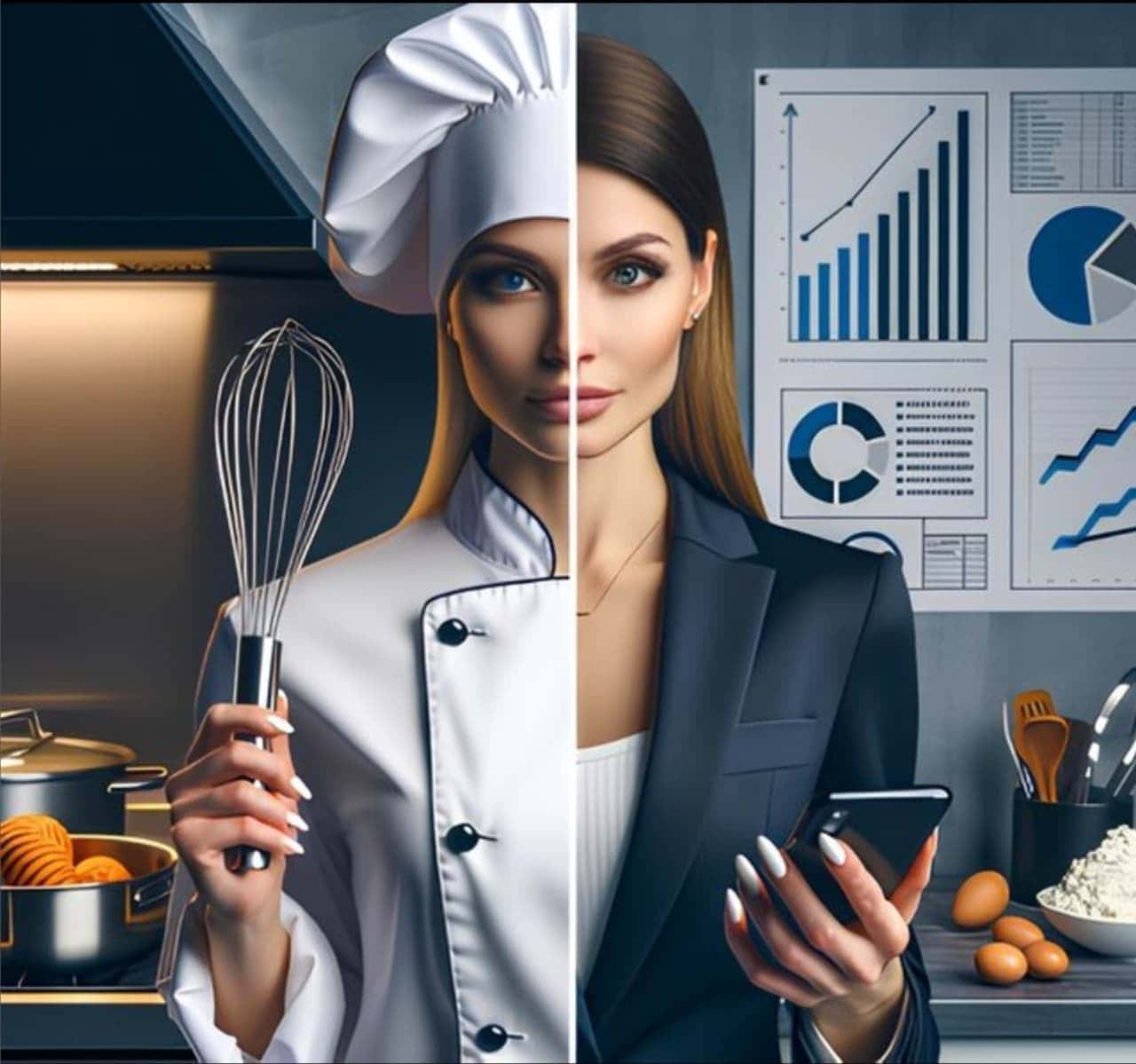
The role of a chef has always demanded leadership, but the expectations have evolved. Today’s culinary graduates need to manage diverse kitchen brigades, control costs and deliver consistent quality while working in professional kitchens that are increasingly shaped by automation and data.
Leading culinary programs now are now using kitchen management simulations and scenario-based training. Students practice making rapid decisions under time pressure, from reallocating resources during peak service to reorganizing prep schedules when delivery delays threaten service.
For example, AI-driven forecasting tools now help predict guest preferences during high-demand seasons. Aspiring chefs learn how to redesign a menu based on shifting demand or adjust production to minimize waste without compromising quality. These skills impact profitability and guest experience and are becoming an essential part of modern culinary education.
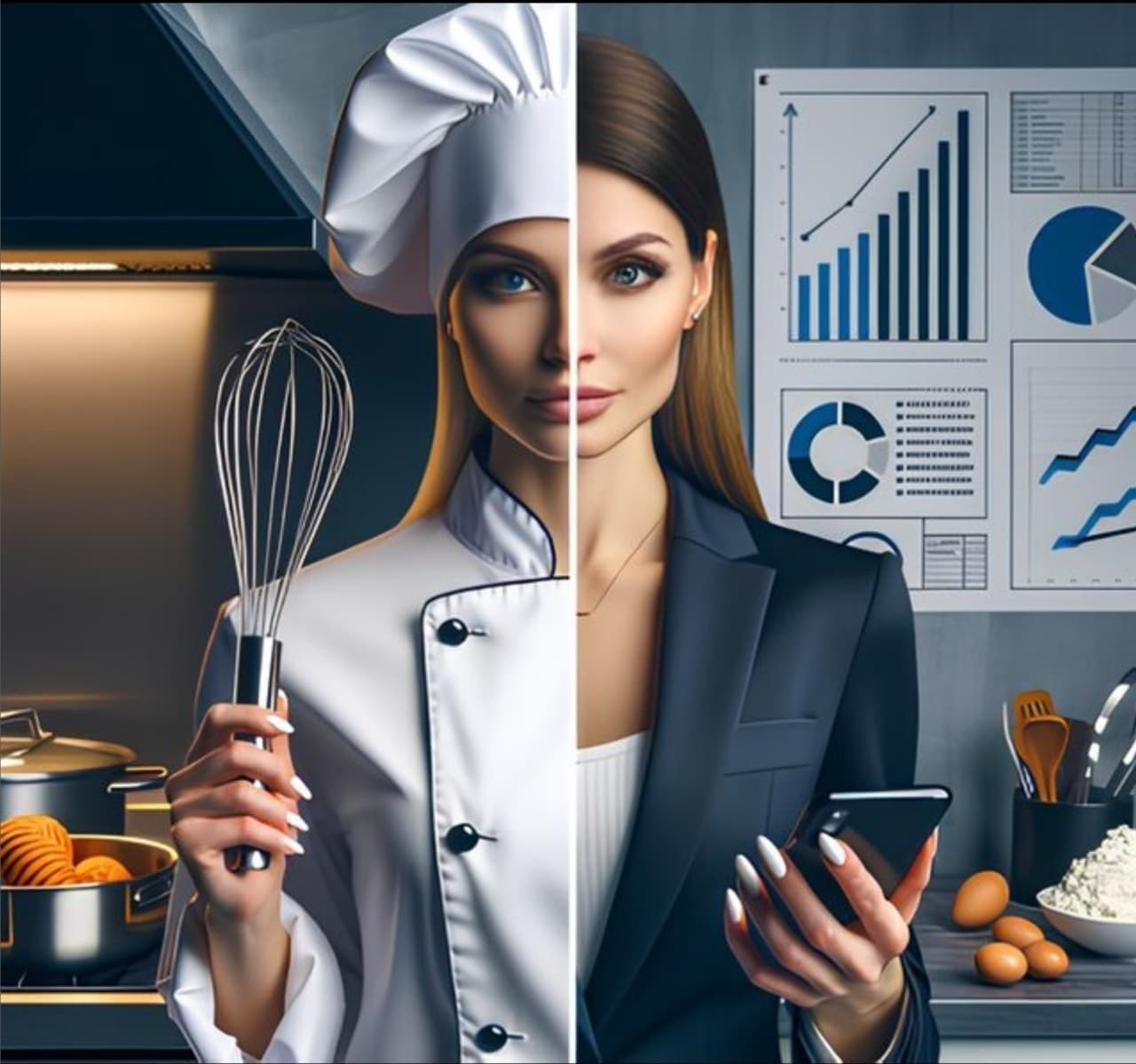
This dual focus, on creativity and operational awareness, produces skilled chefs who contribute strategically and technically. Employers increasingly value graduates who can interpret performance data, guiding teams through service challenges and broader business objectives.
Integrating entrepreneurship into the curriculum
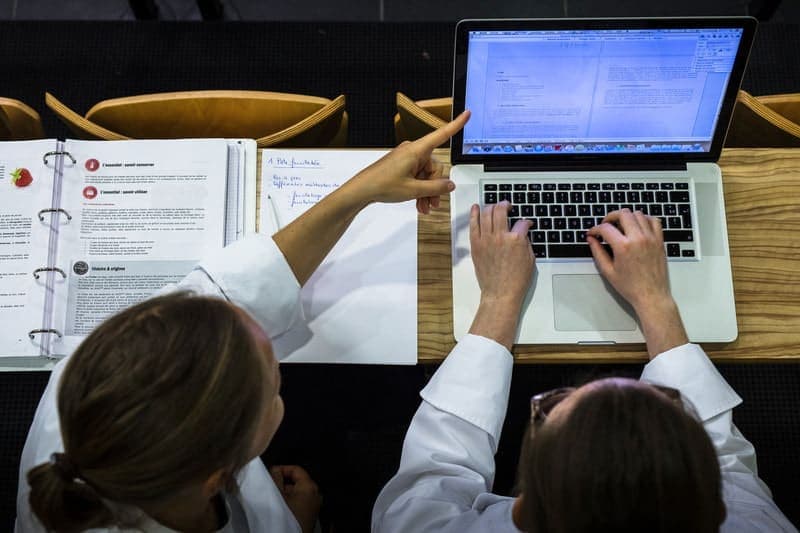
Culinary education no longer stops at kitchen mastery; it now equips graduates with the business skills to create opportunities of their own. Across leading culinary schools, food entrepreneurship modules sit alongside knife skills, pastry arts and kitchen rotations.
Students develop concepts for restaurants, pop-ups, bakeries or food brands as part of coursework. They design menus, calculate costs, model supply chains and build staffing plans, often using AI-powered tools to simulate financial planning before investing real-world resources.
The result reflects the diversification of careers in the culinary industry. Graduates are increasingly launching artisanal products, boutique consulting practices or experiential food ventures. Schools that integrate entrepreneurship prepare chefs to thrive in a market that rewards adaptability, innovation and business fluency.
Global collaboration, local expertise
Technology has also expanded the reach of the culinary classroom. Students can now learn from chef instructors and peers across continents through live-streamed workshops, shared projects and virtual masterclasses.
For example, a fermentation session might feature a Japanese expert on koji alongside a Scandinavian specialist in wild yeast, with students practicing methods in their own kitchens while exchanging feedback in real time.
Understanding the environmental and cultural context of ingredients is as important as mastering classical culinary techniques. Leading culinary programs increasingly combine global collaboration with immersive local learning, from virtual lectures with producers halfway across the world to field visits that explore seasonal sourcing and sustainability.
This balance between international exposure and place-based training helps graduates build a broader culinary identity while staying grounded in the flavors, traditions and ecosystems that shape their craft.
Building adaptability into training
Modern professional kitchens are dynamic environments and adaptability has become one of the most valuable skills for today’s chefs. Culinary schools now incorporate real-world simulations that train students to navigate unpredictability.
Students may plan a multi-course tasting menu only to be told a core ingredient is unavailable. They must redesign dishes on the spot, balancing quality, cost and creativity. These exercises teach resilience and critical thinking, two attributes essential for leading kitchen brigades in fast-paced service environments.
Technology improves these simulations by providing realistic data, from fluctuating ingredient costs to changing guest preferences. By responding to live, scenario-driven challenges, students graduate ready to make decisions under pressure while upholding high culinary standards.
Connecting with sustainability goals
Culinary education is embedding sustainability directly into training. Students use connected systems to track energy consumption, water usage and food waste, seeing in real time how minor adjustments, from optimizing batch sizes to rethinking storage, impact costs and environmental outcomes.
Some programs integrate emerging topics such as alternative proteins and regenerative agriculture, while others explore sustainable fisheries and zero-waste kitchen practices as well. With AI-enabled supply chain platforms, learners assess ingredient sourcing from financial and ecological perspectives.
This integration helps equip graduates with a sustainability mindset that is increasingly valued by employers, regulators and consumers alike.
Human mentorship remains at the core
Even as technology reshapes culinary education, the heart of training remains mentorship. Machines can measure, simulate and track, but they cannot replicate the intuition and trust built between students and chef instructors.
Mentorship thrives when technology complements it. Instructors may analyze plating through video playback or guide students through delicate pastry adjustments using live sensor data, but final mastery comes through conversation, demonstration and practice.
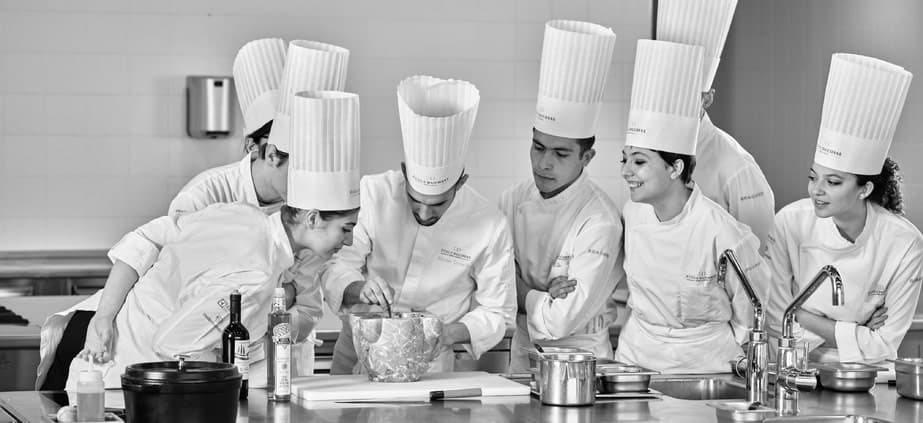
Peer-to-peer collaboration is also vital. Sharing mistakes, swapping techniques and enduring long kitchen hours together build a sense of community that no platform can replicate. Technology accelerates knowledge transfer but does not replace the relationships that define the culinary profession.
Preparing graduates for evolving roles
Culinary careers now span a wider spectrum than ever. While many graduates enter high-end kitchens as chefs de partie or sous chefs, others pursue roles in food technology, media, research, product development and sustainability consulting.
To prepare students for this variety, schools partner with industry leaders for guest lectures, collaborative projects and externships. Exposure to innovation hubs, research labs and hospitality groups experimenting with new formats helps learners envision diverse career paths beyond the traditional hierarchy.
Graduates leave with an understanding of the operational, cultural and technological shifts shaping the global culinary industry, making them highly adaptable as opportunities evolve.
The future of culinary education
AI and connected tools are transforming how aspiring professionals learn, practice and connect with the culinary world. Yet the foundations remain unchanged: understanding ingredients, mastering techniques and developing a personal voice. The difference lies in how culinary programs combine classical French training with digital fluency to prepare graduates for professional kitchens that are shaped by sustainability, innovation and data.
The chefs who thrive will be those who can honor tradition while embracing change, leading teams, interpreting insights and crafting dining experiences that balance creativity with business acumen.