Specialization creates authority, builds recognition and opens doors to opportunities that range from fine dining and sustainable gastronomy to entrepreneurship and innovation labs.
The challenge is deciding which specialization fits your ambition. Should you commit to French gastronomy, explore haute couture cuisine or follow the growing movement toward natural and sustainable practices? This article shows how the right culinary arts degree can guide that choice and prepare you to succeed in whichever path you pursue.
Why culinary specializations matter
As diners seek healthier, sustainable and more creative food experiences, chefs who focus on a defined path advance faster than those who try to cover everything. Specialization allows them to build expertise, credibility and recognition that translate directly into career growth.
The benefits of choosing a culinary niche include:
- Industry demand: chefs trained in natural and sustainable cuisine are increasingly sought after by restaurants and hotels adapting to environmentally conscious dining
- Creative identity: specializing in haute couture cuisine or bistronomy helps chefs develop a signature style that distinguishes their work in competitive markets
- Operational advantage: those who choose restaurant management or food entrepreneurship learn how to turn creativity into profitable business models
- Global relevance: specializations rooted in French gastronomy carry international prestige, giving graduates authority that employers and diners immediately recognize
At leading institutions, specialization is not an afterthought. In France, culinary schools such as École Ducasse weave these focus areas into daily training. Students are guided to experiment broadly, but also to refine distinct strengths that shape long-term careers.
French gastronomy: timeless techniques, modern interpretations
Some of the most enduring lessons in culinary education come from France, where classical methods have shaped fine dining for centuries and continue to influence modern kitchens around the world. At École Ducasse, students learn to respect this heritage while also adapting it to today’s expectations of accessibility, creativity and sustainability. Guided by Michelin-starred chefs, training balances rigorous tradition with forward-looking interpretation.
The curriculum covers four areas:
- Classic haute cuisine: students practice the refined structures involved in French gastronomy, from the five mother sauces to intricate stocks and delicate plating. Each repetition strengthens precision and builds professional discipline
- Bistronomy: the program also highlights how excellence can translate into accessible formats. Students learn to deliver elevated flavor in casual dining settings, adapting classic methods without losing authenticity
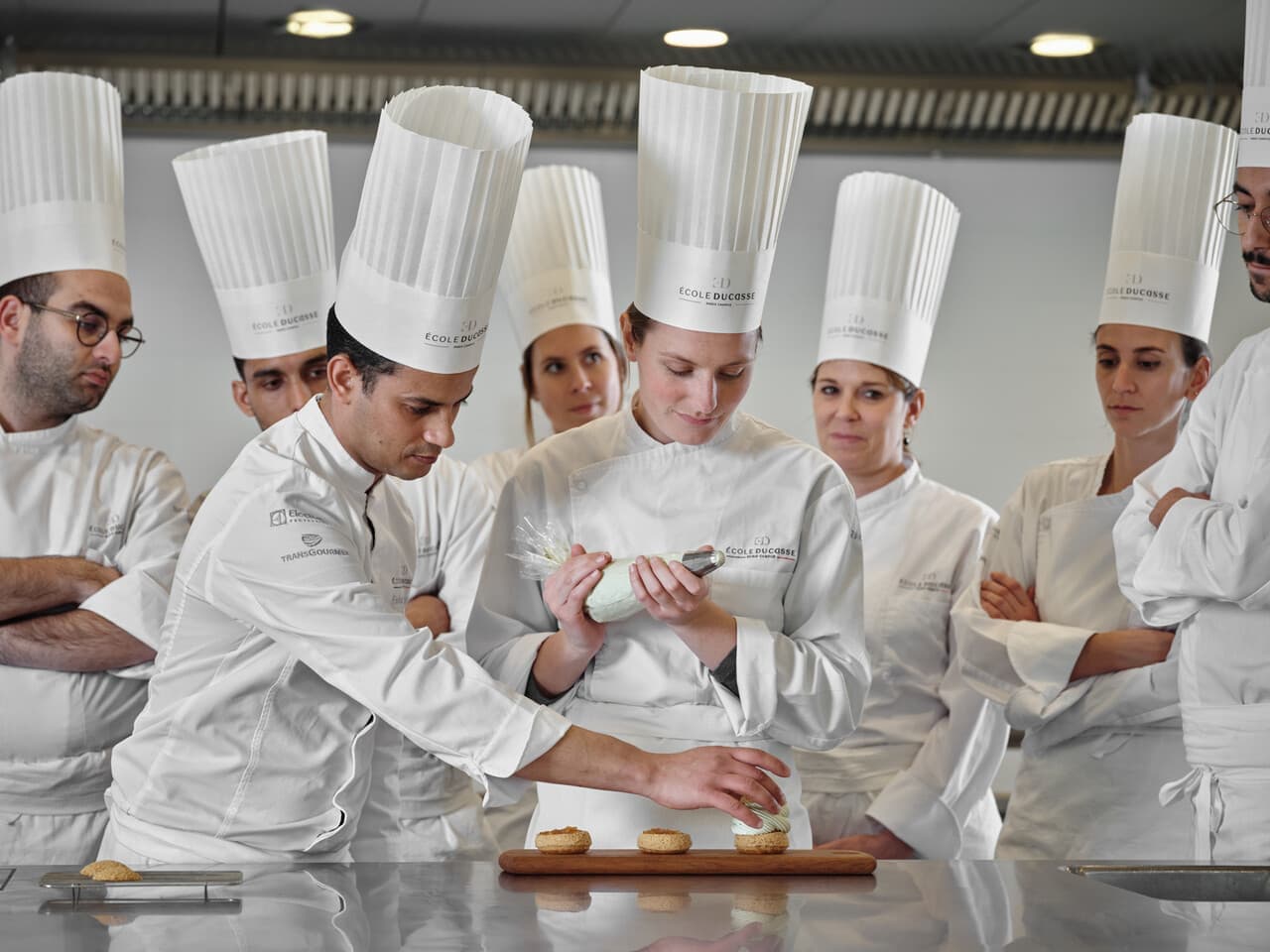
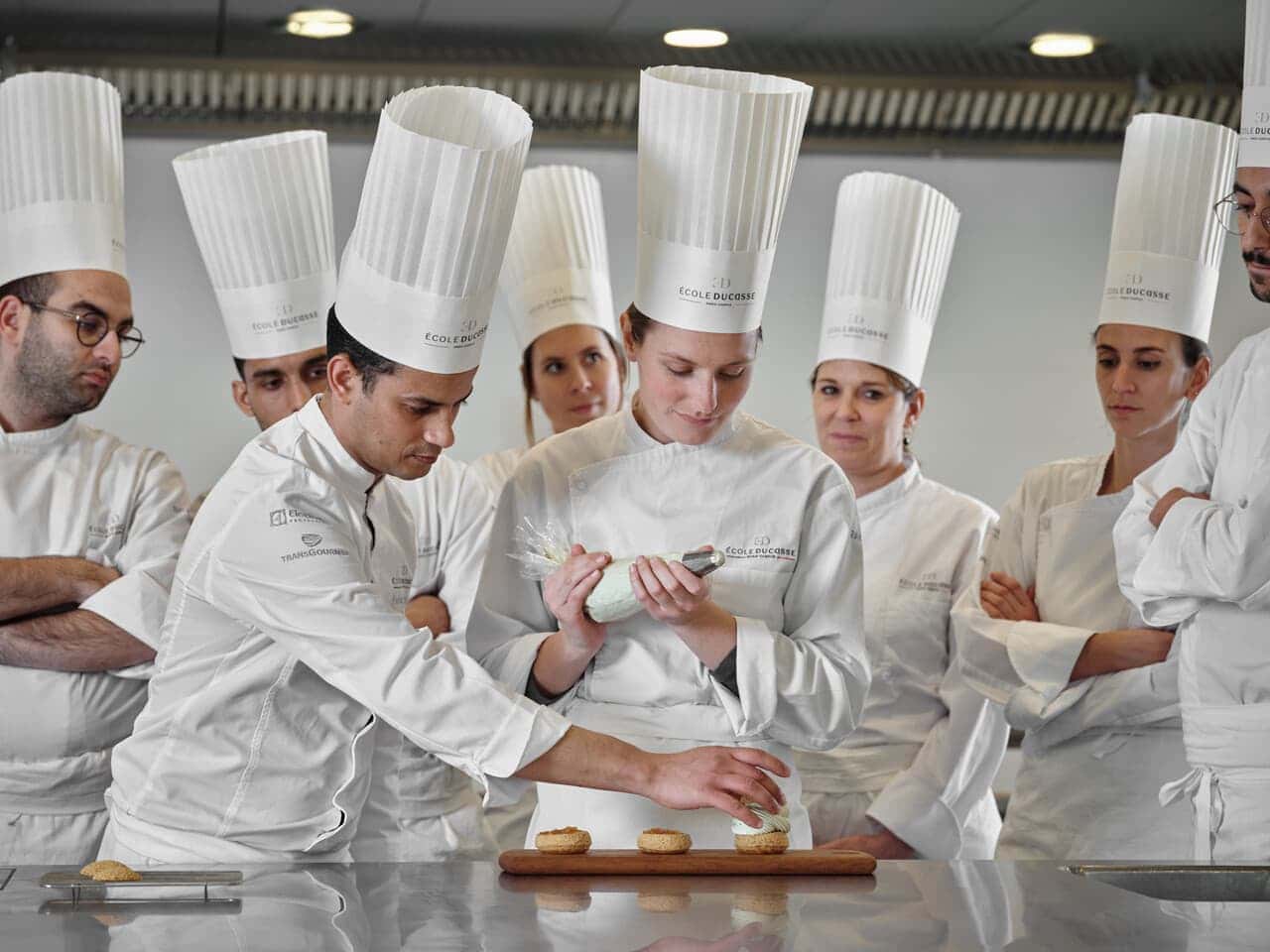
- Mentorship from masters: instructors demonstrate and correct in real time, ensuring students understand how to apply French cooking techniques to heritage dishes and contemporary creations
- Innovation through tradition: instead of treating heritage as a rigid framework, students are encouraged to use it as a platform for reinvention, refining dishes with seasonal ingredients, lighter preparations and modern presentation styles
Through this combined approach, students gain the technical foundation of centuries-old practices and the creativity to reinterpret them for today’s diverse dining culture.
Natural and sustainable cuisine
Across the modern dining landscape, responsibility has become as important as flavor. Guests are looking for chefs who can design menus that reflect authenticity, health awareness and environmental respect. In a structured culinary education, this is treated as philosophy and technique.
Training in this specialization focuses on four main areas:
- Farm-to-table sourcing: students work directly with local producers, learning how to evaluate quality at markets and adapt menus to seasonal availability. The process builds respect for provenance while ensuring dishes remain fresh, relevant and cost-effective
- Waste reduction: instead of discarding trimmings, bones and vegetable peels, students transform them into stocks, sauces or garnishes. These practices reduce waste while sharpening creativity, turning every part of an ingredient into an opportunity for flavor
- Health-conscious design: modules explore how to create plant-forward recipes that balance nutrition with culinary pleasure. Chefs are challenged to meet modern expectations for wellness while retaining the richness and satisfaction of fine dining
- Scientific application: understanding the science of cooking enables students to refine these sustainable practices. From caramelization that deepens flavor to fermentation that layers complexity, chefs learn how chemistry supports consistency even as menus change according to seasonal and ethical demands
By connecting sustainability with technical mastery, this path equips future professionals to innovate responsibly, preparing them for leadership in fine dining, boutique restaurants and forward-thinking hospitality groups.
Haute couture cuisine and bistronomy
Students who choose to specialize in gastronomy can follow two distinct but equally rewarding paths. One is rooted in refinement and exclusivity, the other in accessibility and cultural energy. Both require technical precision, yet they lead careers in very different directions.
The artistry of haute couture cuisine
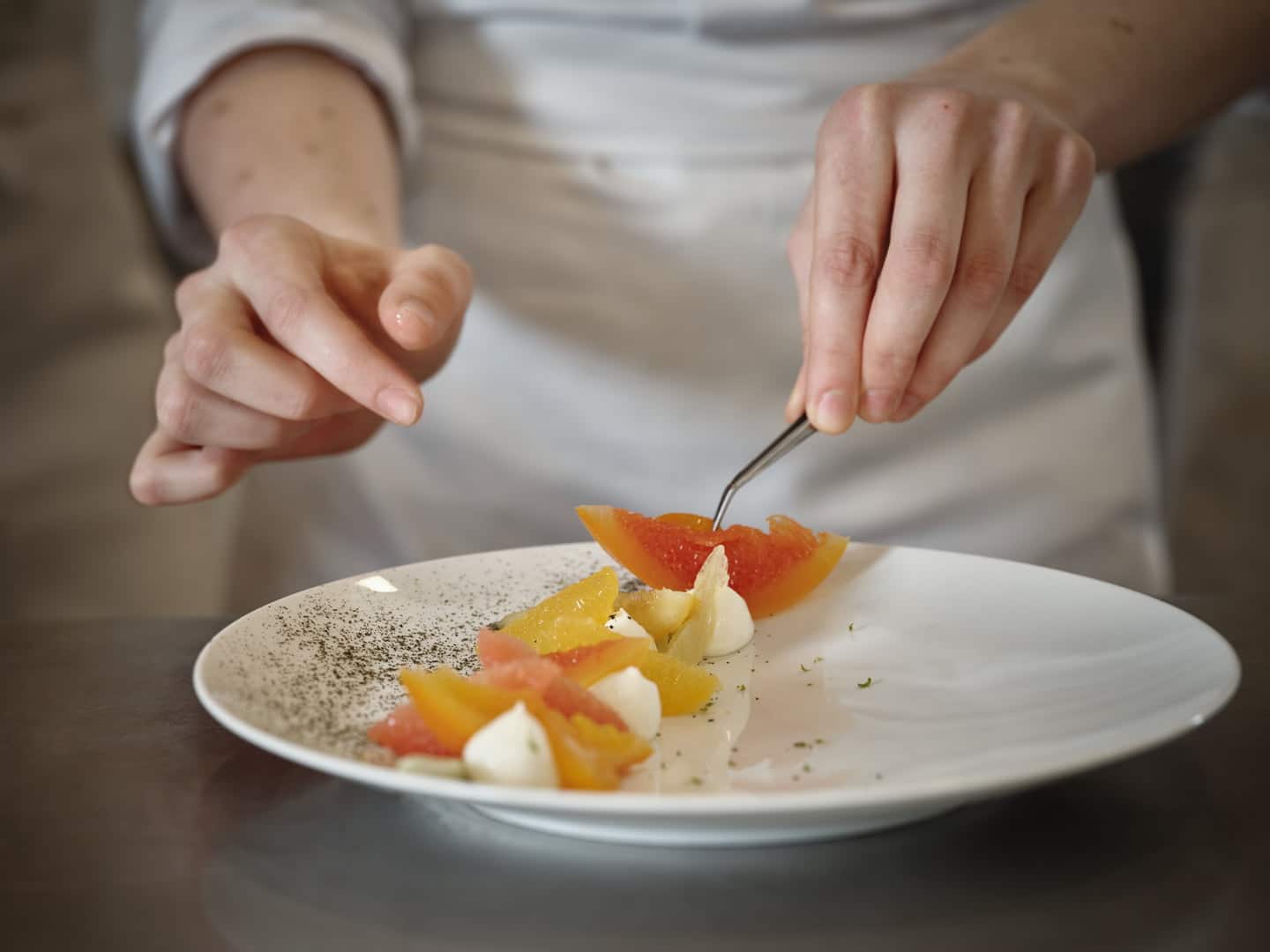
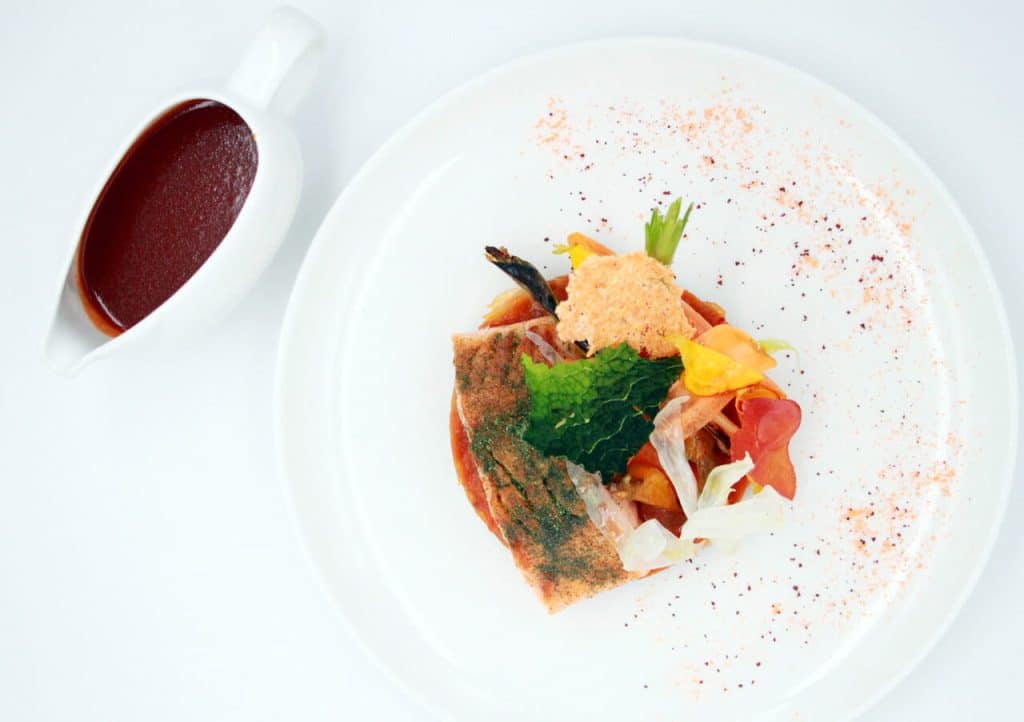
This niche treats the dining table as a stage for creativity. Every plate is an expression of craft, where the smallest detail such as the clarity of a consommé, the gloss of a sauce and the structure of a garnish, carries weight. Training at this level leads to opportunities in top-tier restaurants and luxury hotels. For chefs aiming to build reputations on innovation and elegance, haute couture cuisine offers a gateway to global recognition.
The energy of bistronomy
By contrast, this specialization thrives on making high-quality cuisine accessible. It preserves the rigor of French technique while presenting it in informal settings for a wider audience. Bistronomy is less about formality and more about bold flavors, seasonal creativity and affordable pricing. It has grown into a global movement, opening pathways for chefs who want to balance refinement with everyday culture.
Whichever path students follow, they commit to a discipline that merges technique with vision. Haute couture cuisine and bistronomy demand dedication, resilience and a spirit of creativity. The choice is not about which is superior, but about aligning personal ambition with the type of impact a chef wants to have.
Entrepreneurship and culinary innovation
For many students, the ultimate goal is creating their own concepts. Specialization can be the cornerstone of food entrepreneurship, whether that means launching boutique restaurants, developing artisanal food brands or designing private dining experiences.
École Ducasse integrates practical modules that connect creative vision with business planning. Students learn how to start a restaurant, draft menus that balance profitability with originality and refine their business communication skills to inspire teams and investors alike. This mix of creativity and strategy ensures graduates are equipped to transform ideas into ventures that stand out in competitive markets.
Training for your niche at École Ducasse
Rather than being an optional extra, specialization sits at the heart of the École Ducasse programs, shaping how students progress. From the first year of the Bachelor in Culinary Arts, students are guided to explore broad culinary foundations before narrowing their focus toward niches that align with their ambitions.
The approach combines several elements that prepare each student for their chosen culinary niche:
Integrated niche modules
Instead of teaching skills in isolation, the curriculum weaves niche exposure into daily training. Classical French modules sit side by side with courses on sustainable cuisine and bistronomy. This structure helps students understand the full landscape of gastronomy while giving them room to refine their personal culinary niche.
Workshops and masterclasses
Beyond core classes, the program provides opportunities to learn through specialized workshops. These short, intensive sessions dive into themes such as haute couture cuisine, natural and sustainable gastronomy or pastry artistry. Many are led by visiting chefs with Michelin-starred backgrounds, giving students direct insight into the practices shaping global dining.
Hands-on labs and innovation spaces
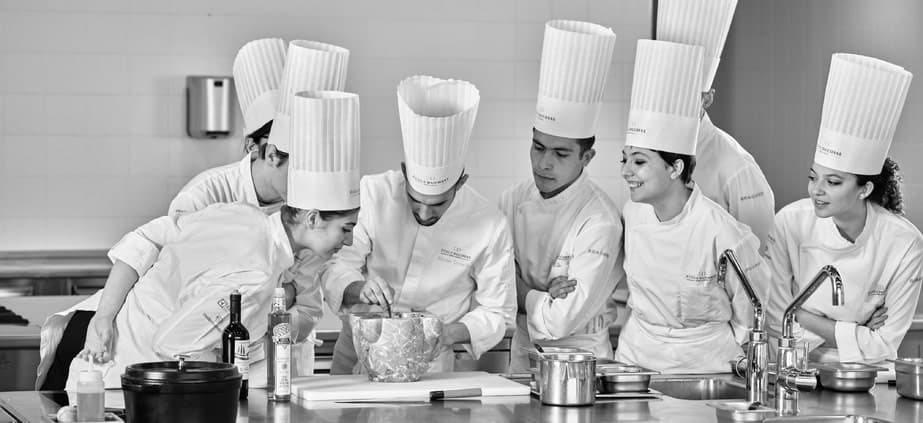
Students also gain access to commercial-grade training kitchens and state-of-the-art research and development facilities. These spaces replicate the pace of real service while allowing experimentation under professional guidance. Whether testing plating ideas, practicing advanced French cooking techniques or developing plant-forward recipes, the labs create an environment where mistakes become lessons and creativity is encouraged.
Mentorship and real-world immersion
Training goes beyond the campus. Chef mentors track student progress individually, providing feedback that sharpens technique and builds confidence. Structured student internships place learners in restaurants, hotels and patisseries where they work alongside seasoned professionals. This exposure helps students test their interests, refine their abilities and commit to a culinary career path that matches personal passion and global demand.
Building your culinary future
Defining a niche gives you the leverage to stand out in an industry that rewards specific expertise. Instead of limiting options, it opens pathways, from haute cuisine and sustainable dining to entrepreneurial ventures and leadership in global hospitality. A focused direction builds credibility and ensures your talent is recognized for the impact it creates.
With École Ducasse, specialization is woven into every stage of training. Through the culinary arts degree, you gain essential skills, a professional network and the ability to transform your chosen niche into a distinct career advantage.
The decision rests with you: stay general and undefined or shape a future where your expertise carries authority. Choosing your culinary niche today means investing in the clarity and recognition that will define your place in tomorrow’s kitchens.