Yet many successful chefs began exactly where you are now, with no background beyond a passion for food and a curiosity about the craft.
The path into professional cooking today is more structured and accessible than ever. Training programs designed for complete beginners combine classical technique with modern kitchen skills, and pair this with mentorship from experienced chefs. With the right mindset and a clear learning pathway, it’s entirely possible to build a chef career from scratch.
Starting your culinary journey from the ground up
If you’re entering the culinary world later in life or from a completely different background, you’re in good company. What sets successful beginners apart is less about previous experience and more about their approach:
- Curiosity drives experimentation and learning from mistakes
- Patience allows repetition until techniques feel natural
- Adaptability makes it easier to learn in real-world kitchen environments
Structured training plays a key role here. Without guidance, beginners often spend years developing habits that later need to be unlearned. Programs designed for newcomers provide a foundation of good technique, industry knowledge and practical exposure from the outset.
For an overview of different entry points into the profession, see this chef career guide.
Explore beginner‑friendly chef training options
If you want to turn ambition into action, it’s worth understanding the different pathways available:
Types of culinary programs
- Short courses: perfect for testing your interest or sharpening a specific skill
- Professional diplomas: focused programs covering kitchen fundamentals and real‑world application
- Bachelor’s degrees: comprehensive programs combining French culinary techniques, business management and hands‑on internships
Modern culinary education blends classical training with emerging priorities like sustainability, creativity and entrepreneurship. Many programs also integrate exposure to French cooking techniques while encouraging students to develop their own culinary voice.
Crucially, these programs are built for learners starting from scratch. You’ll train in professional-standard kitchens, gain insights into food science and work alongside experienced chefs who coach technique in real time.
Building core culinary skills from day one
For anyone starting a culinary career with no experience, the first step is learning the fundamentals. Before stepping into leadership roles like chef de partie or sous chef, you need a strong foundation in the techniques that underpin all great cooking.
Beginner-friendly culinary arts programs are designed to make these skills accessible. Training starts with knife techniques, mise en place organization and the science behind heat control and food preparation. You’ll learn how to balance acidity, seasoning, texture and aroma while developing an understanding of menu planning and how flavors work together.
Structured culinary education gives aspiring chefs the confidence to perform in professional kitchens. Certified programs follow recognized accreditation standards, ensuring you leave with qualifications valued across the food industry.
Technology now supports this process too. Sensor-equipped cooktops, smart thermometers and connected kitchen displays make it easier to visualize techniques and understand cause and effect.
For a deeper look at how culinary techniques form the foundation of advanced cooking, explore this science of cooking guide or read more about essential chef skills.
Learning through mentorship and collaboration
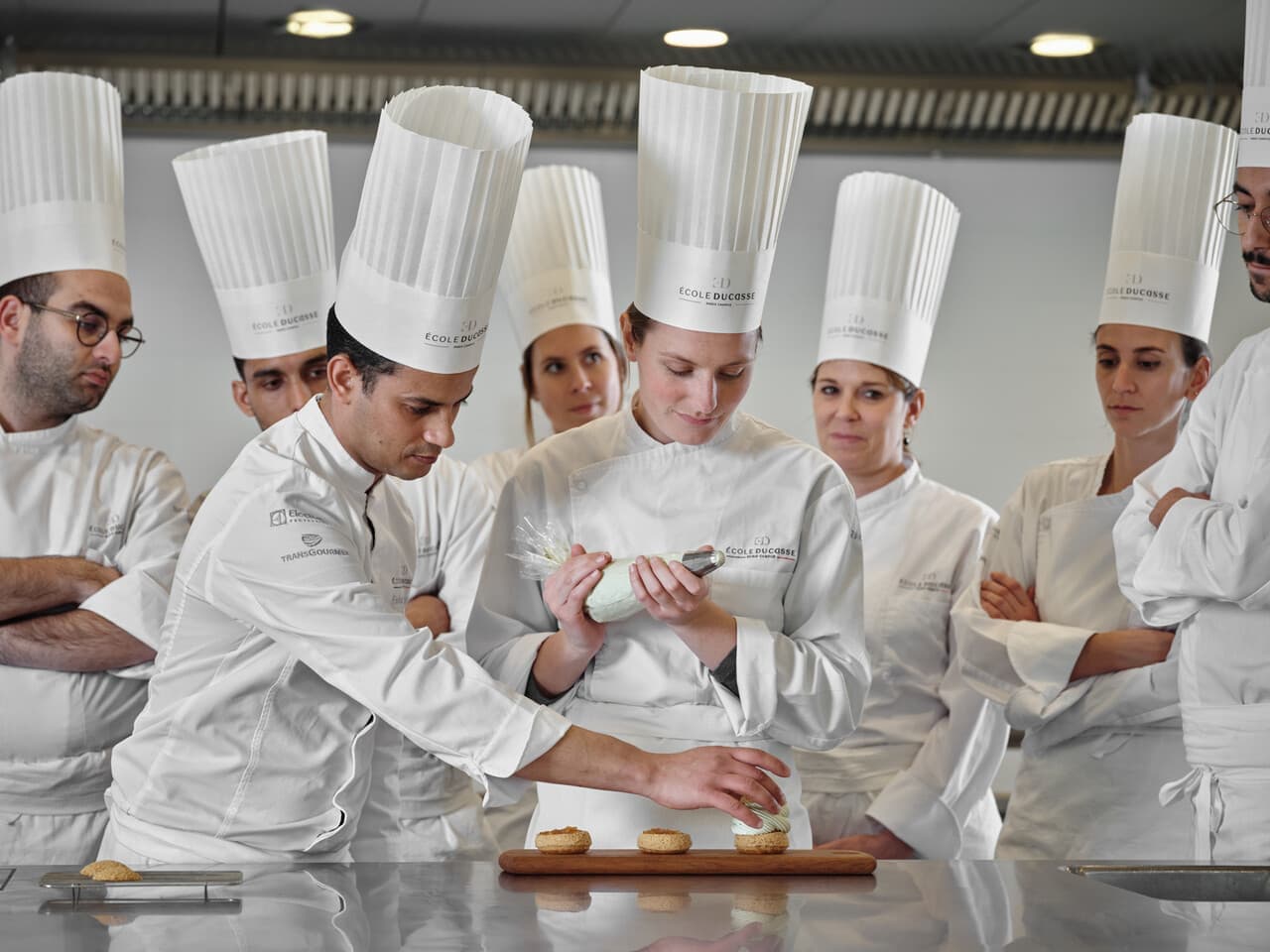
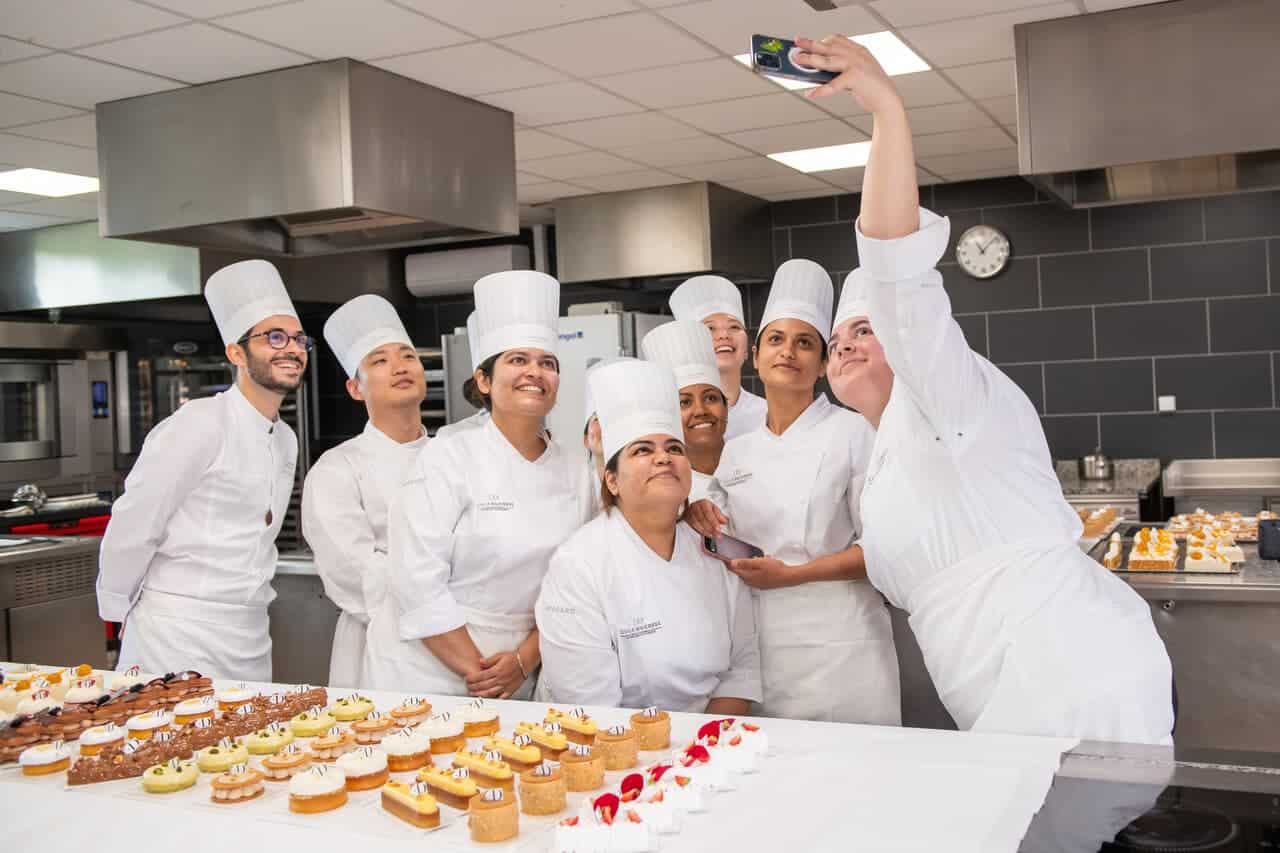
In culinary school, training kitchens serve as collaborative spaces where learning occurs through interactions with both mentors and peers. Structured programs create an environment where knowledge is passed from person to person, just as it happens in professional kitchens.
Students build skills in several ways:
- Mentorship: chefs demonstrate techniques and guide students through repetition until the skills become second nature
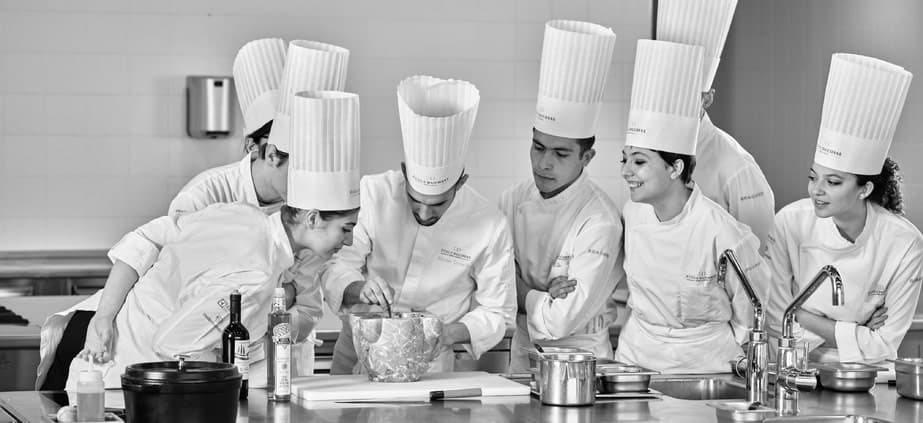
- Peer learning: observing, sharing insights and correcting mistakes together accelerates progress
- Teamwork: working in groups develops communication, adaptability and time management
Training often mirrors the kitchen brigade structure used in restaurants, giving students early exposure to roles such as commis chef, chef de partie and sous-chef de cuisine. Understanding this hierarchy builds awareness of workflows and service expectations.
Equally important, chef instructors bring lived experience from the hospitality industry. They prepare students for the realities of high-pressure kitchens, teaching how to stay composed, adapt quickly and maintain quality when demands shift.
Entry-level culinary roles and hands-on exposure
Structured training makes it easier to move from the classroom into the workplace. Many culinary schools integrate externships, apprenticeships or on-site placements in working restaurants, bakeries and hotels, giving students real kitchen experience from day one.
Typical entry-level roles include:
- Commis chef: supporting prep work, organizing ingredients and assisting senior chefs
- Prep cook: developing speed, efficiency and consistency across repetitive tasks
- Assistant baker: focusing on timing, temperature and precision within pastry environments
These placements allow students to build networks, refine their technique and understand professional kitchen standards.
From training to starting a business
Culinary education extends beyond mastering knife skills and classic culinary techniques, with many programs now integrating entrepreneurship modules to prepare students for leadership roles, business ownership or management positions within the hospitality industry.
Students gain practical business experience by working on live projects throughout their training:
- Developing restaurant or pop-up concepts
- Designing menus that balance creativity, cost control and customer expectations
- Building financial plans that factor in staffing, food service safety, sourcing strategies and food hygiene
- Exploring branding, digital marketing and positioning in a competitive culinary landscape
Some programs even introduce AI-powered simulations that model real-world business scenarios. These allow students to test ideas and understand how decisions affect margins, food cost and sustainability before investing in actual ventures. By combining business and technical skills, graduates leave better equipped to launch their own restaurants, bakeries or culinary brands.
For more on launching your own venture, explore guides on food entrepreneurship and how to start a restaurant.
Career progression and specializations
Culinary careers follow many paths. Some graduates start as commis chefs and work their way through the kitchen brigade structure, progressing to chef de partie, then sous chef and eventually to executive chef or head chef roles. Each stage builds on culinary techniques and leadership skills:
- Chef de partie: leads a specific kitchen station, mastering advanced methods and menu planning
- Sous chef: manages operations, coordinates the team and ensures food service safety
- Executive chef or head chef: oversees menus, strategy, budgets and overall restaurant management
Others choose to specialize early through focused culinary arts programs:
- Pastry arts: precision-driven training in chocolate molding, sugar work and wedding cake design
- Sustainable cuisine: working with regenerative agriculture, zero-waste practices and ethical sourcing
- Haute gastronomy: pushing innovation at the highest levels of fine dining
- Molecular gastronomy: exploring techniques like sous vide cooking, spherification and plating aesthetics
Formal qualifications like the Grand Diplôme®, Diplôme de Cuisine, Diplôme de Pâtisserie or Diplôme de Boulangerie are highly respected globally, whether you train in Paris, New England or at renowned culinary institutes like Ecole Ducasse.
Lifelong learning and professional development
The culinary profession is constantly evolving, shaped by changing guest expectations, sustainability trends and technological innovation. Successful chefs treat learning as an ongoing process, refreshing their expertise throughout their careers.
Professional development options include:
- Advanced diplomas in pastry education, chocolate artistry or contemporary gastronomy
- Short, intensive workshops on emerging food trends or international cuisines
- Cross-disciplinary programs combining restaurant management, wine studies or food styling
- ACF certification or ServSafe certification to demonstrate industry-recognized food safety and sanitation standards
Structured training also connects you to a global alumni network and professional organizations like the American Culinary Federation, providing access to conferences, industry events and mentorship opportunities long after graduation.
Building leadership skills in professional kitchens
Today’s chefs need to inspire teams, control costs and maintain food safety standards while balancing creativity with operational performance.
Culinary programs prepare students to lead by simulating high-pressure environments:
- Managing team dynamics and mentoring colleagues
- Streamlining workflows across prep, service and clean-down
- Overseeing food sanitation procedures and compliance with safety certifications
- Making quick decisions when ingredients run short or menus need adjustment
By the time students graduate, they understand the artistry and business of food while also possessing the leadership skills needed to guide teams and communicate effectively. This combination makes them highly valued across the food service industry.

Expanding your network and industry exposure
Breaking into the culinary world becomes easier when you have direct access to industry professionals. Many culinary school programs integrate structured opportunities for networking and work experience, including:
- Internships and externships in restaurants, hotels and catering companies
- Guest lectures from Michelin-starred chefs, chef instructors and industry innovators
- Participation in culinary competitions and international workshops
- Exposure to suppliers, food companies and hospitality groups shaping global gastronomy
These experiences connect students with potential employers and collaborators, while also providing valuable insights into trends shaping the future of the hospitality industry.
Connecting global perspectives with local roots
Culinary education today combines international cuisines with a deep understanding of local ingredients and traditions. Programs increasingly integrate:
- Global masterclasses: live-streamed sessions with chefs from diverse food cultures
- Virtual collaboration: students across continents working together on menu design or recipe demonstrations
- Local immersion: field trips to farms, producers and markets to study seasonal sourcing and sustainability
This dual perspective allows graduates to develop a unique culinary identity, grounded in local flavors yet enriched by global influences, a quality highly valued by food companies and diners alike.
The future of culinary careers
The fundamentals of the culinary arts remain timeless: understanding ingredients, mastering techniques and crafting memorable dining experiences. However, technology is reshaping how chefs learn and work.
A 2025 Deloitte survey on the use of AI in restaurants found that restaurants now use digital tools to track guest preferences, manage menu planning and reduce food waste. Training that integrates these systems prepares students to lead in kitchens where creativity and data increasingly go hand in hand.
Whether your ambition is to become an executive chef, run your own bakery, work in fine dining or explore molecular gastronomy, tomorrow’s leaders will need both timeless culinary fundamentals and the confidence to innovate with new technologies. Structured education accelerates that journey.
Bringing it all together
Pursuing a career in the culinary arts as a beginner can feel daunting, but with the right culinary program, mentorship and hands-on training, it’s entirely achievable. Structured pathways provide a safe space to build confidence, develop core kitchen skills and gain work experience before stepping into the industry.
From perfecting knife skills and plating aesthetics to mastering pastry arts, food safety and restaurant management, students leave prepared for careers that can take many forms, from high-end kitchens to innovative food startups.
With a global alumni network, strong industry partnerships and exposure to real-world kitchens, a culinary education equips you to turn passion into profession and succeed in an evolving, competitive food industry.