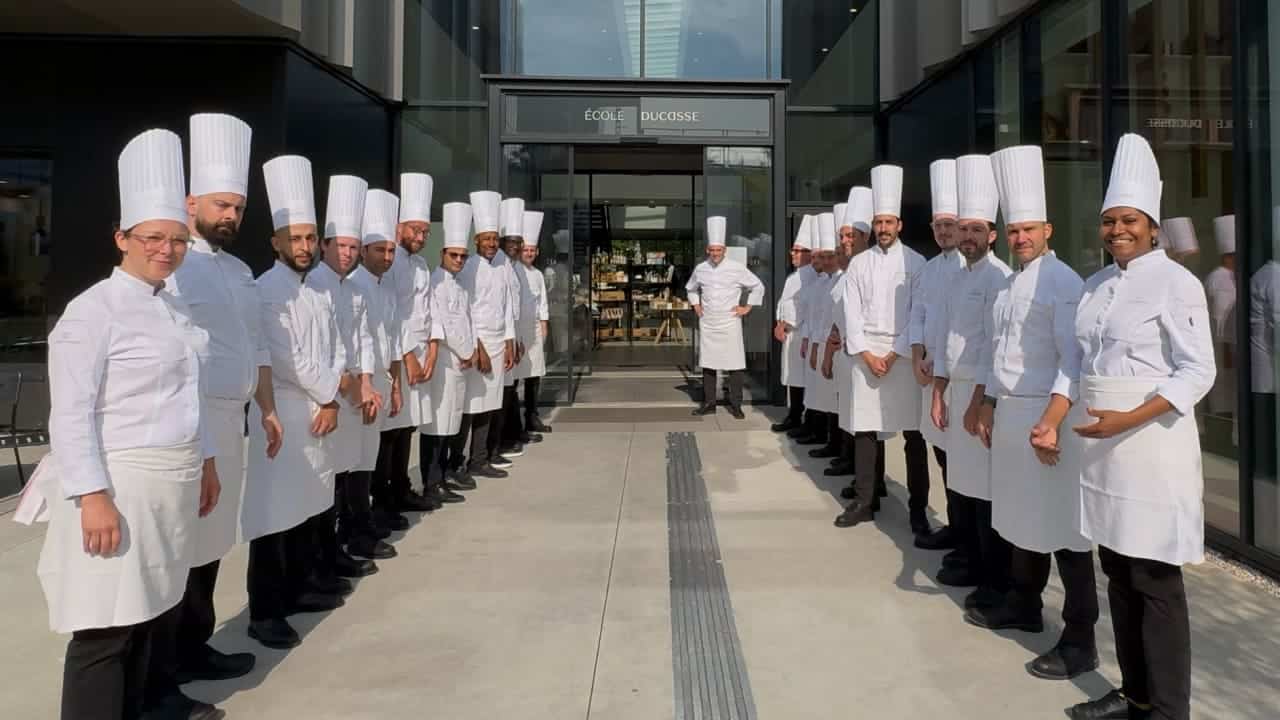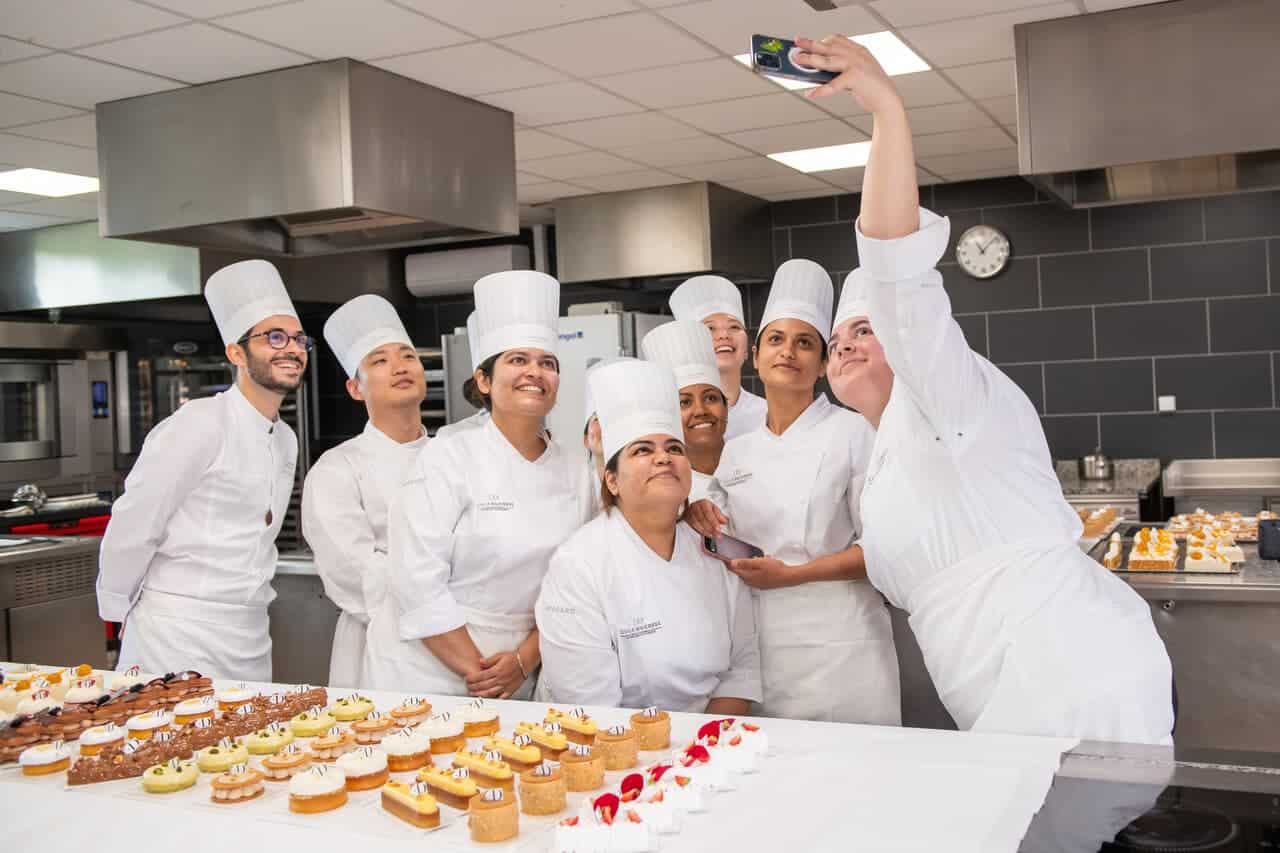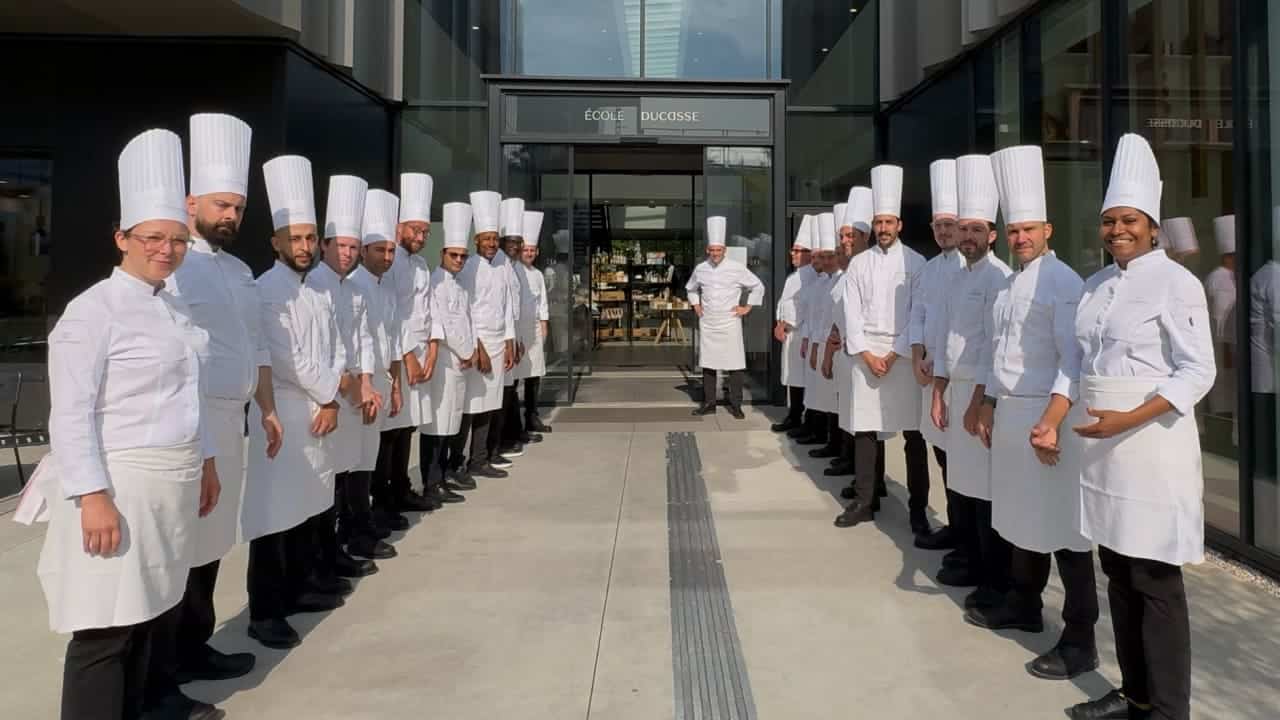
You picture the early mornings, the pressure of service simulations and the thrill of finally plating something that earns a chef’s nod of approval, but what actually happens behind those doors?
Choosing to become a culinary student is a significant commitment that involves rigorous training schedules, intensive skill development and immersion in a professional kitchen culture, all of which demands physical stamina and mental resilience.
If you are weighing the leap into culinary education in France, this guide pulls back the curtain. From the rhythm of training kitchens to the culture of a Paris culinary campus, you’ll see how daily routines, mentorship and real-world experience prepare students for careers that thrive long after graduation.
A day in the life of a culinary student
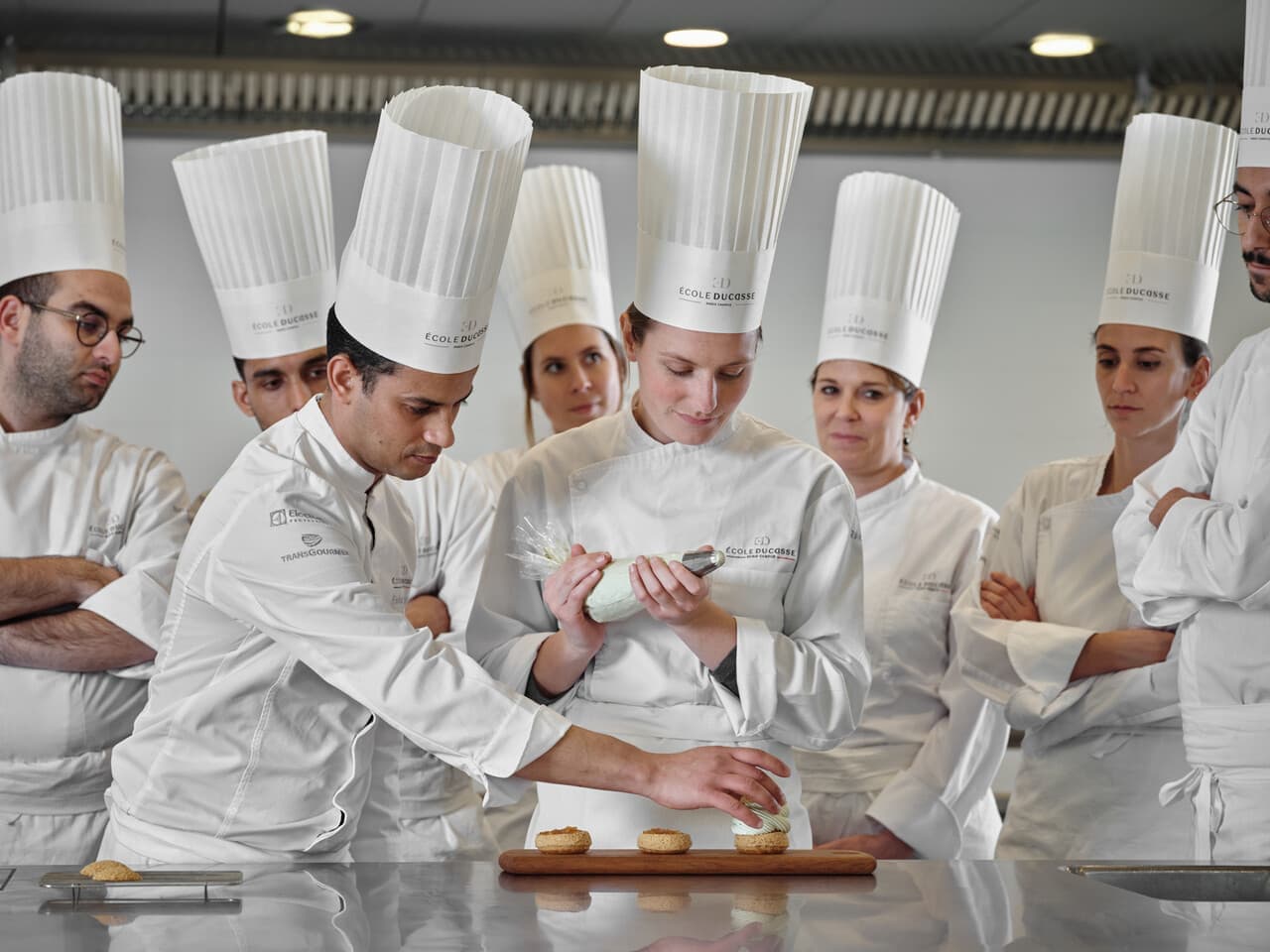
While programs vary, every schedule on campus combines technical drills, creative exploration and the structure of professional service. Students work in brigades that mirror real kitchens, rotating roles such as chef de partie and commis and learning to follow clear directions while taking responsibility for a section. Timing is part of the training, with set breaks and firm service windows, so the day feels like a rehearsal for the realities of restaurant life.
A typical day usually involves:
- Morning kitchen training: days begin with mise en place, knife skills and classic French culinary foundations. From perfecting julienne cuts to managing the pace of sautéing, the focus is on consistency and precision
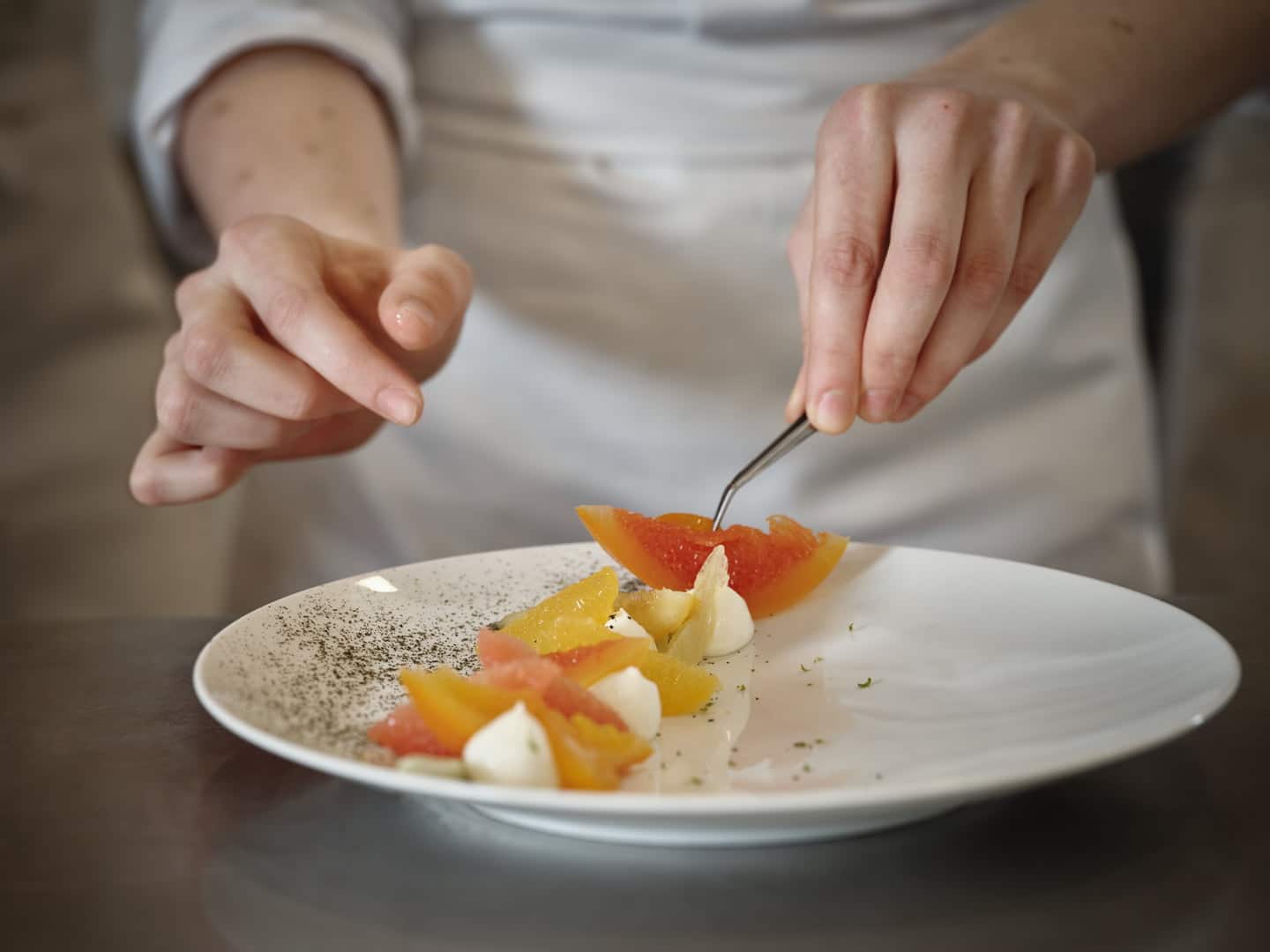
- Afternoon workshops: after the morning drills, afternoons are dedicated to recipe development and innovation modules. Students refine plating, test variations of traditional dishes and take part in labs where they apply French cooking techniques in creative ways. This balance ensures they master repetition and originality
- Campus life and collaboration: students connect with peers from around the world, share feedback in group tastings and receive close mentorship from chef instructors. Studying in France also means direct exposure to markets, producers and a world-class hospitality industry, an environment that builds technical and cultural awareness
- Service simulation and timing: students practice plating to the clock, call tickets, coordinate a chef de partie and manage a section. Scheduled breaks reflect real service rhythms, building stamina and discipline
Hands-on training with world-class chefs
Professional instruction is the cornerstone of culinary education. Students learn directly from industry veterans who bring decades of restaurant experience into every lesson. Small class sizes enable personalized feedback and individualized skill development, advantages that simply aren’t possible in larger groups.
Instructors push students to work at pace without losing precision, just as they would in a busy restaurant. Sessions often move from demonstration to production with deadlines, so students see how planning, teamwork and timing turn technique into consistent results.
This mentorship model covers three essential areas:
Mentorship from culinary masters
Professional chefs serve as instructors and mentors, providing the kind of intensive guidance that turns competent culinary students into confident professionals. These experts share the methods, insights and standards that define professional kitchens through:
- Personalized coaching: students receive focused attention that accelerates their skill development
- Immediate feedback: chefs observe technique, correct form and celebrate improvements in real time, which helps develop the core chef skills needed to succeed under pressure
- Expert demonstration: learning directly from masters who explain the how and the why behind culinary traditions
- Professional standards: experiencing the elevated levels that separate good cooking from culinary excellence
Ingredient-led culinary philosophy
Programs highlight how ingredients guide cooking methods and spark creativity. Students learn that culinary mastery is as much about responsibility as it is about artistry. Lessons often focus on:
- Ingredient sourcing: practical lessons in selecting quality products and understanding seasonal availability
- Sustainability focus: learning to minimize waste while maximizing flavor and nutritional value
- Palate development: training senses to distinguish quality differences that separate exceptional restaurants from ordinary ones
- Creative application: using traditional techniques as tools for innovation rather than rigid formulas
Learning through practical experience
Working in a professional-style brigade means mistakes happen in motion and students learn to recover fast. They are taught how to respond to challenges, adapt under stress and build resilience. This training develops:
- Problem-solving skills: when something goes wrong, instructors demonstrate recovery strategies and prevention
- Resilience building: students practice staying calm and maintaining standards during high-pressure service
- Continuous improvement: every dish reinforces the discipline of repetition and refinement
- Confidence development: over time, learners gain the assurance to lead and inspire in real kitchens
Learning French culinary traditions and modern trends
One of the defining elements of being a culinary student in France is the opportunity to engage with centuries-old traditions as well as the evolving demands of modern gastronomy. At École Ducasse, the balance between heritage and innovation ensures students develop a complete understanding of what it means to cook at the highest level.
The training combines two interconnected areas:
Mastering classical foundations
Students learn the discipline of French cooking techniques, where precision and repetition create lasting competence. The following modules are included:
- Classic sauces: practicing the five mother sauces until emulsification, seasoning and consistency become instinctive
- Time-honored preparations: applying methods such as braising, roasting and poaching to understand how heat transforms ingredients
- Traditional pastry elements: mastering pâte à choux, tart doughs and custards to bridge savory and sweet applications
Adapting tradition to today’s world
Alongside tradition, modules highlight how culinary education is evolving with global and cultural demands. They cover:
- Global influences: layering international flavors onto French foundations to diversify menu possibilities
- Sustainability: creating healthy and sustainable cuisine by sourcing responsibly and minimizing waste
- Modern creativity: refining plating and presentation with contemporary aesthetics while protecting the essence of the dish
- Innovation labs: experimenting with new tools and approaches that transform heritage recipes into forward-looking creations
Through this combined approach, students discover how recipes once tied to classic French cuisine have become living frameworks. Each lesson proves that mastering tradition is the foundation for innovation and that creativity thrives when grounded in discipline.
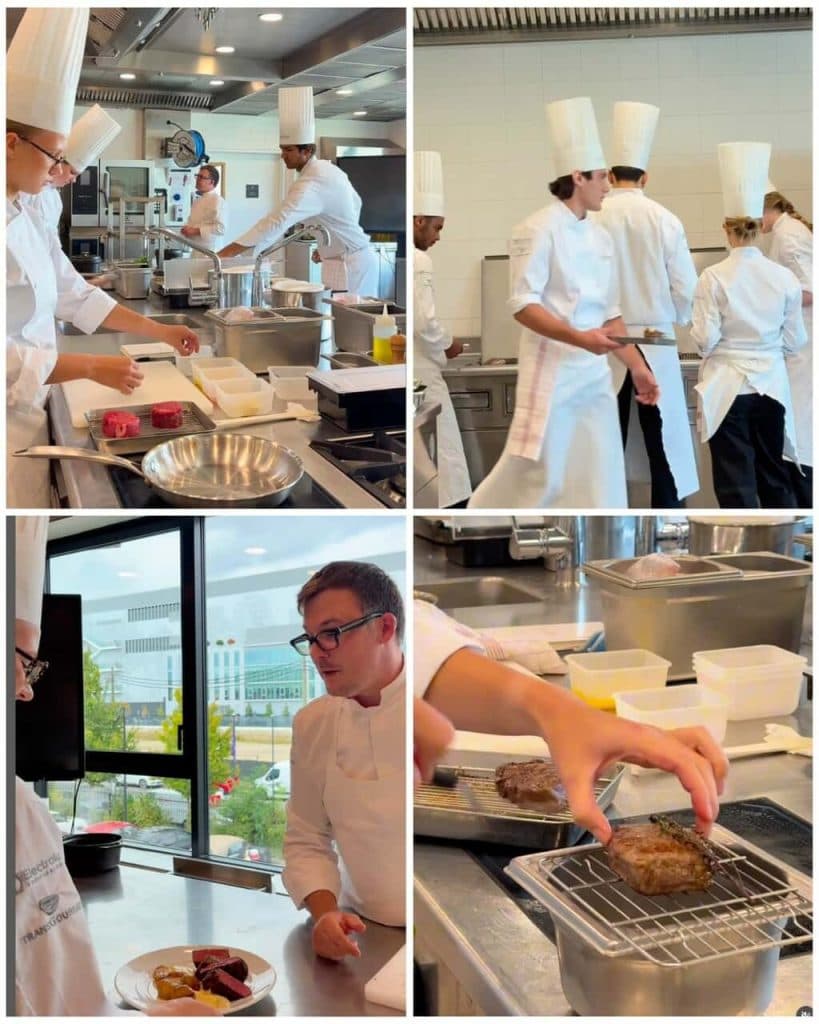
Life on the Paris culinary campus
Taking a Culinary arts degree in Paris places every student at the center of a global food capital. The city itself becomes part of the classroom, with markets, restaurants and suppliers all serving as daily learning resources. Beyond lessons, students absorb the spirit of French gastronomy through cultural immersion and professional exposure, which shape their perspective on food and hospitality.
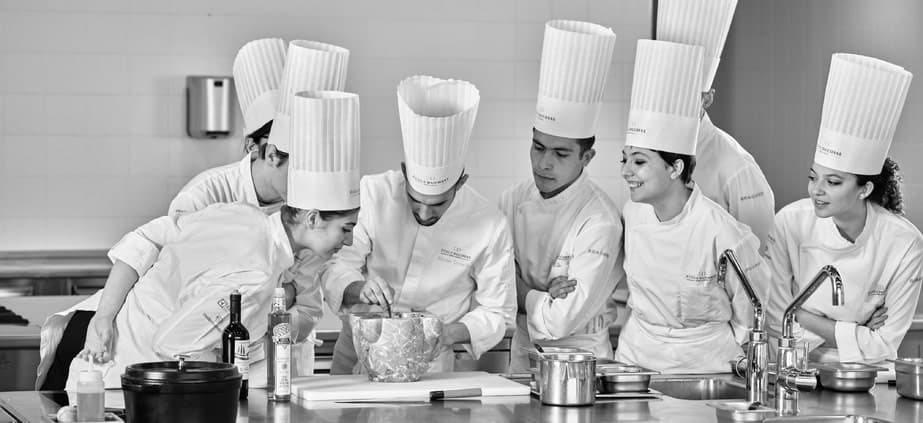
Inside École Ducasse's Paris culinary campus, collaboration is constant. Students share kitchens with peers from across the globe, learning cultural nuances that mirror the diversity of today’s restaurants. Chef instructors move through the labs offering feedback in real time, turning every mistake into a lesson and every success into momentum.
The kitchen labs run like real stations. Each day a student leads as chef de partie within an island team, setting the pace, delegating tasks and checking quality, while classmates operate as commis. It is a practical lesson in leadership and listening and it prepares everyone for the culture and cadence of professional kitchens.
What makes the experience distinctive is the balance between school life and immersion in the wider hospitality industry. Paris hosts international food fairs, chef conferences and supplier showcases and students are encouraged to take part. Networking at these events builds the kind of professional connections that often lead to internships or first jobs.
This is the essence of a culinary school in France: education shaped by centuries of gastronomic heritage and sharpened by the pace of a modern food capital. For students, it means training in state-of-the-art kitchens while living in a city where the food culture itself is part of the curriculum.
Preparing for your culinary career through training and real-world experience
The real value of a culinary education is how that training translates into professional opportunities. At École Ducasse, career preparation is woven into every stage of the program, combining:
Professional growth through student internships
Culinary students undertake work experience in top-tier restaurants, luxury hotels and innovative dining concepts where they apply what they’ve learned under the pressure of real service. These student internships give them industry credibility, build resilience and provide the first connections that often lead to long-term employment.
Entrepreneurial training through real projects
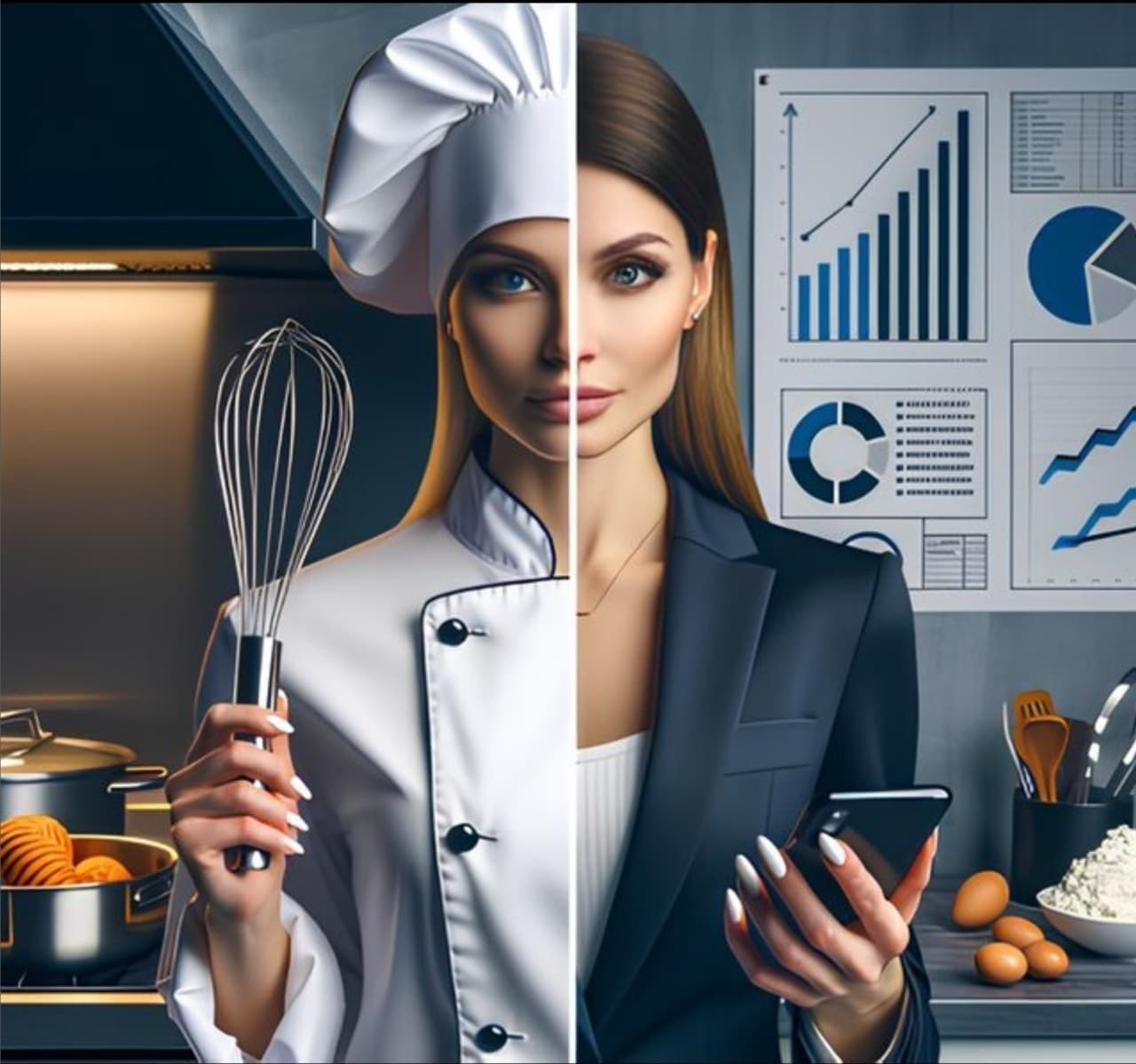
For those who dream of running their own bakery, café or restaurant, training includes modules on food entrepreneurship. Students practice menu costing, explore concept creation and develop the problem-solving skills required to turn creativity into a sustainable venture. Programs also explore the process of how to start a restaurant, showing students how financial planning, licensing and branding can be as important as culinary creativity.
Leadership and communication in practice
Management requires clarity in how chefs lead their teams. Throughout the program, students build confidence by practicing business communication skills. They learn how communication shapes kitchen culture, motivates teams and earns guest trust by delivering feedback during service simulations and presenting concepts in group projects.
Mapping long-term career pathways
Graduates leave with technical expertise and strategic perspective. Some move into fine dining, others into consultancy or product innovation, while a growing number pursue entrepreneurship. The chef career guide illustrates these pathways, showing how training opens doors across global hospitality and food sectors.
Student community and personal stories
What is it really like to step into the kitchens at École Ducasse and live as a culinary student every day? Beyond the schedules and the training, the best way to answer that question is to hear directly from those who have experienced it. Their stories reveal how confidence is built, how friendships shape resilience and how studying in France can be a professional and personal turning point.
Building confidence through training
Many students describe the transformation they felt after arriving with only basic skills and leaving with a professional foundation. Egis Rasiukas, a Bachelor in Culinary Arts student, explains how training gave him the assurance to thrive in real kitchens:
“Thanks to my training at École Ducasse I acquired a strong culinary background that I would never have got in another culinary school. That knowledge is crucial to build the foundation of your career. When I am in the kitchen, I feel comfortable and I can work faster and more efficiently than if I had only basic training. I’m really proud of that.”
This sense of confidence reflects the way professional practice and mentorship accelerate development. Students repeatedly mention how the environment balances pressure with support, making them capable of stepping into the hospitality industry with resilience.
Learning the French way
For Craig Alibone, an alumnus of the French Pastry Arts Essentials program, the decision to study in France shaped his technical skills and career outlook:
“I researched potential schools in France because I wanted to learn the right way, which means the French way. ENSP was a school where I could learn as much as possible about the pastry industry in a short time. Today I can honestly say it was one of the best times of my life. The teachers, the school, the settings, the surrounding villages, the fellow students… all of this contributed to an incredible experience and helped me gain the essential tools needed to advance my own career.”
His story reflects how attending a culinary campus in France, such as ENSP in Yssingeaux, together with its surrounding communities, enriches the educational experience.
A community that shapes careers
What ties these stories together is the sense of community. Students mention how shared learning experiences, chef mentorship and peer support gave them the foundation for success in demanding kitchens. By working side by side with classmates from around the world, they gained technical expertise, a professional mindset and valuable lifelong networks.
The culinary school experience
Life as a culinary student is demanding and rewarding, blending rigorous training with creativity, collaboration and cultural immersion. Each day reflects the rhythm and intensity of a professional kitchen, preparing students for the realities of the industry.
The journey combines traditional and modern culinary trends, individual learning and teamwork while offering the right balance of school life and real-world exposure. Ultimately, being a culinary student is about building resilience, confidence and a professional mindset alongside the technical skills needed to thrive after graduation.