Enrolling in a culinary program is a big decision, one that can transform a casual interest in food into a valuable, professional skill set. Before committing, it’s natural to want a clear look at what really happens behind those kitchen doors. What does the curriculum involve? How do top schools balance creativity with technical training? And which programs actually open doors to lasting culinary careers?
The reality is not all programs prepare you in the same way. Some introduce you to essential knife skills and kitchen safety. Others drop you right into live kitchens, pushing you to perform at your best while providing the discipline and feedback that shape real chefs.
Which school you choose can set the tone for your entire culinary journey, influencing where you train, who you meet and which opportunities come your way after graduation. If you're ready to find the right fit and want a realistic view of what to expect from top culinary schools, this guide will give you a comprehensive overview.
What is a school of culinary arts?
Many people begin their careers as chefs or food professionals in a place designed for serious training. A school of culinary arts is where students turn a passion for food into real expertise by building good technique, creativity and professional discipline.
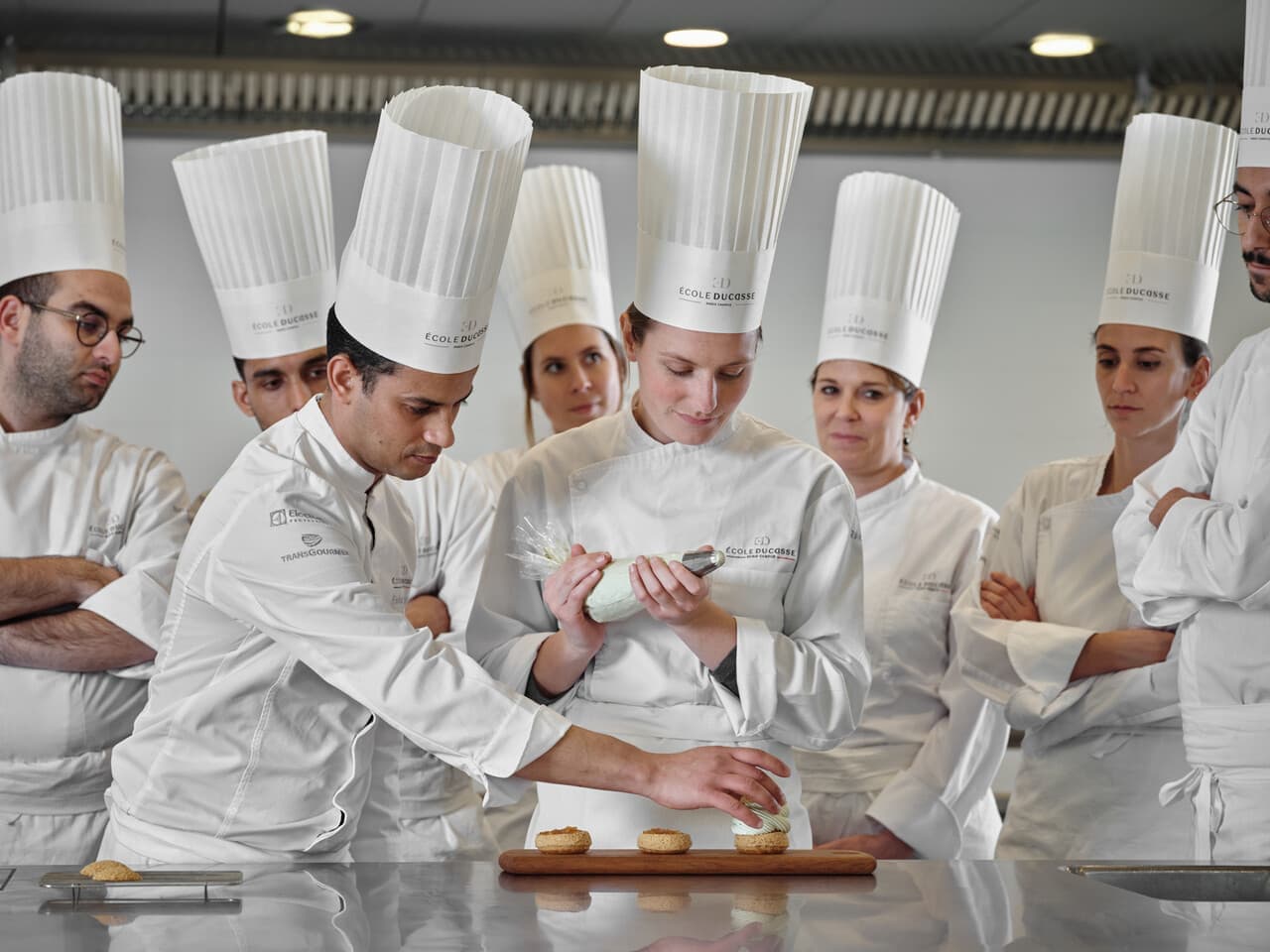
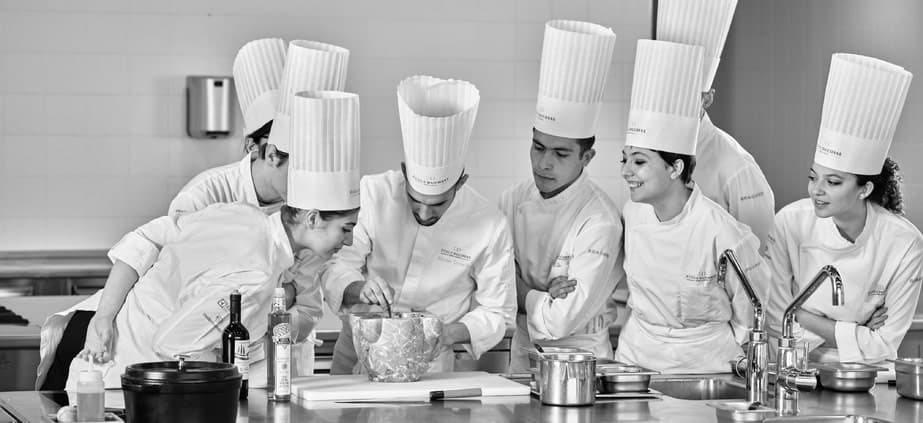
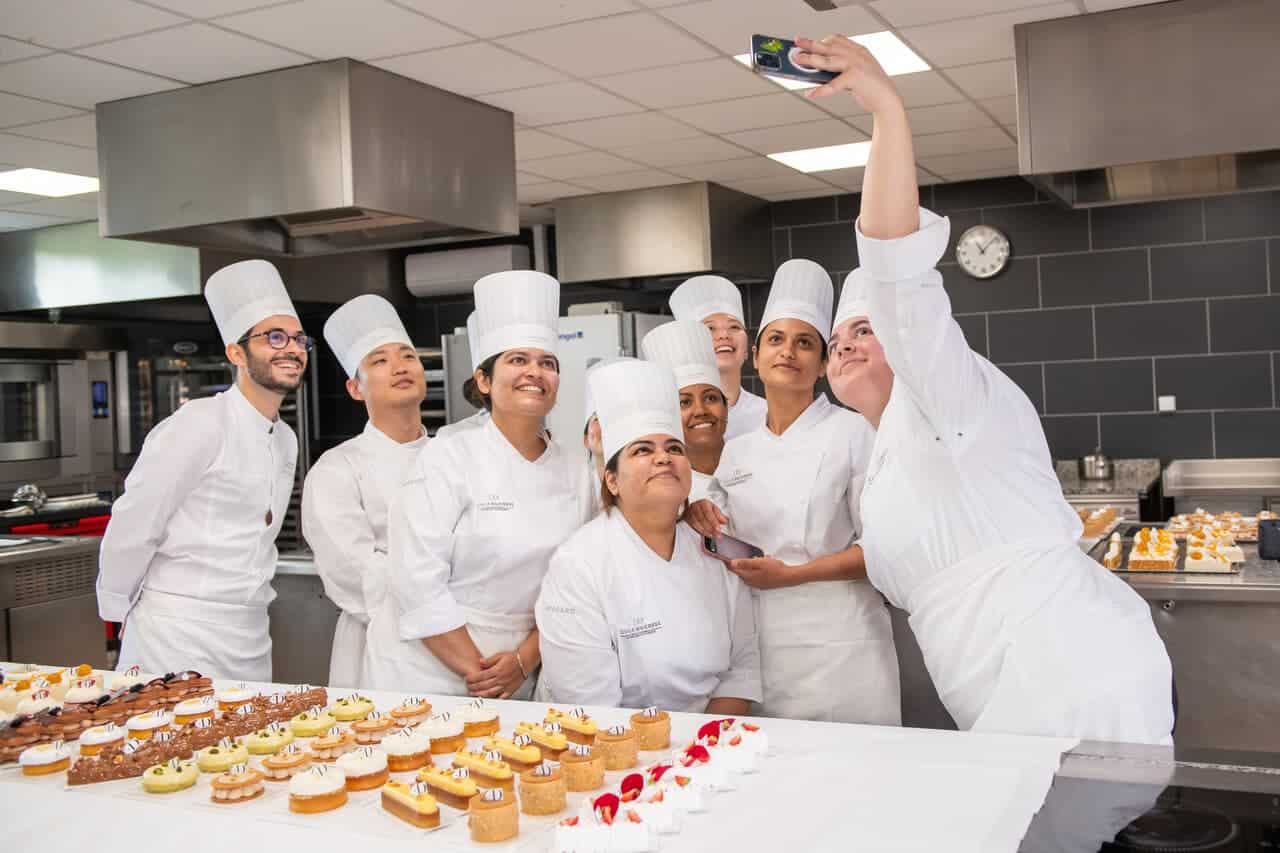
The experience feels similar to working in a real kitchen, with students:
- Practicing daily in commercial-grade kitchens using industry-standard equipment
- Learning through a curriculum that covers knife skills, food prep, recipe planning and kitchen organization
- Studying important topics such as food science, kitchen safety and restaurant operations
- Working toward diplomas, degrees or certificates employers recognize
People enroll in a school of culinary arts for many reasons. Some want to build a foundation after high school, while others are ready for a career change or want to turn a personal passion for food into a professional path.
Culinary schools focus on building the confidence, habits and techniques required to handle the pressure of busy food settings. The right training supports every step forward, from your first role in a kitchen to future leadership in the industry.
If you’re curious about how this approach is put into practice at a leading institution, explore what it's like to attend a culinary school in France.
What to expect in a culinary school curriculum
The best programs mix practical work with the science and creativity behind great food. From your first day, you’ll be challenged to see ingredients differently and build habits that carry over into any kitchen.
Students moving through this kind of training explore:
- Knife handling and kitchen safety, building speed and precision with every shift
- Cooking methods such as sautéing, braising, roasting and grilling, essential to a wide range of cuisines
- Nutrition and ingredient behavior, providing a deeper understanding of how and why recipes work
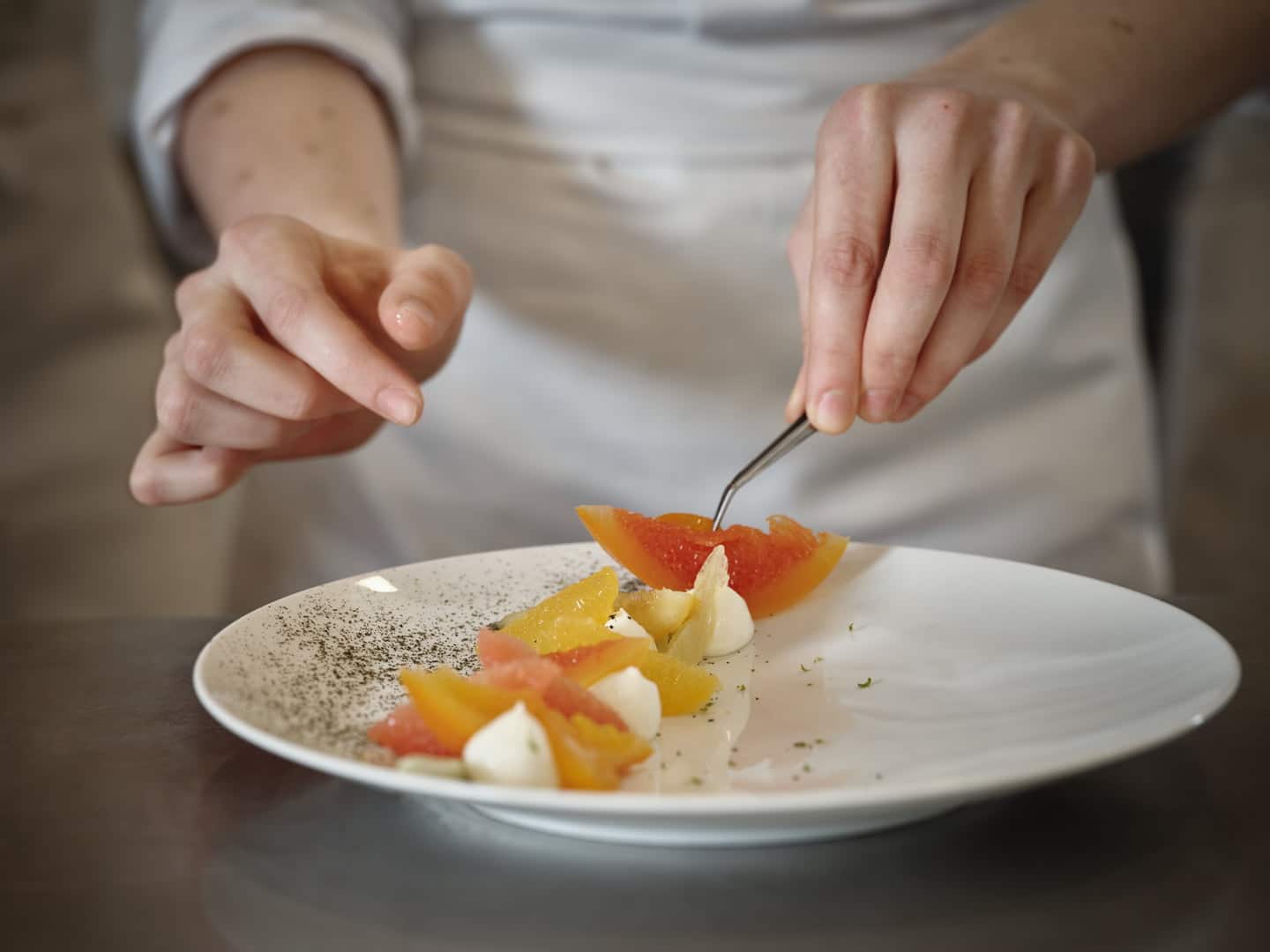
- The art of plating and sensory analysis, so each dish appeals to eyes and taste buds
- Pastry and baking, often offered as modules or full tracks for those who want to specialize
- Sustainable sourcing, with a focus on responsible ingredient choices
- Global cuisines, introducing flavors, techniques and traditions from around the world
- Restaurant operations, including menu costing, teamwork and live service
Most students will end up in a real kitchen before graduation, working alongside professionals and learning what pressure feels like on the job.
If you’re curious about how leading programs structure this kind of learning, take a closer look at a culinary arts degree or dive deeper into the science of cooking for a more technical perspective.
Is culinary arts a fine art?
Can cooking be considered a form of art alongside painting, music or sculpture? While it might not hang in galleries, the work of chefs often reflects the same dedication to creativity, storytelling and technique seen in traditional fine arts.
Food, like sculpture or music, tells a story. It evokes memory, culture and emotion. Chefs build meaning through textures, flavors and plating just as artists use canvas, clay or sound. When approached with care, creativity and intention, culinary mastery becomes a true form of cultural expression.
In fact, many modern chefs engage with food as a performance medium, offering immersive experiences that reflect identity, geography and social commentary. Dishes are designed with aesthetic balance and layered meaning, drawing from personal heritage or world issues. These concepts, once reserved for art galleries or museums, are now taking shape in restaurants around the world.
In this way, culinary fine art stands shoulder to shoulder with other artistic disciplines. Culinary students are taught how to think creatively and translate their ideas into dishes that connect with guests on a deeper level. To understand how classical methods support innovation, students can study traditional French cooking techniques, learning how form and structure lead to expression.
Practical training and real-world experience
While artistic thinking is key, real-world readiness is what turns students into professionals. The top schools bring students straight into professional kitchens, where learning happens through action as well as theory.
The students spend their days:
- Rotating through a variety of kitchen stations to build versatility
- Preparing and serving food for guests during live service modules
- Completing internships or placements in real restaurants and hotels
- Getting direct feedback and advice from master chefs
Working in this way helps students develop genuine kitchen instincts. As speed, confidence and problem-solving skills improve with every shift, the value of practical experience becomes clear. This is why choosing a program with real industry exposure makes a difference.
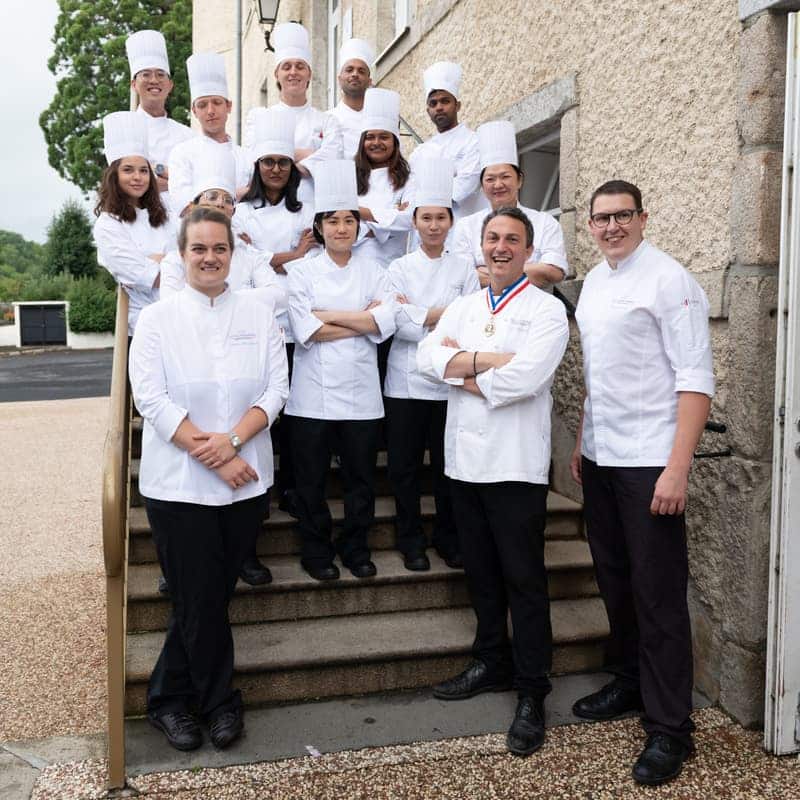
At École Ducasse, for example, students connect with experienced chefs from the very beginning, giving them the chance to build chef skills in real kitchens as part of their daily routine.
Specializations and paths within culinary schools
Students have more options than ever before. They can choose a broad, generalist education or focus early on a specific area.
Some of the main specializations include:
- Pastry and baking: courses in sugar work, chocolate, dessert plating and bakery production. Students may pursue extended pastry classes or enroll in programs such as the baking and pastry arts course
- Culinary innovation: explore emerging food trends, flavor development and sustainability. These courses may include exposure to technical tools used in high-end gastronomy or advanced fermentation and curing techniques
- Entrepreneurship: for students interested in starting their own restaurant or food business. Modules cover branding, budgeting and business strategy. See this resource on food entrepreneurship for a deeper look at the skills involved
- Plant-based culinary arts: a growing area of interest, these courses teach students how to create balanced, flavorful meals using only plant-based ingredients that meet modern dietary needs
- Hospitality leadership: focused on management and operations, this path prepares students for roles that involve team coordination, menu development and guest satisfaction in hotel or resort kitchens
What makes a great culinary school?
If you’re deciding where to train, pay close attention to what happens beyond the brochure. Great culinary schools stand out for a few reasons and these qualities matter from your initial lesson to your first job.
A standout culinary school is built on a few essentials:
Expert mentors and support teams
Learning from chefs who have worked in the industry brings real perspective to your training. These instructors provide training in current techniques and practical advice on career development. Alongside teaching, schools often provide advisors and support staff who help you balance academic progress and personal growth throughout your culinary program.
Facilities built for culinary mastery
Professional kitchens, bakery labs and teaching restaurants should mirror real-world work environments. Whether you’re practicing sauce work or executing plated desserts, your school should offer access to the right equipment and tools along with environments that support live service simulations.
The chance to use commercial equipment, practice with real ingredients and experience timed service builds the confidence needed for restaurant and bakery work. Specialized programs, such as the higher diploma in pastry arts, offer dedicated spaces for chocolate, sugar or creative plating.
Career support and externship opportunities
Leading culinary schools connect students with externships, job fairs and alumni networks that open doors in the industry. They provide résumé workshops, interview preparation and networking opportunities to ensure you’re ready for the job market.
Meaningful industry connections, academic collaborations and recognition are essential. Look for schools with established connections to the hospitality industry, catering companies and restaurants locally and internationally.
For long-term success, some programs also help students build business communication skills that support leadership and collaboration.
How to know if culinary education is right for you
Committing to culinary school means investing your time, effort and ambition. Before taking that step, it's helpful to be honest about your interests and goals.
So how do you know if it’s right for you?
Start by asking yourself some direct questions
Think about your working style. Do you enjoy moving around and solving problems with your hands? Can you stay focused when the pace picks up? Are you patient with repetition and able to pay attention to the small details that matter in a kitchen?
Discipline, teamwork and a drive to improve are must-haves in this field. You’ll spend long hours on your feet, deal with feedback in real time and constantly have to adapt to new techniques and flavors. If you’re aiming for leadership, whether as an executive chef or head chef, understanding what these roles involve will help you plan your next steps.
Explore before committing
Still unsure? Try a short workshop or an open day to get a true sense of kitchen life. Speaking with current students or graduates will give you a realistic view of what happens during and after training.
If you’re not ready for a full program, look for flexible courses in bread, pastry or hospitality. These can help you test your interest and skills before committing.
Turning training into opportunity with the right school of culinary arts
Culinary training can give you a clear advantage in the competitive world of gastronomy. It helps develop real skills, confidence and industry habits, enabling you to start in a professional kitchen and keep building from there. Your experience at school shapes the way you work, the jobs you can access and the network you can rely on as your career grows.
If you’re serious about learning, ready to work and want to join a field that rewards passion and skill, start looking at programs that match your ambitions. Your best opportunity starts with the choices you make now.