Whether you dream of tempering chocolate like a pro, layering the perfect croissant or even starting your own dessert business, online pastry training can guide you from home baker to pâtisserie pro.
These courses offer high-quality video lessons, expert instruction from top chefs and flexible learning. You’ll get the same core skills and techniques taught in top culinary institutions, with options for beginners, intermediate bakers and seasoned professionals.
Why choose an online pastry course?
Online pastry courses offer the flexibility to learn from anywhere, making them ideal for those balancing work, family, or other commitments. With self-paced modules and on-demand lessons, you can study on your schedule without sacrificing quality.
Many programs feature instruction from expert pastry chefs and follow the same high standards as leading culinary schools, often at a lower cost. Courses typically include live sessions, interactive materials, downloadable guides, and step-by-step tutorials, making professional pastry training more accessible than ever.
What you’ll learn in a typical online pastry program
While face-to-face teaching has undeniable benefits, most core competencies in baking and pastry arts can be effectively taught using virtual tools. Online pastry schools are designed to replicate the structure and quality of in-person courses as closely as possible.
Online pastry programs often include:
- Foundational techniques: you’ll learn to work with various doughs and batters, master mixing and folding methods and explore techniques such as chocolate tempering, piping, glazing and shaping Viennoiserie
- Classic French pastry modules: many programs include training in iconic recipes such as éclairs, tarts, mille-feuille and plated desserts. Emphasis is placed on understanding the structure, ingredients and presentation of each dessert
- Food science and kitchen hygiene: you’ll study the role of temperature, timing, texture and the science behind baking. Clean workspace practices, proper ingredient handling and hygiene protocols are reinforced throughout each module
- Creative and business modules: some advanced courses include insights into menu design, costing, ingredient sourcing and entrepreneurship, ideal for those considering launching a catering service or boutique patisserie
- Soft skills: certain programs also integrate modules on professional behavior, team management, client interaction, organization, business communication skills and presentation
Comparing online pastry school to in-person culinary education
When deciding between virtual and on-campus pastry programs, it’s important to understand what each format offers. Both paths can lead to a fulfilling career in pastry, but the best choice depends on your learning style, goals and current lifestyle.
Online pastry courses offer unparalleled flexibility. You can learn from anywhere in the world, revisit lessons as often as needed and progress at your own pace. This format is especially ideal for working professionals, parents or international students who may not be able to relocate.
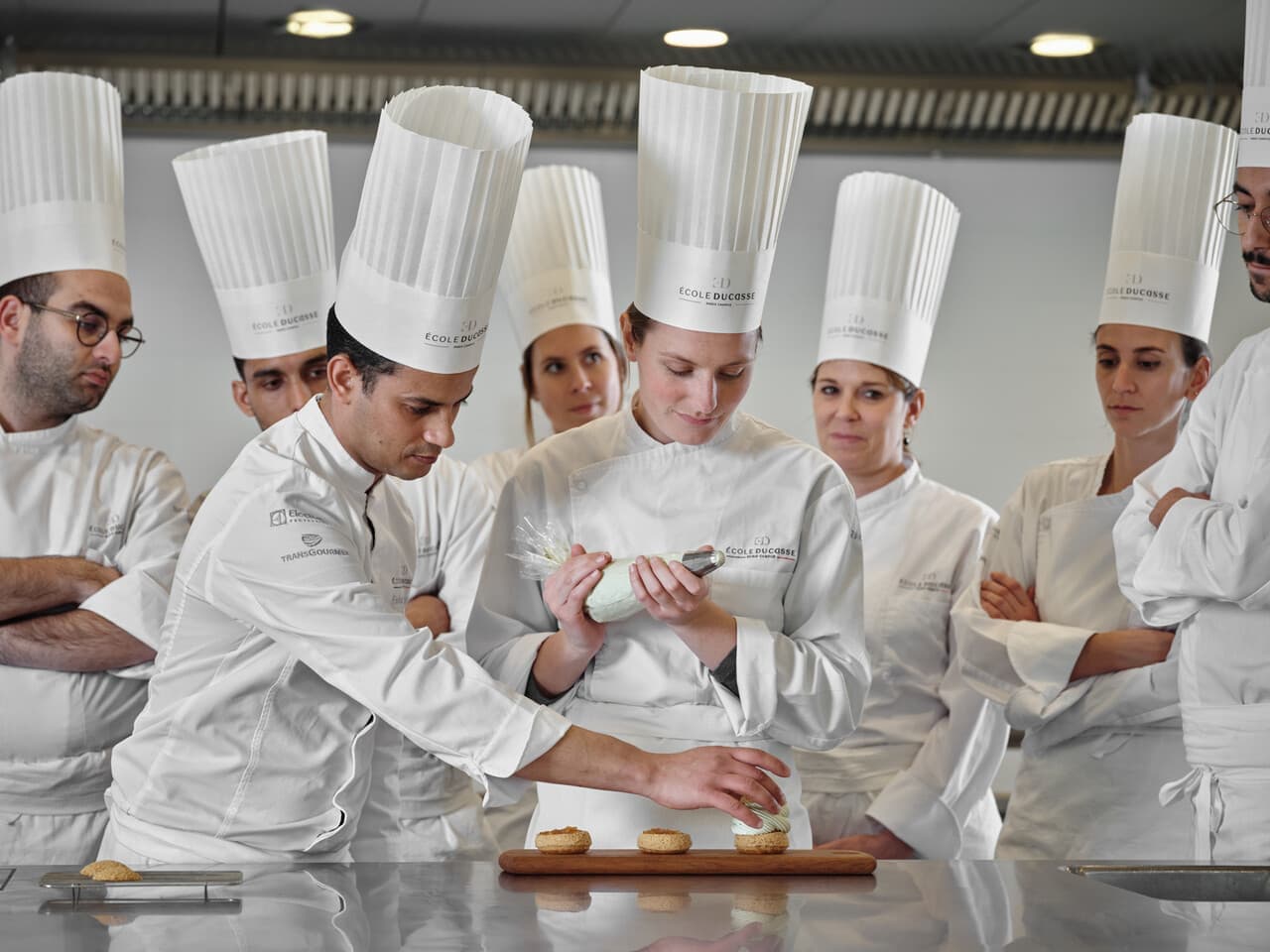
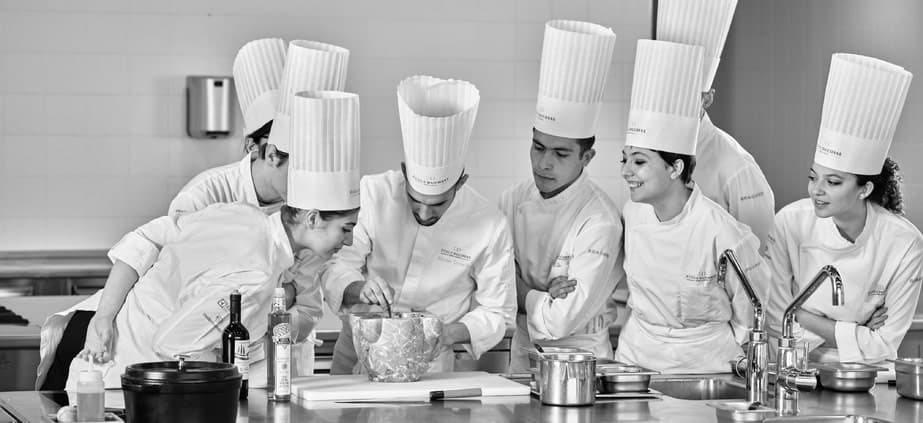
In-person culinary education, however, remains invaluable in many ways. Being physically present in a training kitchen allows for immediate feedback, hands-on experience with commercial tools and real-time mentorship. You’ll be immersed in the atmosphere of a professional culinary environment and have opportunities to network with chefs, instructors and peers, something that’s more difficult to replicate online.
If you’re considering relocating for formal study, this guide to attending culinary school in France offers insight into the experience and key factors to consider.

Who should enrol in online pastry courses?
Remote programs cater to a wide range of learners with diverse goals, from beginners to seasoned professionals. The following types of people benefit most:
Aspiring pastry chefs who need flexibility
If you're passionate about patisserie but face time or location constraints, online learning enables you to start developing your pastry skills without putting your dreams on hold.
Career changers seeking professional development
Want to transition from another field into the culinary world? Online pastry courses let you explore the industry and gain essential knowledge without leaving your current job. It’s a smart way to test the waters before committing to a full-time culinary career.
Home bakers aiming for certification
Do friends and family rave about your cakes and cookies? Online pastry schools can help you turn your hobby into a profession by elevating your skills and moving you toward formal credentials.
Culinary students supplementing in-person learning
Already enrolled in a program? Use online modules to dive deeper into specific areas such as Viennoiserie, classic French pastries or modern dessert plating. Many students use these courses to strengthen weak spots or broaden their exposure to international pastry styles.
Entrepreneurs preparing to launch a business
Planning to open a restaurant, patisserie or catering business? Online pastry courses support your journey into food entrepreneurship by helping you build professional skills while developing your business. Learn production techniques, menu planning and food costing, all essential for creating a successful and profitable operation without pausing your launch plans.
Food industry professionals seeking to diversify skills
Chefs, caterers and hospitality managers can benefit from adding pastry expertise to their repertoire. Whether it’s to design a dessert menu, improve presentation for high-end events or meet client requests for specialty baked goods, online pastry training enables professionals to broaden their offerings and stay competitive.
Key skills you’ll develop
Online pastry courses equip you with adaptable, career-ready aptitudes that can elevate your baking from hobbyist to professional. The following abilities help you work smarter, solve problems creatively and stand out in a competitive field:
- Culinary problem-solving: you’ll build the confidence to troubleshoot common pastry issues and adapt on the fly, from fixing a split ganache to salvaging an under-proofed dough
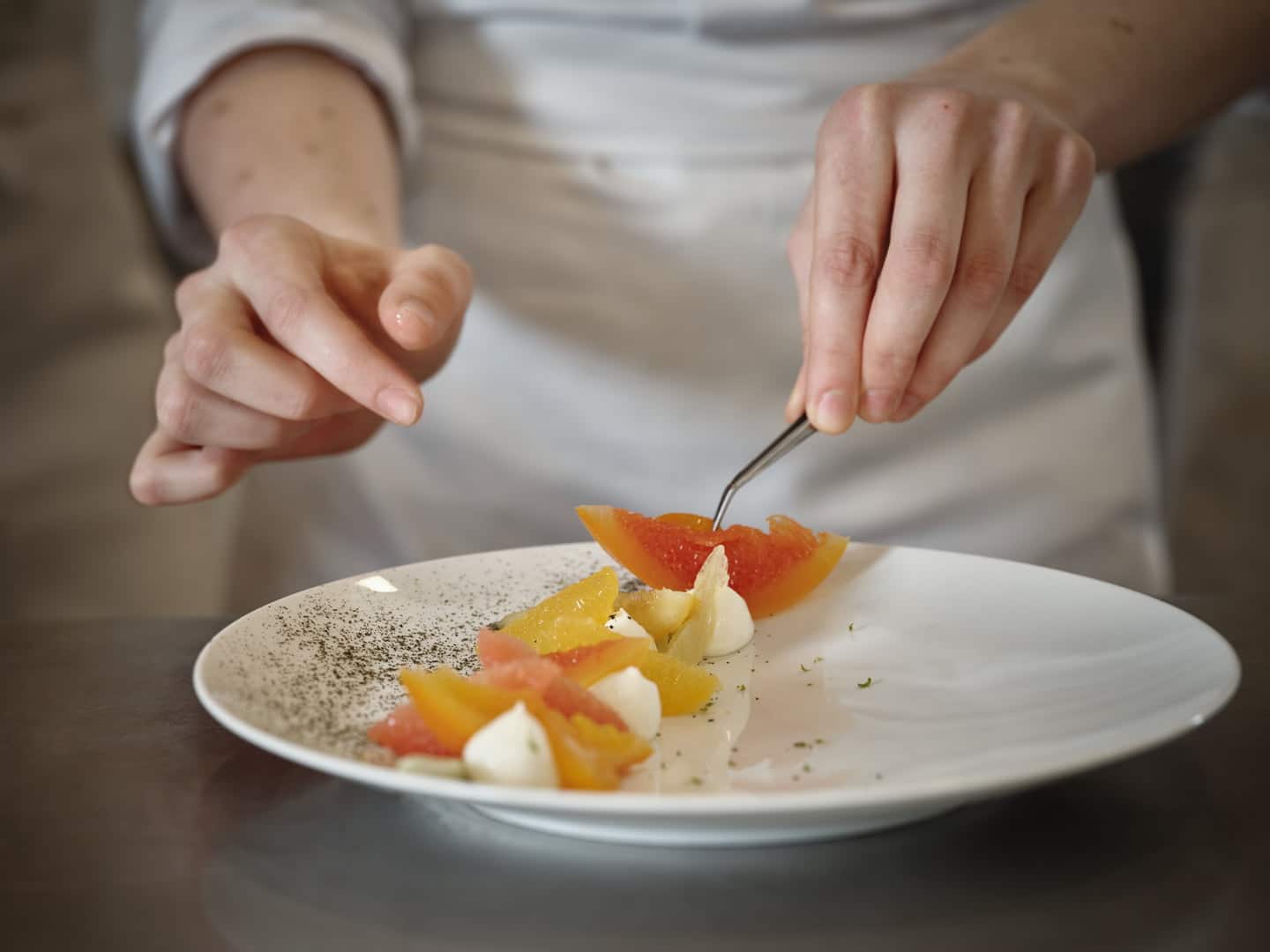
- Visual storytelling through presentation: learn how to use color, contrast, texture and plating to turn your creations into visually stunning desserts that tell a story. A must for social media, menus or competitions
- Recipe development and innovation: move beyond classic formulas to create your own signature desserts. You’ll learn how to tweak ratios, experiment with flavors and document your creations for consistency and replication
- Digital fluency in a culinary context: you’ll gain experience using online platforms to receive feedback, collaborate with instructors and peers and present your work, which is useful in an increasingly digital culinary landscape
- Self-discipline and independent workflow: unlike in-person classes, online learning builds your ability to work independently, manage your own schedule and stay motivated without constant supervision, a critical skill in any kitchen or business
Credentials and certification
A common question from students is whether online pastry courses offer credible certifications. The short answer is yes, but it does depend on the program.
Many online schools offer certificates of completion, while others provide credentials that contribute to professional advancement or count toward formal education credits.
When choosing a course, consider the following:
- Accreditation or industry recognition: is the program backed by a respected culinary institution? Does it have partnerships with professional chef associations?
- Quality and consistency of instruction: are the lessons taught by experienced chefs or instructors from leading culinary schools? Are they current with today’s trends and techniques?
- Progression opportunities: some programs, such as those offered by École Ducasse, are designed to serve as a stepping stone to more advanced training. Starting with an online course can open the door to diplomas or degrees, such as a Higher Diploma in Pastry Arts or a full Culinary Arts Degree
As long as you choose a course from a leading culinary institution, such as École Ducasse, you can expect the same standard of excellence across in-person and digital formats.
How to choose the right online pastry school
Not all pastry courses offer the same quality of training. Before enrolling, consider this quick checklist to evaluate whether a program fits your goals:
- Reputation of the institution: research the school’s background, alumni success, and industry recognition. Programs affiliated with global brands or renowned chefs often carry more weight in the job market.
- Experienced teaching staff: look for instructors with both teaching credentials and real-world experience. Those who have led pastry kitchens or worked as executive chefs bring valuable, hands-on knowledge.
- Learning tools and structure: evaluate the course materials. High-quality programs include video tutorials, recipe guides, downloadable resources, instructor feedback, and opportunities for peer interaction.
- Progression and support: some schools offer pathways from online to in-person training, as well as mentorship, career services, or post-course guidance.
Choosing a school that aligns with your learning style and career goals is a crucial first step toward building a successful pastry career.
From screen to kitchen: turning knowledge into high-value skills
Online pastry courses can serve as a powerful launchpad for aspiring chefs. On the right program, expert mentors will guide you through hands-on practice, skill refinement and creative development. Every module is a stepping stone, helping you build confidence, sharpen technique and move closer to your pastry goals, no matter where you're starting from.