In a fine dining restaurant or a neighborhood bakery, pastry chefs plan menus, manage prep schedules, train apprentices and maintain impeccable standards even under pressure. For anyone serious about the craft, learning the full scope of skills and responsibilities is essential. Formal training provides the structure and support to grow with confidence.
Core hard skills for pastry chefs
In any professional kitchen, technical ability is the foundation of success. These hard skills develop over time through structured practice, consistent repetition and formal instruction. They enable pastry chefs to work with accuracy, lead with confidence and create desserts that meet high standards every time.
Below, we’ll discuss the key technical skills every pastry chef needs to master.
Mastery of classic techniques
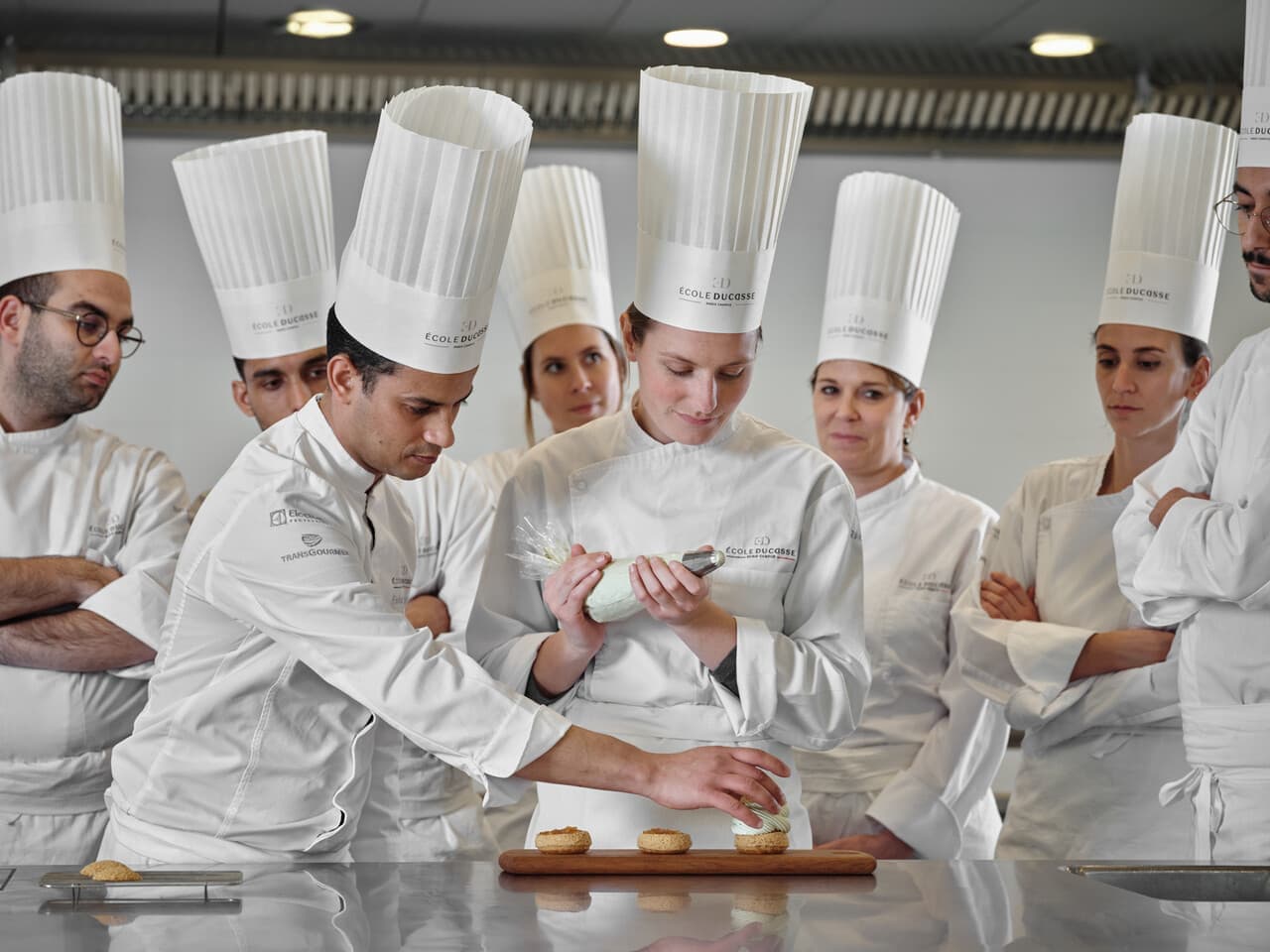
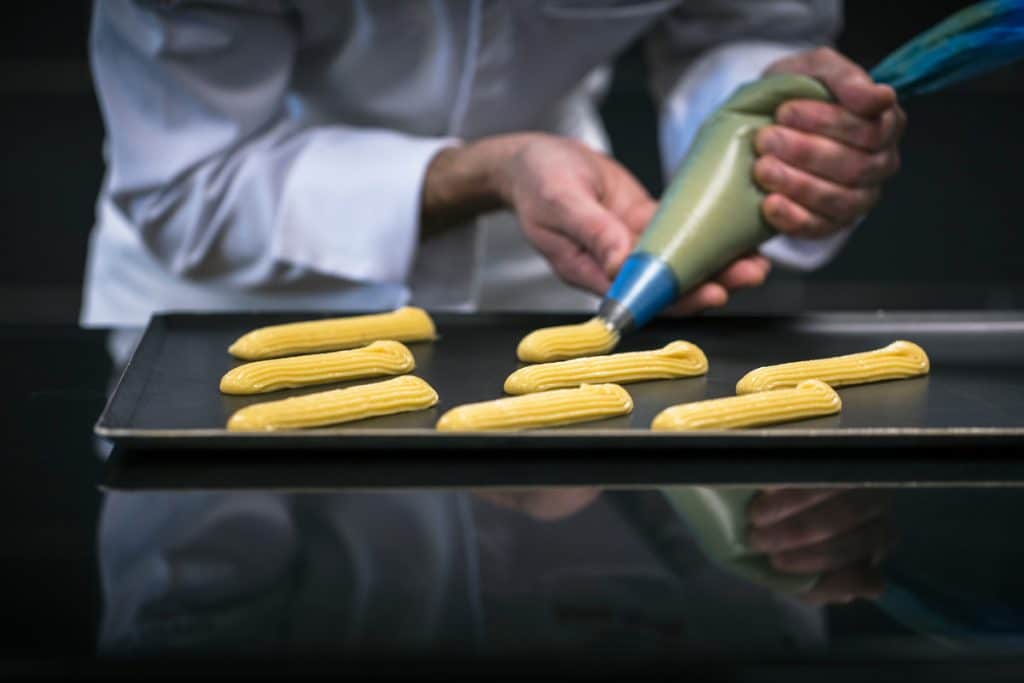
Pastry chefs employ a wide range of technical methods, from rolling puff pastry and filling choux to piping, glazing and setting mousses. These tasks require precision and consistency and are often grounded in classic French cooking techniques. Most of these are covered in depth during baking and pastry arts training.
Chefs also prepare petits fours, laminated doughs, ice cream and plated desserts. Each of these demands careful control over time, temperature and texture.
Ingredient science and baking accuracy
A professional pastry chef knows how ingredients react during baking. Understanding the role of sugar crystallization, fat ratios, flour strength and emulsification helps prevent common errors. The science of cooking enables chefs to manage texture, rise and structure across a wide variety of baked goods.
Advanced training also covers fermentation, heat transfer and ingredient alternatives. These are especially useful when preparing gluten-free, dairy-free or allergen-sensitive recipes.
Time and production management
Pastry chefs often work under pressure, especially during service or high-volume production. Managing prep lists, coordinating team tasks and sticking to service timelines all require careful planning. Many use job sheets to assign responsibilities and stay on track during busy shifts.
Time management is especially important in hotels, catering businesses and production kitchens, where the pace is fast and the pastry brigade needs to run efficiently.
Equipment handling and kitchen hygiene
Pastry chefs use a wide range of tools, from digital scales and mixers to ovens, blast chillers and molds. Knowing how to operate and maintain each piece of equipment is part of the job. Chefs also follow clear protocols for cleaning and storage.
Sanitation and food safety are critical in every kitchen. Many professionals earn formal credentials, such as the Food Safety Manager Certification, to meet regulatory standards or qualify for leadership roles.
Artistic presentation and decoration
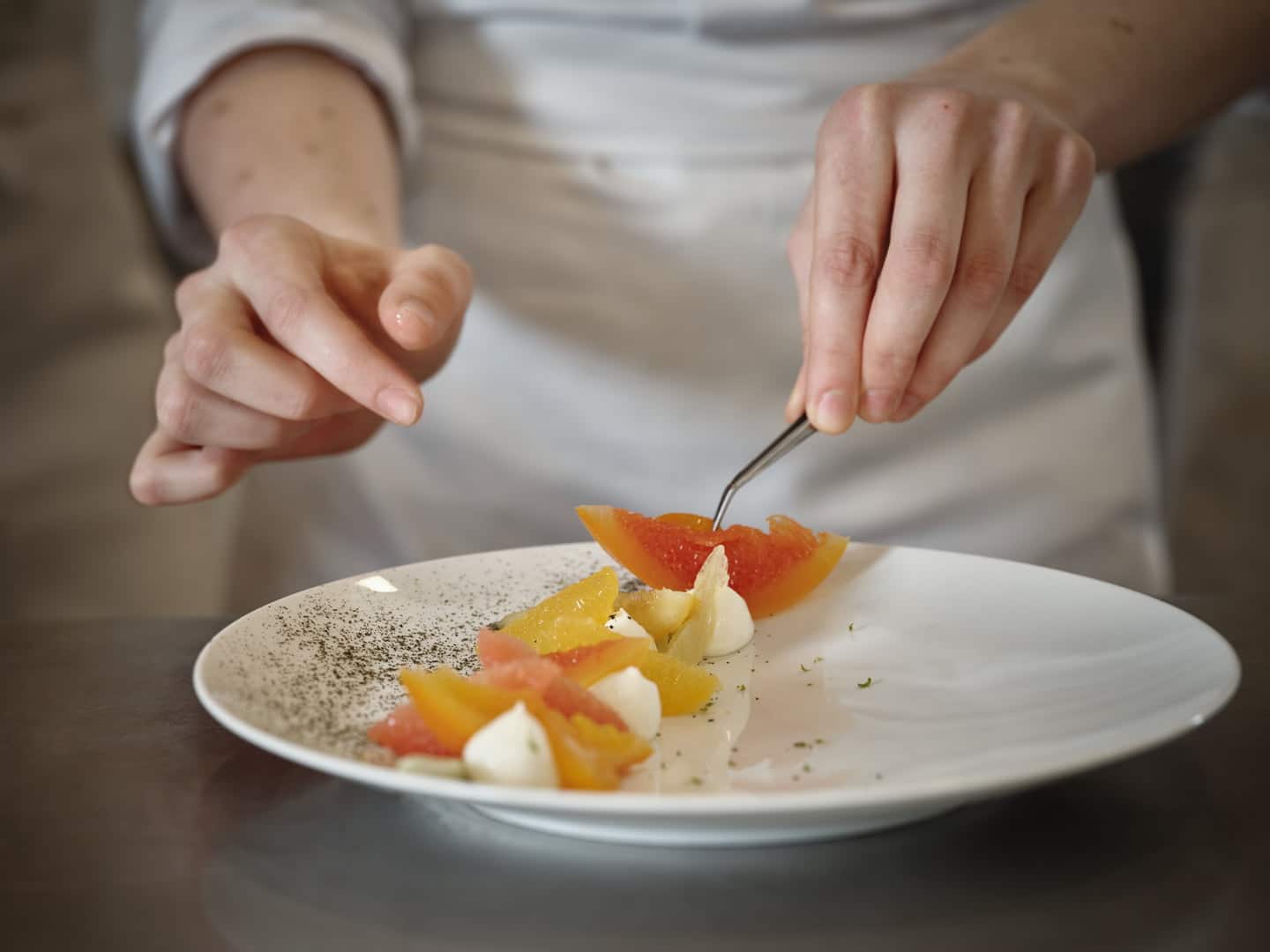
Visual impact is a key element of pastry work and chefs are expected to present their dishes with precision and creativity. Advanced decoration techniques include chocolate work, sugar art, modern plating and layered construction.
Courses at elite schools such as Ecole Ducasse prepare students for roles in the industry by teaching them these core skills in structured classes or as part of a culinary arts degree.
Essential soft skills for pastry success
Personal qualities shape how pastry chefs lead, solve problems and grow. These soft skills support day-to-day performance and help chefs build long-term careers in the industry.
Below, we’ll look at the principal soft skills pastry chefs need to master.
Creativity and design thinking
Innovation is a key part of pastry work. Chefs create seasonal menus, develop signature items and test new flavor combinations all the time. Each dish must balance taste, texture and visual appeal. Whether designing custom cakes or refining plated desserts, creativity is paramount.
Patience and emotional control
Pastry work requires care and attention across many stages. Proofing, setting and assembly all take time and results can be affected by small changes in temperature or timing. Chefs need to stay calm when things go wrong and focus on making precise adjustments.
Leadership and communication
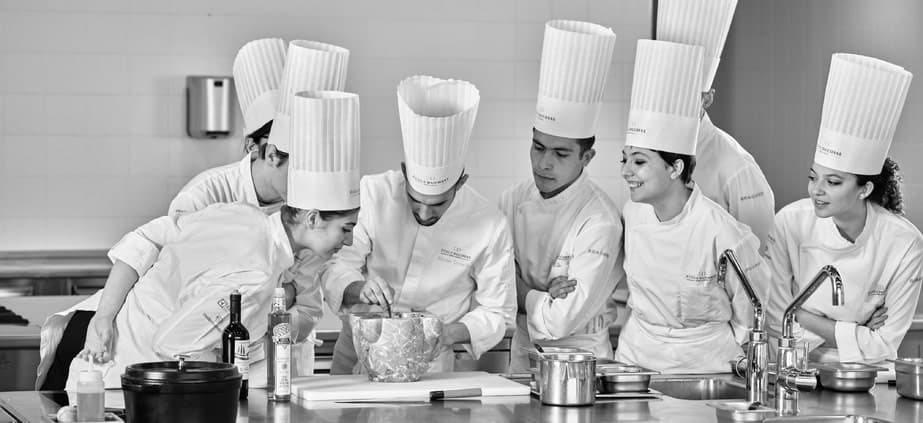
Many pastry chefs lead a small team or coordinate other parts of the kitchen. Clear communication helps service run smoothly, supports team morale and ensures standards are met. These skills matter even more when training apprentices or managing production under pressure.
For chefs aiming to become a chef de partie or manage a pastry section, the ability to guide others and give clear feedback is essential.
Curiosity and continuous learning
Pastry trends evolve quickly and great chefs stay open to new ideas. Some follow industry publications or attend workshops. Others explore new developments such as plant-based mousses, artisan bread or social media-friendly decoration styles.
Curiosity keeps chefs engaged and growing. It also helps them adapt to changing guest preferences and dietary needs.
Pastry chef responsibilities in the kitchen
Planning, leading, creating and overseeing operations from start to finish are all part of the role. The sheer range of responsibilities pastry chefs have shows just how much care and coordination go into each dessert.
Below, we look at some of the more common pastry chef duties.
Preparing and designing desserts
A key element of the role is planning desserts that are consistent, creative and well-balanced. These might include plated dishes for fine dining, personalized cakes for events or choux-based items for afternoon service. Chefs can shape the entire dessert menu, adapting it seasonally and refining recipes based on guest feedback.
Recipe development is also part of the job. Pastry chefs test and scale ideas, balance flavor and cost and align their work with the broader kitchen strategy.
Leading kitchen staff and managing production
Pastry chefs often lead teams and guide junior staff. They assign prep tasks, oversee stations and manage service during busy periods. In larger kitchens, they may also train interns or mentor apprentices through hands-on instruction and regular feedback.
Leadership is especially important in fine dining and high-volume operations, where every step must be planned and executed with care.
For more on how pastry roles fit into the wider kitchen environment, explore this guide to chef skills and leadership across culinary stations.
Overseeing food safety and sanitation
Pastry chefs must maintain high standards of hygiene. This includes proper storage of ingredients, regular equipment cleaning and allergen management for guests with dietary needs.
Some chefs pursue credentials such as the Food Safety Manager Certification to boost their qualifications and meet industry standards, especially in regulated or international kitchens.
Budgeting, inventory and operations
Chefs working in hotels, resorts or catering are often responsible for maintaining stock levels. This involves ordering ingredients, managing rotation and minimizing waste. Sourcing quality items while staying within budget is also a key skill in many senior roles.
These operational responsibilities are covered in structured programs such as the culinary school in France track at École Ducasse.
Pastry chef qualifications and training paths
Some aspiring professionals build their skills through hands-on experience, while others take a more structured route through formal education. For pastry chefs looking to advance, the right qualifications can open doors, build credibility and increase earning potential.
Why professional training matters
A pastry program builds structure, reinforces food theory and teaches all the skills needed in the industry. Students learn how to master core techniques, work in team settings and manage in real kitchen environments.
Formal training supports career growth by enabling students to:
- Learn techniques from certified instructors
- Gain experience in professional kitchens
- Build a resume that demonstrates real competency
- Access job placement networks and alumni support
Program options at École Ducasse
For aspiring pastry professionals, École Ducasse offers two main programs:
- Bachelor in French Pastry Arts: a full degree that combines pastry technique, kitchen leadership and food entrepreneurship
- Higher Diploma in Pastry Arts: an accelerated course designed for career switchers or chefs who want to specialize
Both programs feature kitchen labs, courses in culinary business management such as cost control, marketing and menu development, along with on-the-job learning. Students work with professional tools, lead production shifts and train for roles such as cake designer, bakery owner or pastry chef in a hotel.
The curriculum also includes leadership modules and communication skills to help students become well-rounded professionals. For more on how these programs fit into broader culinary careers, explore this chef career guide.
Pastry chef career options and salaries
Today’s pastry professionals are not limited to hotels or restaurants. Many move into entrepreneurship, education, product development or even dessert-related digital content creation. The industry values versatility, especially when paired with formal training and real kitchen experience.
Where pastry chefs work
Experienced professionals find roles across a wide range of settings, including luxury hotels, fine dining restaurants, boutique pastry shops and resort kitchens. Some take on more administrative roles such as managing bakery operations, overseeing production for catering businesses or consulting on menu development.
Those with an entrepreneurial focus frequently launch their own pastry boutiques, event cake businesses or online ventures centered around visually striking desserts. Training at a school such as École Ducasse can help through focused modules in branding, costing and food entrepreneurship.
Other common roles in the industry include:
- Bakery managers overseeing daily production and staffing
- Pastry chef de partie positions within large kitchen brigades
- Cake designers specializing in events and visual artistry
- Culinary instructors in schools or private workshops
- Research and development in food manufacturing
Pastry chef salary expectations
Compensation depends on experience, training and location. Entry-level pastry roles may command between €20,000 and €43,000 per year. As chefs move into mid-level or leadership roles, earnings tend to rise.
Those working as pastry chef de partie or lead bakers often earn between €40,000 and €72,000 a year, especially in major cities or luxury settings. Executive pastry chefs or bakery owners can surpass €86,000 depending on the business size and success.
Professional certifications such as Certified Pastry Culinarian or Certified Master Pastry Chef can increase earning potential. Many programs, including those at École Ducasse, support students in pursuing these credentials while also offering global job placement support.
Entrepreneurs usually have more variable income, but many succeed by combining technical expertise with efficient production and smart branding. Training in menu design, customer service and market trends can play a key role in long-term business success.
How to show pastry chef skills on your resume
A well-structured resume demonstrates what you can do, how you approach your work and how you communicate as a professional.
The following tips will help you present your skills and experience in a way that stands out.
Structure your resume clearly
Start with a summary that highlights your core skills, specialties and training. Include any formal programs, such as the Bachelor's in French Pastry Arts, and list certifications such as the Allergen Awareness Certification.
Use bullet points to outline your experience, focusing on achievements and responsibilities such as:
- Managing pastry production and prep shifts
- Designing seasonal menus and testing new recipes
- Maintaining hygiene and food safety standards in the kitchen
- Mentoring junior staff and apprentices
Balance hard and soft skills
Hiring teams are looking for technical expertise and interpersonal strengths. Be sure to include soft skills such as leadership, creativity, teamwork and clear communication. Use real examples that show how you improved a process, solved a challenge or delivered a better customer experience.
If you have held roles such as pastry chef de partie or chef pâtissier, describe the outcomes you achieved. Mention things such as improved presentation, better workflow or increased sales.
You can also include any competitions, press coverage or social media features that highlight your work. These details help show your initiative and commitment to the craft.
For more on how to position your experience, explore this chef career guide and learn how others have progressed from the kitchen to business leadership.
How École Ducasse helps you master the craft
Courses at this world-class school focus on technique, creativity and leadership, all taught by experienced chefs who have worked in top kitchens and production facilities.
Students learn how to work under pressure, manage a team and build memorable dessert menus. Food safety and kitchen hygiene are built into every course. Just as important is the focus on entrepreneurship. Students build business plans, work on branding and explore how to start a restaurant and grow their own ventures.
Each program includes internships, access to career fairs and mentorship from working professionals. Many graduates move into pastry roles across the US and internationally, supported by alumni networks and employer partnerships.
For those ready to focus their training and build career momentum, the Higher Diploma in Pastry Arts offers a fast, focused track.
Conclusion: mastery through skill
A successful pastry career takes discipline, teamwork, precision and a clear understanding of what great service looks like. Whether you are developing new recipes, training a team or crafting a plated dessert, your growth comes from repeated practice and thoughtful execution.
With a professional qualification, your options expand. Pastry careers are as varied as the chefs who pursue them, from fine dining to food design, education to entrepreneurship. You can go a long way towards mastering the pastry arts with a combination of practical experience and formal education.