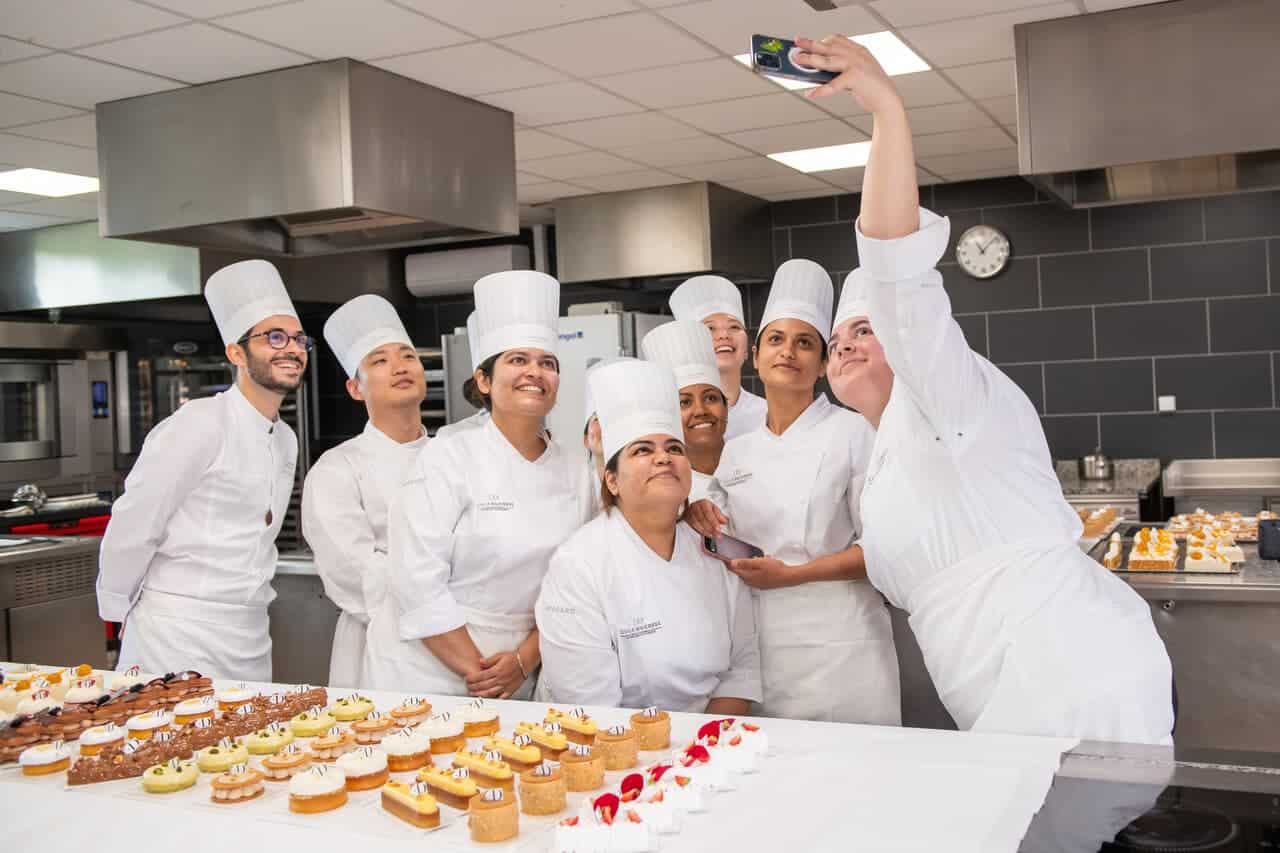
Chefs today are combining traditional techniques with the latest innovations to meet evolving consumer preferences, which include more interest in international cuisines, locally sourced ingredients and health-boosting dishes.
Whether you're drawn to smart kitchens, sustainable foods or the art of culinary storytelling, staying on top of the latest gourmet trends can inspire smarter, more creative decisions. Understanding how these trends align with your career as a chef can support your professional development in the food industry. This article explores the eight key trends set to shape the future of the culinary world.
1. Sustainability as a culinary imperative
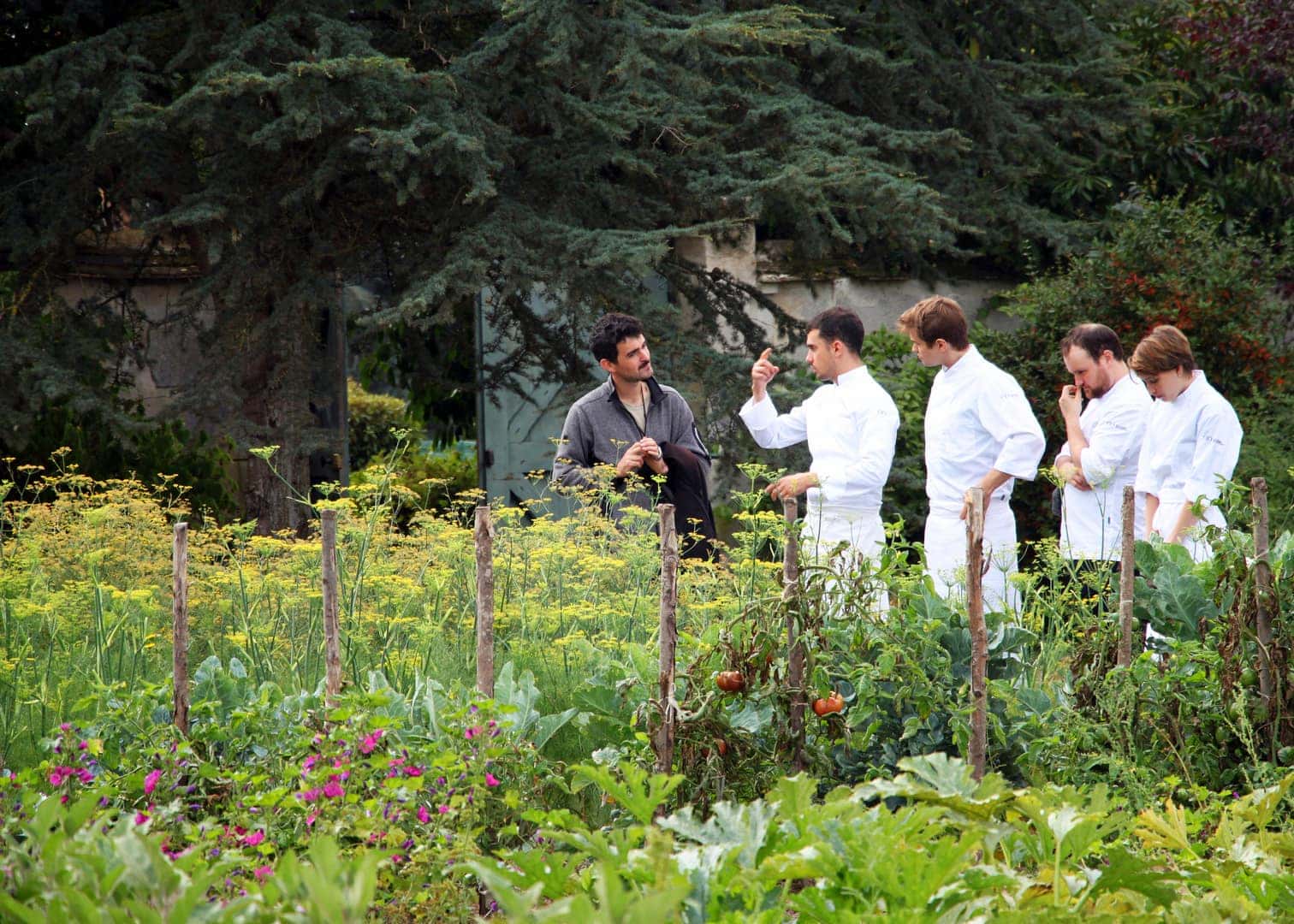
In many restaurants, environmental responsibility has become a core principle. Chefs are reimagining how food is sourced, prepared and presented to meet modern sustainability standards. Movements such as farm-to-table, root-to-stem cooking and zero-waste practices that minimize food waste are also gaining traction.
Top kitchens are increasingly favoring hyper-local ingredients, whether that’s wild herbs and foraged greens, seafood from nearby coasts or seasonal produce from the surrounding area. Renowned chefs such as Alain Ducasse have built their reputations on sourcing directly from food markets and local farmers, championing the belief that flavor begins at the source.
Sustainability also involves reducing the kitchen’s carbon footprint. This includes:
- Using energy-efficient equipment
- Reducing packaging
- Incorporating architectural changes, such as rooftop gardens or installing solar panels to power kitchen operations
For chefs aiming to master low-impact cooking, traditional skills remain essential. The core principles of French culinary techniques, such as handling ingredients with care and using whole animals and vegetables, remain highly influential. At the same time, a solid understanding of the science of cooking supports smarter, more waste-conscious decision making.
2. Plant-based innovation in fine dining
A movement that combines health, animal welfare and climate-conscious cooking has become an emerging force in gourmet cuisine. Leading restaurants are now crafting elegant, multi-course menus using meat alternatives, fermented products and superfoods such as seaweed varieties and activated charcoal. While relying solely on plant-based ingredients may seem limiting, these constraints can also inspire greater creativity and innovation.
Top establishments in culinary capitals are embracing vegan and plant-based diets without sacrificing flavor or artistry. Rather than simply removing meat, chefs promote texture and natural umami by incorporating elements such as nixtamalized corn dough, fire-roasted vegetables and herbal infusions. The result is fine dining that appeals equally to food lovers and wellness-minded guests.
In top schools, culinary students are now trained to execute plant-forward menus with finesse. Programs such as Baking and Pastry Arts teach the art of building complex flavor profiles using ingredients such as seasonal fruit, floral syrups and vegan butters. Likewise, the Bachelor's in Culinary Arts offers in-depth training in plant-based pastry, food styling and plating techniques.
3. Tech-driven kitchen innovation
Technology is rapidly becoming a defining feature of modern kitchens, transforming how chefs operate and how guests engage with and experience food. Examples of tech-driven kitchen innovations include:
- Digital tools such as AI-assisted recipe planning and QR code-enabled menus
- Cutting-edge kitchen appliances, such as 3D printers for creating custom chocolate molds or personalized garnishes
- Automation tools, including robotic cooking arms and automated prep stations, which help chefs scale operations and reduce human error
- Data analytics on purchasing patterns, table flow and food preparation timing to optimize operations
Our Culinary Arts degree offers exposure to smart kitchen layouts and innovation labs, ensuring the next generation of chefs is well-equipped to thrive in a technology-driven culinary landscape.
4. Cultural crossover and global fusion
The blending of flavors and techniques from different countries is one of the most exciting culinary trends today. Chefs are combining cuisines in creative ways, such as adding Japanese touches to French dishes or using Latin ingredients in European recipes. Examples include:
- Ginger-flavored risotto
- Aveyron-style crepes with gochujang (a Korean chili paste)
- Savoyard fondue topped with spiced lentils
Fusion cooking is also about sharing stories of travel, migration and collaboration. That’s why it’s important for chefs to be respectful and thoughtful about the cultures and traditions from which they draw inspiration.
At the best culinary schools in France, students learn classic French cooking, but they’re also encouraged to experiment with bold global flavors, always while respecting the original traditions.
5. Artistic expression and storytelling
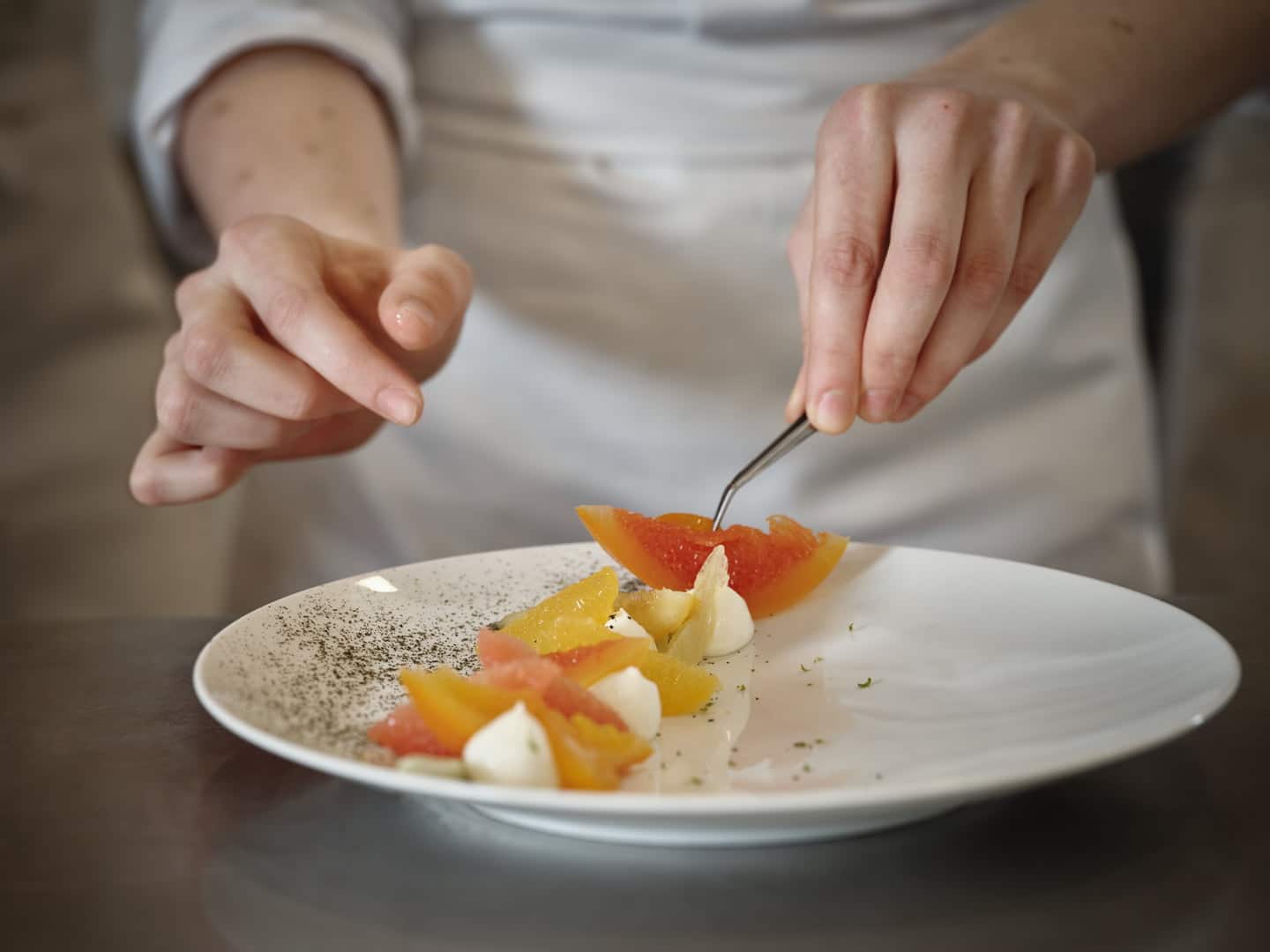
In modern fine dining, food is a visual and emotional journey. Chefs are combining culinary storytelling with artistic expression to create multisensory experiences that engage all five senses. Menus are now being designed as narratives, with each course representing a chapter, a memory or a cultural theme.
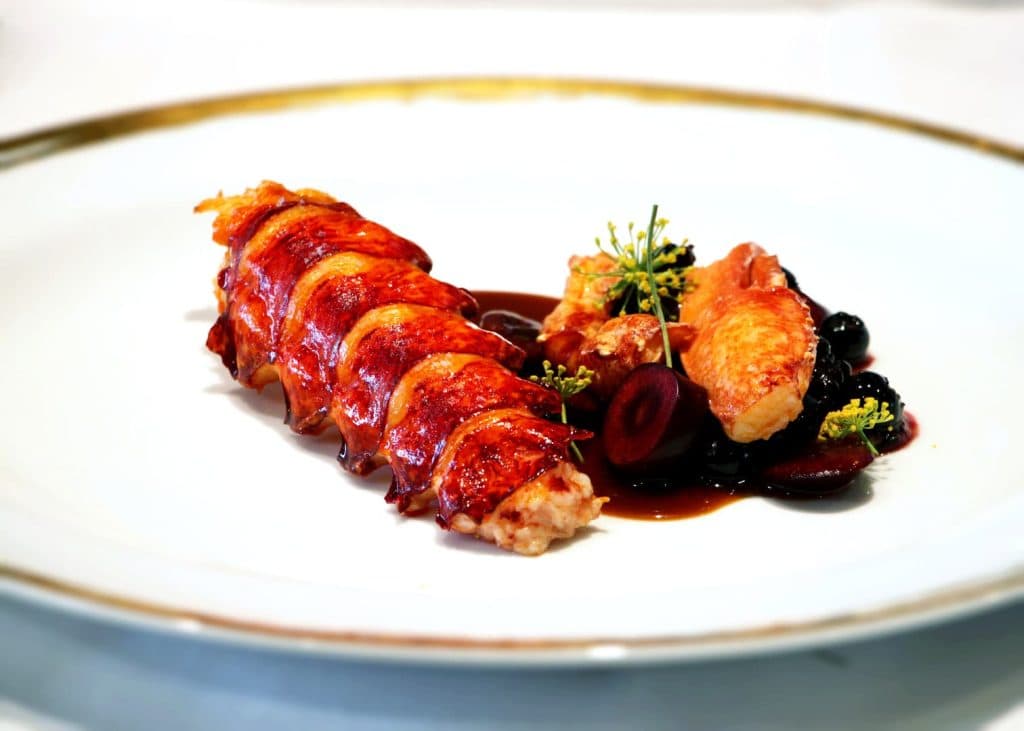
To enhance this experience, chefs use techniques such as theatrical plating and open-fire cooking as well as sensory elements such as aromas, sounds or table-side narration. These immersive touches are especially popular in high-end restaurants that focus on personalized service and unique presentation.
This trend is also driven by how people share their food experiences online. Dishes are now designed to be ‘Instagram-worthy’, encouraging diners to post pictures and reviews to create a buzz. How food looks has become as important as how it tastes, meaning chefs must think like designers, not just cooks.
Creating these experiences requires a good command of culinary fundamentals. That’s why Ecole Ducasse's chef skills guide emphasizes key areas such as plating, timing and culinary creativity, all essential for telling stories through food.
6. Health, wellness and functional foods
Menus now frequently include fermented foods, adaptogens and functional mushrooms, all known for supporting gut health and the immune system. Food is now being judged by how it benefits your health as well as for its taste and appearance.
Chefs are using superfoods and fermentation to create bold flavors without relying on heavy sauces or added sugar. Examples include miso glazes, house-pickled vegetables and kombucha-based dressings. Wellness dining also includes low- or no-alcohol drink pairings that keep the meal sophisticated and balanced.
As an example, Noma is leading the way by investing in research kitchens to study key areas, such as seasonal fermentation and nutrient preservation. This is helping the restaurant create meals that support health while also offering a unique flavour profile.
For those interested in launching their own wellness-focused eateries, a solid grasp of culinary fundamentals, nutrition and business planning is essential. Learning how to start a restaurant that caters for this trend involves creating a detailed business plan, choosing the right location, building a cohesive team and developing a brand that reflects your wellness values.
7. The rise of food entrepreneurship
Today’s chefs are finding new and creative ways to build their businesses. Many are using social media platforms such as TikTok and Instagram to grow their brands, even before opening a physical location.
Pop-up events, supper clubs and food trucks are now popular testing grounds, allowing chefs to try out new menu ideas, gather feedback and build a loyal community.
Some chefs are launching unique food brands, such as craft limoncello, gourmet sandwiches or clarified cocktails. Others are creating edgy burger concepts, shaped by community input and real-time responses. Food trucks such as Kogi in Los Angeles and Camion Qui Fume in Paris show how individual creativity can drive large-scale success.
Many modern chefs are also selling directly to consumers, offering products such as spice blends, seaweed snacks or subscription food boxes. They use online tools for ordering, customer engagement, reservations and marketing.
To support this trend, culinary schools are now teaching food entrepreneurship, with courses that include branding, storytelling, pricing and communication skills. This helps entrepreneurial chefs launch ventures with considerable potential and pitch their ideas effectively to potential partners and investors.
8. Education and the future of culinary creativity
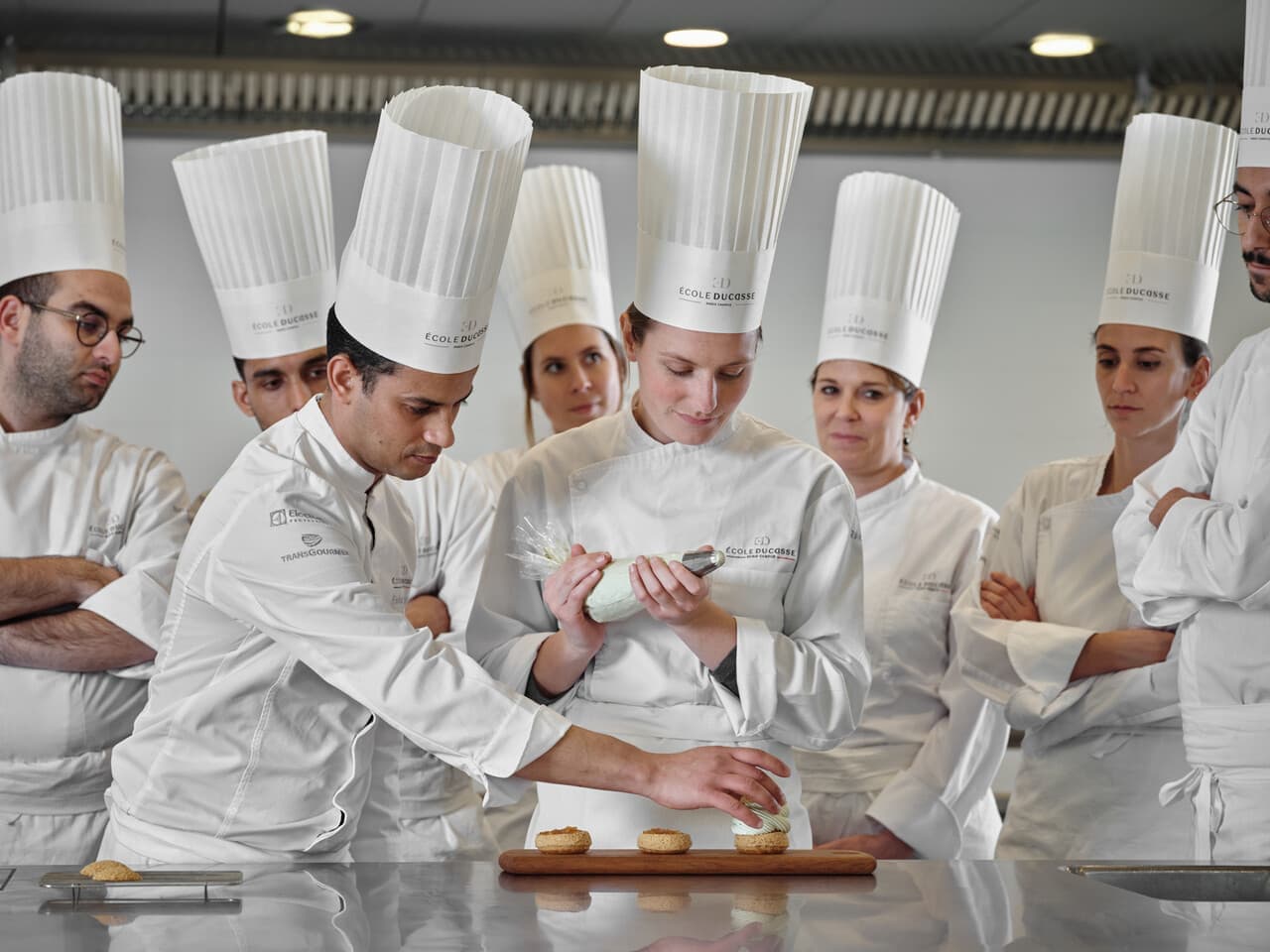
Leading culinary schools are updating their programs to keep pace with the rapidly evolving food industry. Students still receive plenty of hands-on kitchen training and experience, but now they also learn about trends, how to observe and experiment and how to use digital tools and consumer data. Sustainability is a big focus too.
Students work with rooftop gardens, urban farms and community-supported agricultural suppliers to understand where food comes from. They also learn about eco-friendly packaging, energy-saving kitchen design and the role of local ecosystems in flavour sourcing.
The Higher Diploma in Pastry Arts exemplifies this new direction in culinary education. The program combines traditional techniques with modern creativity and innovation, integrating new trends in French pastry, sustainability practices and entrepreneurship.
Why these trends matter to chefs
Culinary developments reveal what people care about, whether it’s wanting to feel good about what they eat or sharing something unique with friends and followers online. These trends shape what diners expect and chefs need to stay ahead of them.
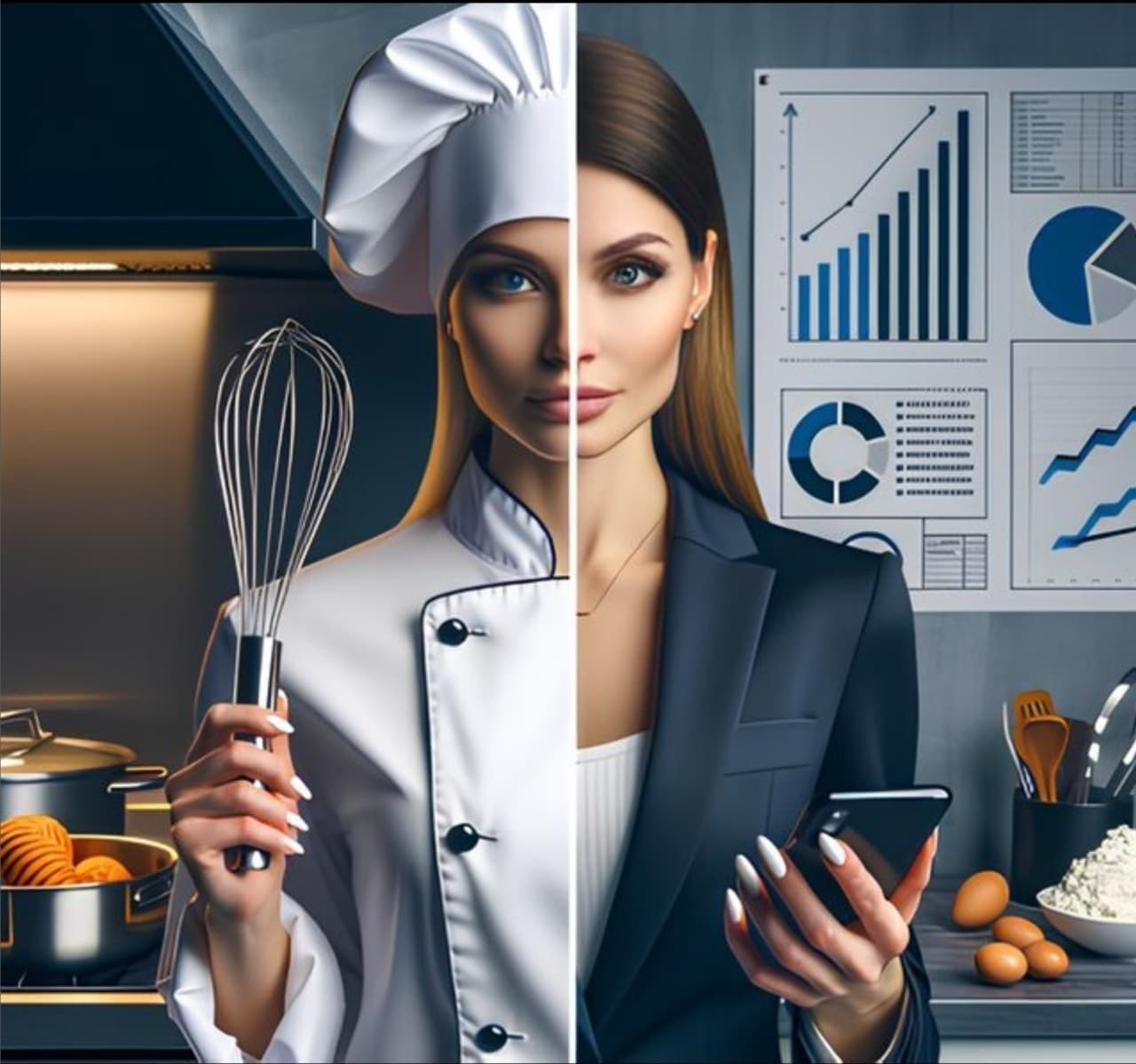
To succeed, chefs must be innovators, storytellers and experience designers as well as experts in cooking. They need to strike a balance between tradition and creativity while embracing modern tools. That means knowing when to serve a timeless dish such as cheese soufflé and when to take a bold step with something new.
Food trends are often rooted in deeper stories about values, identity and culture. Whether you're preparing Savoyard fondue in a Paris-style setting or reimagining hot dogs at a pop-up, understanding the meaning behind these trends helps chefs create dishes that resonate with modern diners.
Leading the culinary trends of tomorrow
The food world is changing fast. Cultural exchange, digital tools and sustainability are reshaping how we cook and eat. One thing is sure: the chefs who thrive will be the ones who stay curious, adapt quickly and create with purpose.
Whether you're a student just starting out, a passionate home cook considering culinary school or a seasoned chef exploring new styles, understanding food trends helps you stay ahead. These developments reflect how people around the world are eating, living and connecting.
What you choose to cook, share and serve has the power to shape how people live and how they feel all over the world.