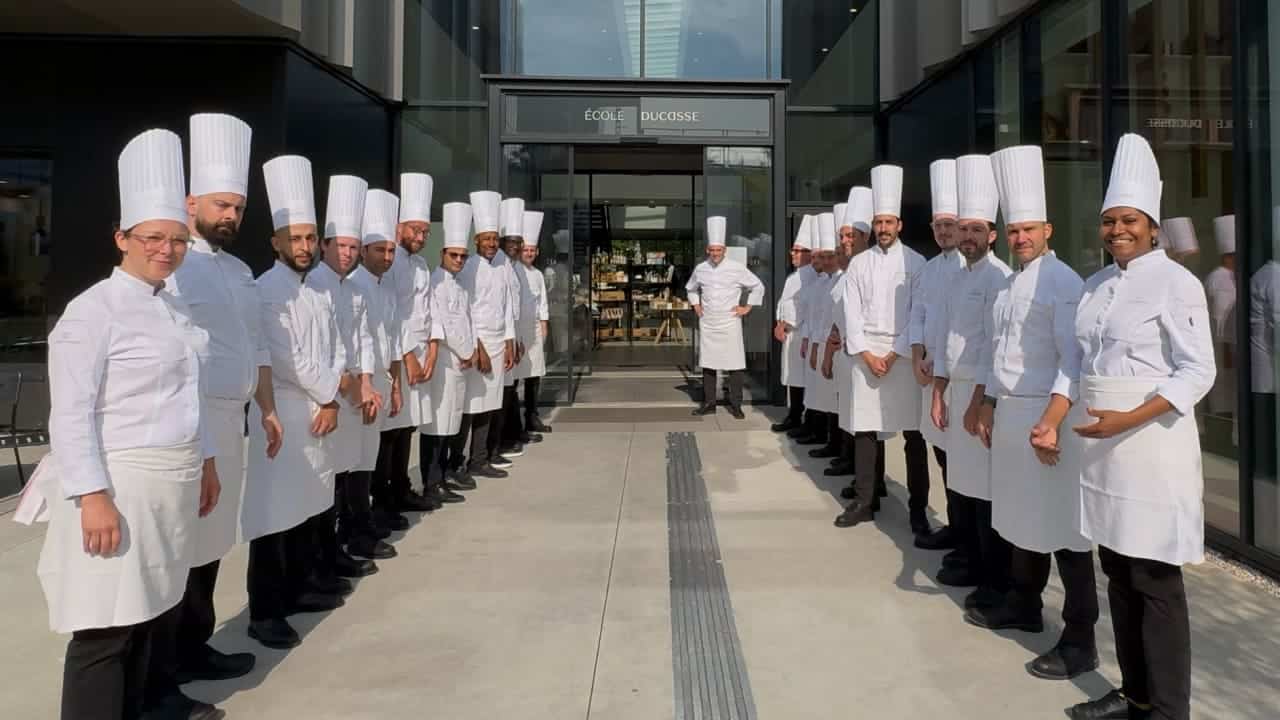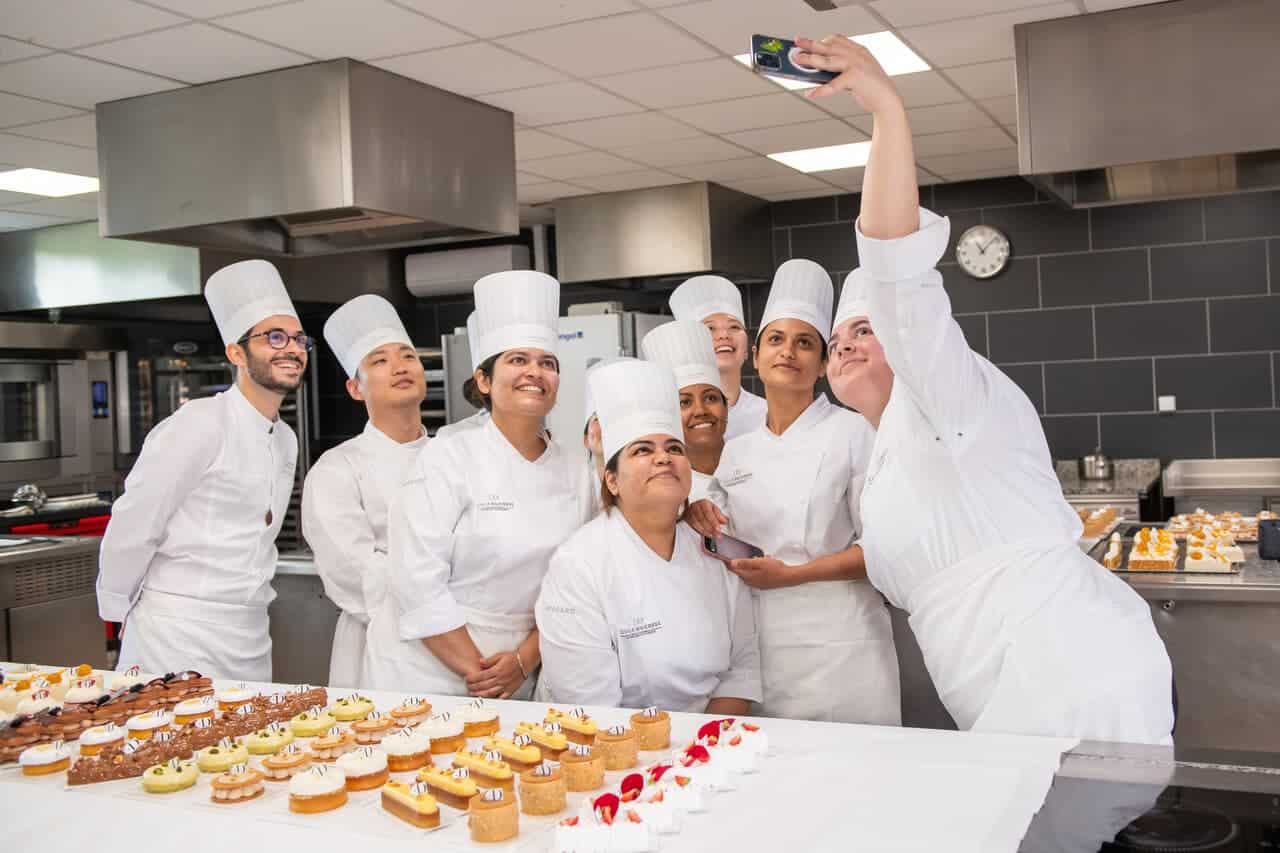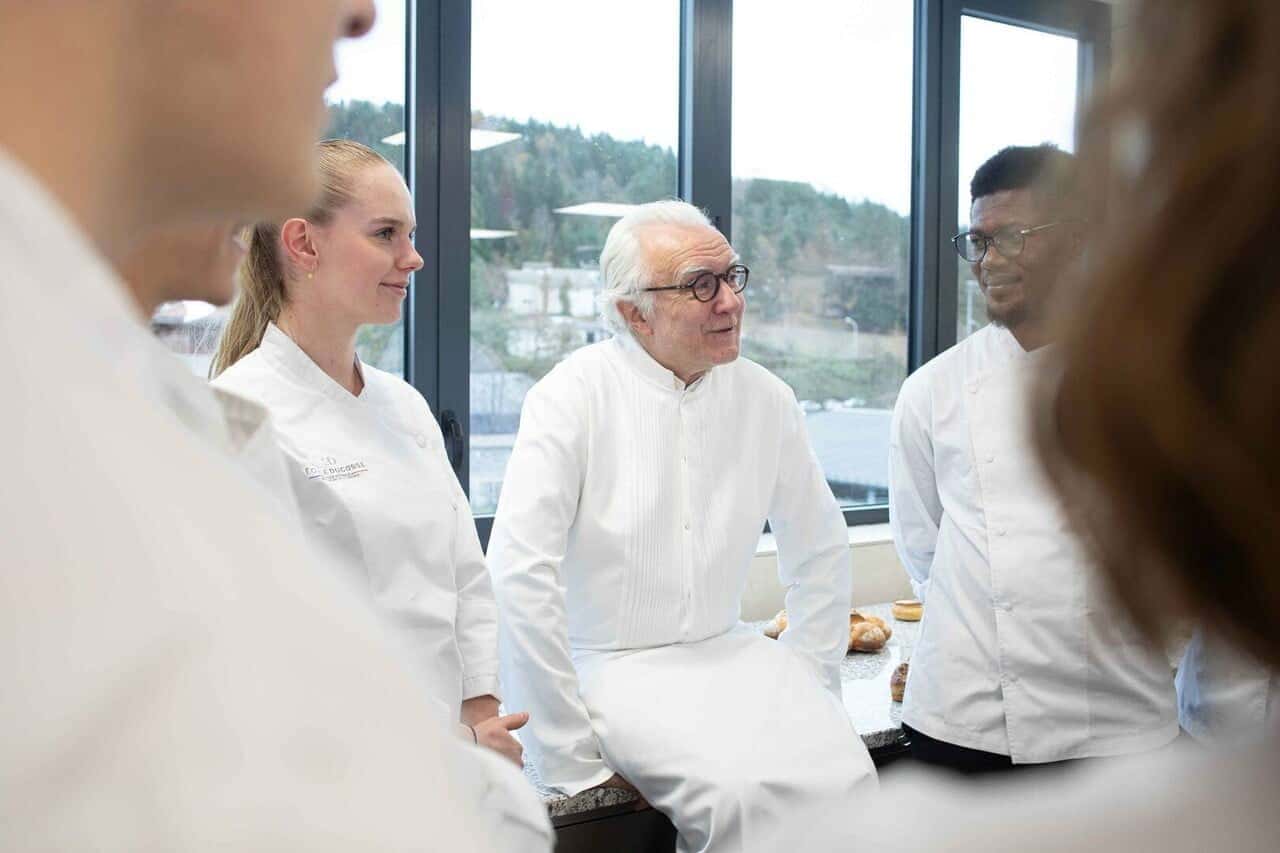
But what makes this place different from other culinary schools? If you are considering an investment in a culinary education, the way these chefs teach could be the deciding factor. This article takes you inside the École Ducasse classroom experience and explores why it matters for your future career.
Learning from masters: why mentorship defines École Ducasse
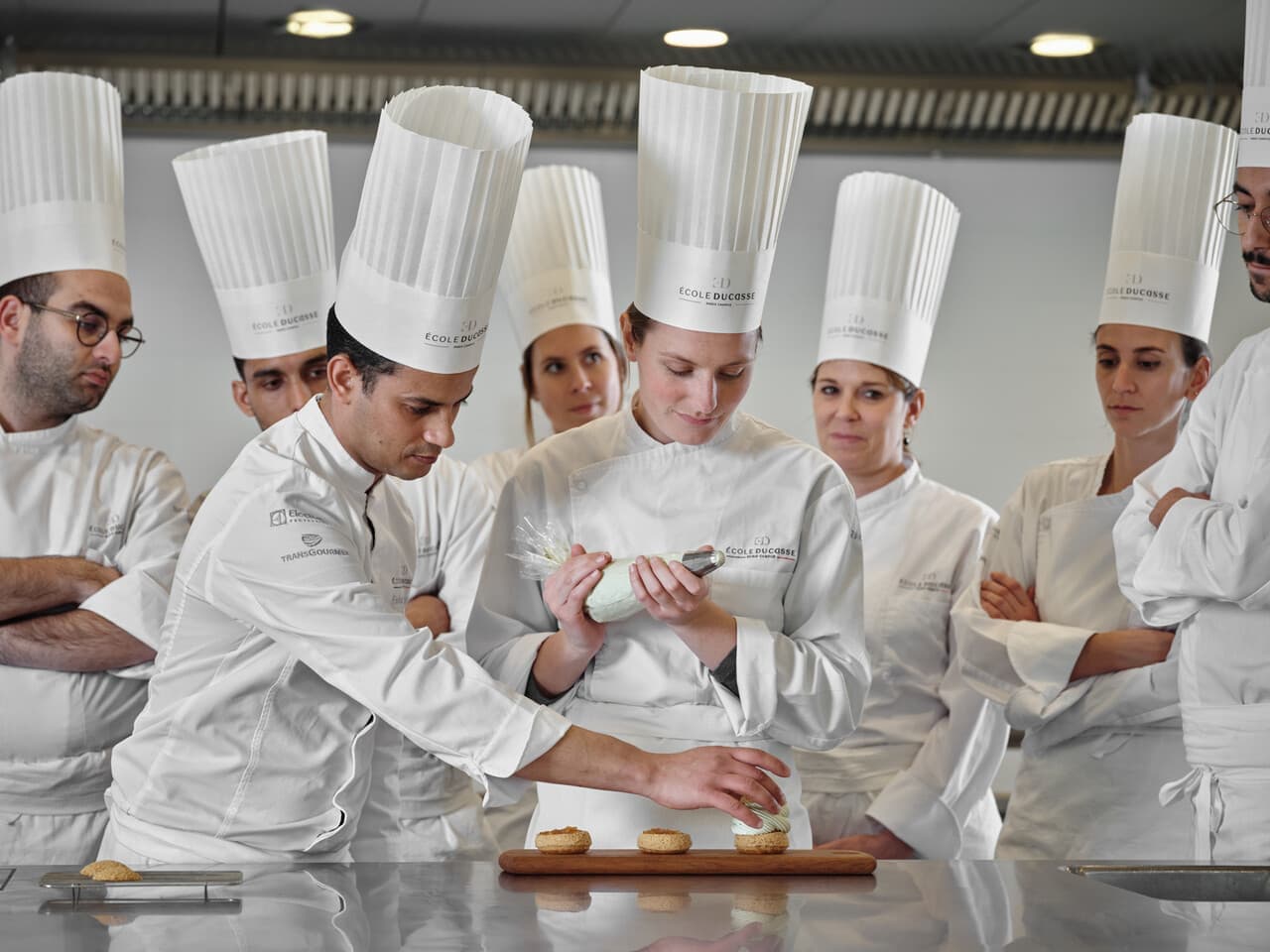
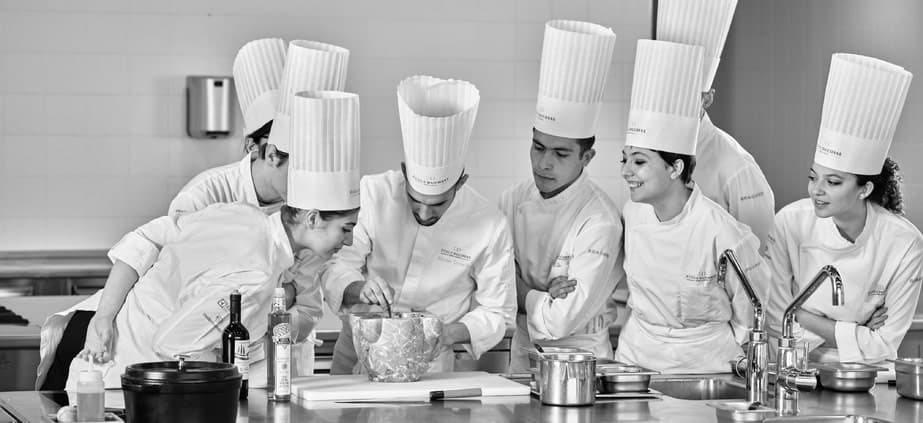
Master chef instruction creates an environment where expertise passes directly from accomplished professionals to eager students. Unlike standard culinary education, this approach ensures one-on-one guidance that develops chef skills and a professional mindset.
The mentorship approach includes:
Step-by-step coaching
Chef instructors demonstrate each part of the process in detail, from knife precision to sauce reduction, then guide students through repeated practice. By breaking complex methods into smaller actions, learners gradually achieve consistency that reflects the standards of French culinary expertise.
Feedback in real time
During service simulations and lab sessions, chefs provide immediate critique. They give corrections to posture, timing or seasoning on the spot so students build resilience and adaptability under pressure.
Linking craft to philosophy
Mentorship is also grounded in the Alain Ducasse culinary philosophy, which promotes respect for ingredients, precision in execution and creativity guided by purpose. A student may begin with a classical French sauce, but under a chef’s direction, they are challenged to adjust flavor profiles and test modern variations without losing authenticity.
Through this combination of coaching, critique and philosophy, students discover that technical mastery and creative exploration develop at the same time. The mentorship model ensures graduates leave with skills that reflect the best of tradition while preparing them to contribute new ideas to the industry.
Meilleurs Ouvriers de France: learning from the elite
Among the highest honors in the French culinary arts, few achievements signal mastery as much as being awarded the MOF title. These chefs represent the pinnacle of national recognition and are renowned for extraordinary craftsmanship and dedication. Training under MOFs gives students access to insights that cannot be found in textbooks, such as:
Heritage in practice
MOFs safeguard the traditions that define French culinary expertise. Students learn fundamentals such as terrines, pâtés and classic sauces, replicating them with exact precision. Each lesson is rooted in authenticity, ensuring students understand why these recipes are benchmarks and how generations of chefs perfected them.
Innovation through challenge
Students may be tasked with modernizing a classic recipe or designing a seasonal reinterpretation. By combining French cooking techniques with creative freedom, MOFs teach that excellence comes from respecting the past while pushing culinary expression forward.
Standards that build resilience
Training under MOFs is demanding. Mistakes are analyzed in detail and every service simulation requires learners to adapt quickly. These standards prepare future chefs for the pressures of Michelin-level environments where speed, precision and creativity must operate in harmony.
The influence of MOFs extends beyond individual lessons. Graduates who train under their guidance carry a credential that signals credibility worldwide, while also gaining access to professional networks that open doors across fine dining, patisserie and luxury hospitality.
Inside the classroom: techniques taught by École Ducasse chefs
Direct instruction from master chefs transforms theory into practical mastery through structured learning that combines demonstration, practice and immediate feedback.
The curriculum guided by École Ducasse chefs covers savory and pastry disciplines. To build reliable kitchen instincts, the classroom sequence focuses on the following technique blocks:
- Knife precision: proper grip, stance and cutting techniques through daily practice under chef supervision. This includes mastering julienne, brunoise, chiffonade and batonnet cuts while developing the speed and accuracy required for professional kitchen service
- Sauce mastery: the five mother sauces are fundamental and students practice emulsification, reduction and seasoning adjustments until consistency becomes automatic. Chef instructors demonstrate troubleshooting techniques for broken sauces while explaining the scientific principles behind them
- Heat control: understanding how different proteins, vegetables and grains respond to various cooking methods through hands-on practice. Students learn to recognize visual and auditory cues that indicate optimal doneness while mastering temperature management
- Pastry expertise: lamination techniques for croissants and puff pastry through repetitive practice until layers achieve professional standards. Students master butter incorporation, temperature control and precise folding methods that create flaky, structured textures
- Sugar work: advanced techniques including caramelization, spun sugar and sugar pulling require careful instruction to achieve consistent results. Chef instructors guide students through temperature monitoring, timing and handling methods
- Chocolate tempering: understanding crystallization science to create stable chocolate preparations with proper gloss and snap. The baking and pastry arts course covers these advanced techniques through expert instruction
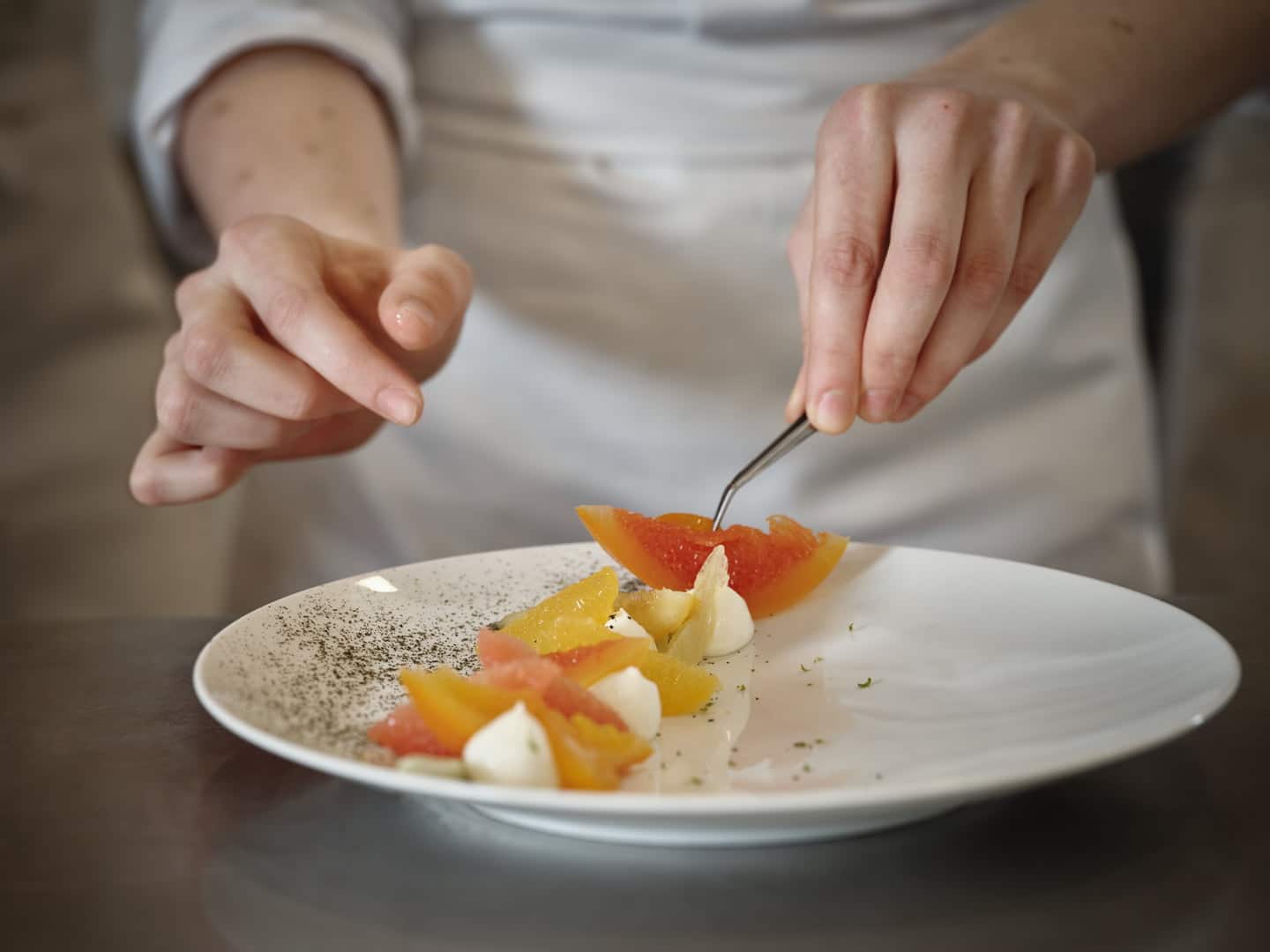
- Plating aesthetics and sensory development: visual composition, texture balance and flavor harmony developed through structured exercises that train technical execution and artistic vision
By combining repetition, critique and science-based explanation, this stage of the course ensures students leave with skills that can be relied upon in the pressure of professional kitchens.
Alain Ducasse's culinary philosophy in practice
The teaching approach at École Ducasse is rooted in values that shape technique and character. It connects French culinary arts with a philosophy that asks chefs to consider why they cook, how choices affect the world around them and what kind of experience their food delivers. Lessons built around the Alain Ducasse culinary philosophy are reinforced daily in the kitchen, ensuring students learn discipline while also cultivating vision.
The philosophy comes to life through three interconnected principles:
- Sustainability, storytelling and seasonal ingredients: teachers encouraged students to make ingredient choices that reflect environmental responsibility and cultural authenticity. This includes working with local producers, evaluating supply chains and selecting seasonal produce that brings natural flavor
- Tradition blended with global influences: students practice classical French foundations until they can reproduce them consistently. From there, chefs introduce global inspirations and modern adaptations. A terrine or sauce may begin in the traditional form, then evolve through new flavor structures or equipment. This is where the science of cooking is applied, as students explore why emulsions hold or why certain flavor pairings succeed, gaining the confidence to adapt methods without losing integrity
- Creating cuisine with meaning: beyond technical repetition, students learn to design food that communicates identity. Menus are treated as stories and plating becomes a way to express emotion or concept. The goal is not simply to feed but to connect with diners on a deeper level through choices in flavor, form and presentation
By combining sustainability, technical understanding and creative intent, students discover how philosophy shapes daily practice. The result is a training model that moves beyond recipes, preparing chefs to lead kitchens with technical command and artistic purpose.
Beyond technical mastery: entrepreneurial and leadership skills
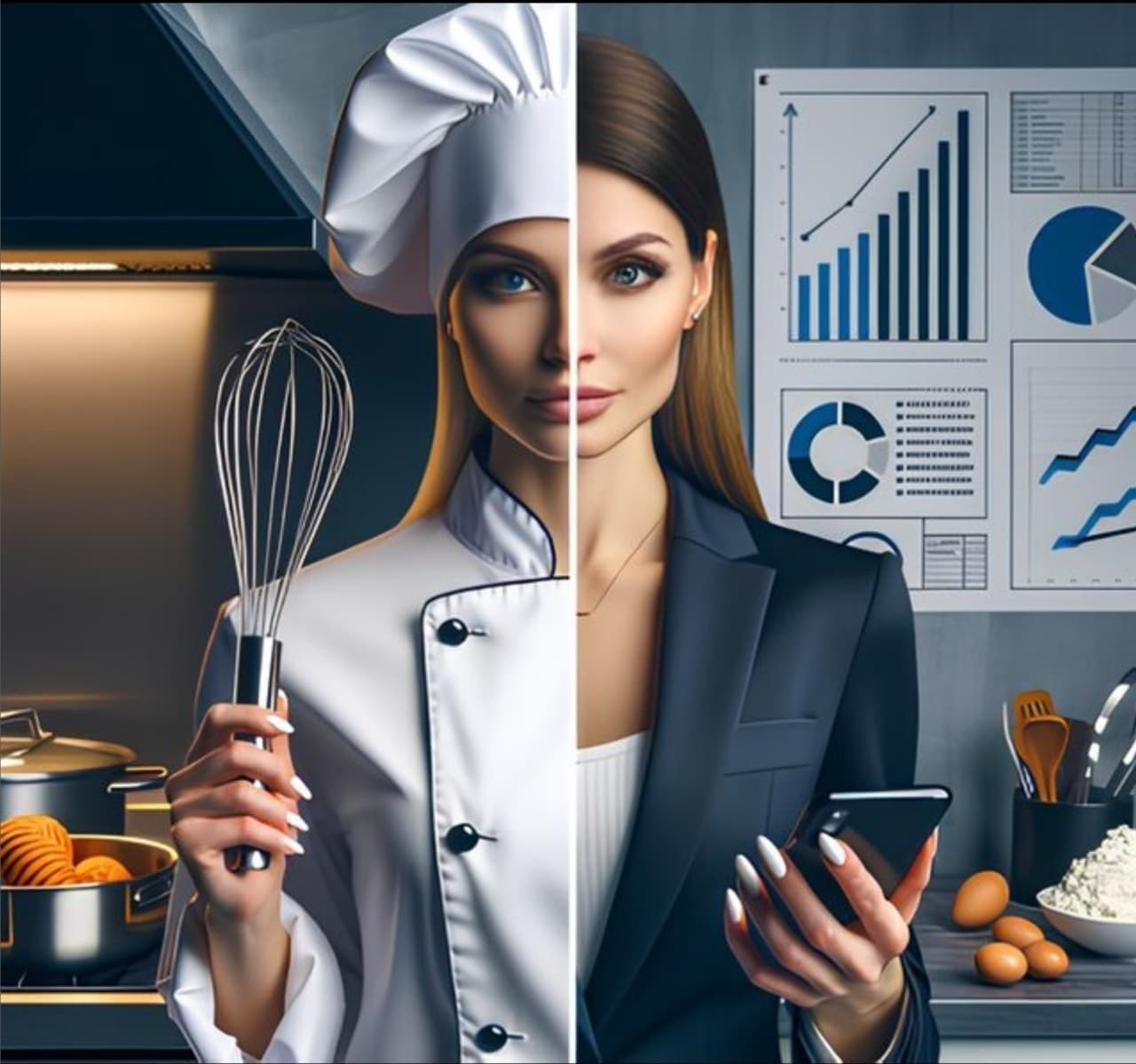
Technique brings guests to the table but strong business practice keeps the doors open. This is why a professional culinary program also develops managerial and entrepreneurial skills, teaching students to run kitchens with financial discipline, strong leadership and a clear business vision. This ensures chefs can move confidently into management or ownership roles.
The training concentrates on three areas:
- Menu planning and cost control: learners calculate yields, manage supplier relationships and design menus that balance flavor with profitability. In so doing, they gain practical insight into food entrepreneurship and how to start a restaurant, where creativity is shaped by market realities and financial discipline
- Concept development and ownership preparation: many students aspire to open restaurants or bakeries and training shows them how to build that vision step by step. They work through feasibility studies, financial projections and operational planning. This exposure connects classroom lessons to the practical challenges of ownership
- Communication and leadership: running a kitchen means leading people as much as preparing food. Students also learn business communication skills, practicing how to brief teams, resolve conflicts and motivate staff in high-pressure environments. These lessons highlight how tone, clarity and empathy directly influence service culture and guest loyalty
By combining financial awareness, entrepreneurial planning, clear communication and technical refinement, the program ensures graduates can step into leadership with confidence and vision.
Innovation labs and real-world immersion
A defining feature of École Ducasse is its focus on application. Students have opportunities to experiment with modern tools in professional kitchens and real-world industry settings. These experiences are tied to genuine service simulations where chefs oversee execution.
Students also benefit from:
- Exposure to cutting-edge culinary innovation labs: students work with state-of-the-art equipment including sous vide systems, liquid nitrogen applications and precision fermentation tools. Chef instructors demonstrate how these technologies enhance traditional techniques while maintaining food safety and consistent quality
- Hands-on training through internships and chef-led workshops: real restaurant environments provide students with experience managing actual service demands while applying classroom learning. Master chefs guide students through high-pressure situations, teaching crisis management and maintaining quality under realistic conditions
- Student stories showcasing practical learning with expert chefs: individual mentorship creates transformational stories where students overcome technical challenges and develop confidence through direct guidance from accomplished professionals. These experiences illustrate how master chef instruction accelerates skill development and professional readiness
These immersive practices strengthen adaptability and prepare students for employment.
How École Ducasse chefs shape global careers
Graduating from this school shows students have received a level of training that employers worldwide immediately recognize. The influence of Meilleurs Ouvriers de France and Alain Ducasse–trained instructors is unparalleled and it shows in the careers graduates build.
Students leave with a balance of technical precision, creative identity and global readiness that translates directly into employment outcomes described in this chef career guide. These outcomes span a wide range of professional avenues, including:
- Fine dining: many graduates lead sections in prestigious restaurants where exacting standards demand flawless technique and artistic presentation. The ability to combine classical training with modern interpretation distinguishes those who studied at École Ducasse
- Food innovation: some pursue research and product development, designing new recipes, flavors and preparation methods that meet evolving market demands. Their grounding in French culinary expertise allows them to balance tradition with experimentation
- Luxury hospitality: managing pastry departments in five-star hotels and resorts where consistency, creativity and operational efficiency are equally important. Master chef training provides the leadership skills and technical capabilities required for these demanding positions
- Entrepreneurship: others choose independence, establishing restaurants, catering ventures or artisanal food businesses. Their education combines refined technique with the managerial and entrepreneurial skills needed to sustain a profitable enterprise
Because École Ducasse maintains international links, graduates benefit from alumni connections and industry placements that extend across Europe, Asia and the Americas. This global reach allows them to build careers that are versatile and sustainable, with pathways that evolve as ambitions expand.
Shape your future with expert mentorship
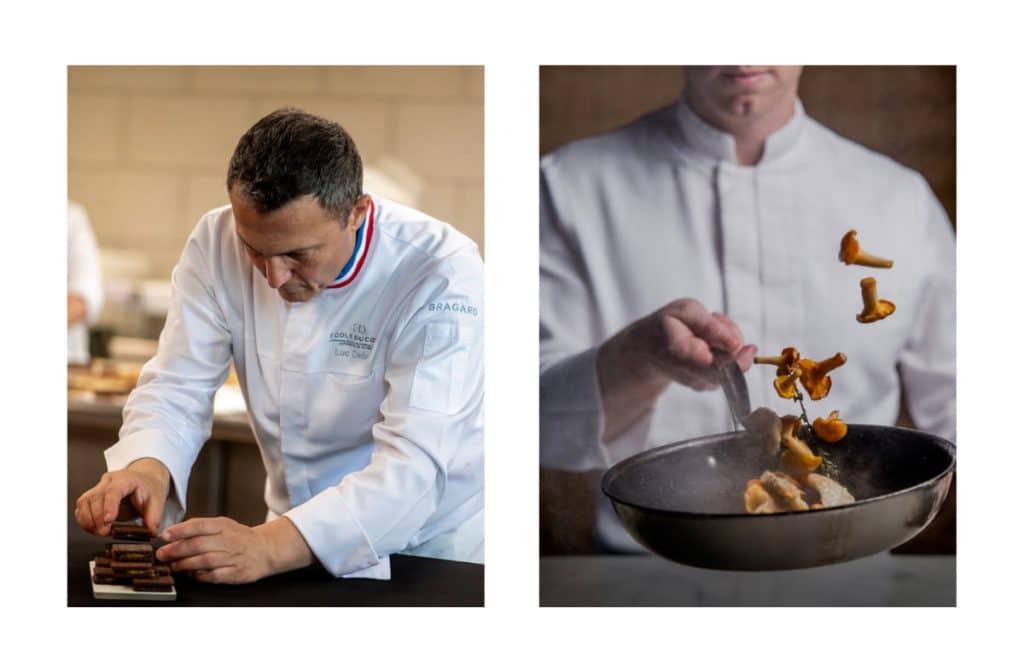
Every aspiring chef faces a choice: pursue techniques through trial and error or learn within kitchens guided by master instructors who have already shaped global standards. Training under MOFs and Alain Ducasse–trained chefs places you in an environment where discipline and creativity are taught together, so every skill you acquire is reinforced by practice.
The difference shows when you enter the industry. Employers value graduates who arrive with refined technique, the ability to adapt under pressure and the mindset to lead. By choosing structured training at École Ducasse, you give yourself the foundation to grow from student to professional with credibility that’s recognized across borders.
If you are ready to move from aspiration to execution, this is where that journey begins.