The truth is, not all pastry schools are the same. Some keep the focus on basic recipes. Others push students through intensive kitchen modules, demanding precision, creativity and the discipline required for success in fast-moving commercial kitchens.
If you’re considering this path and want to know what kind of training truly sets professionals apart, keep reading. This guide explains what a professional pastry course covers, how it develops technical and creative skills and why the right program can set the tone for an entire career.
Core curriculum: the techniques you will master
A professional baking and pastry arts course is about mastery of the fundamentals. Before advancing to artistic work, students move through the following pillars of technique, each designed to build precision and consistency:
- Temperature control: students learn sugar stages, chocolate crystallisation and custard stability until they can recognize each transformation on sight and achieve consistent results under pressure
- Doughs and lamination: croissants, puff pastry and pains au chocolat demand precise folding and fermentation. Students repeat these methods until layers, structure and rise meet exacting standards, a hallmark of French baking techniques
- Emulsification: creams, sauces and ganache rely on stable emulsions. Students learn how fat and liquid bind, ensuring smooth textures that hold during preparation and service
- Foundation pastries: classics such as éclairs, mille-feuille and fruit tarts require piping accuracy, even baking and flawless finishing. These recipes test patience and attention to detail and prepare students for more advanced work
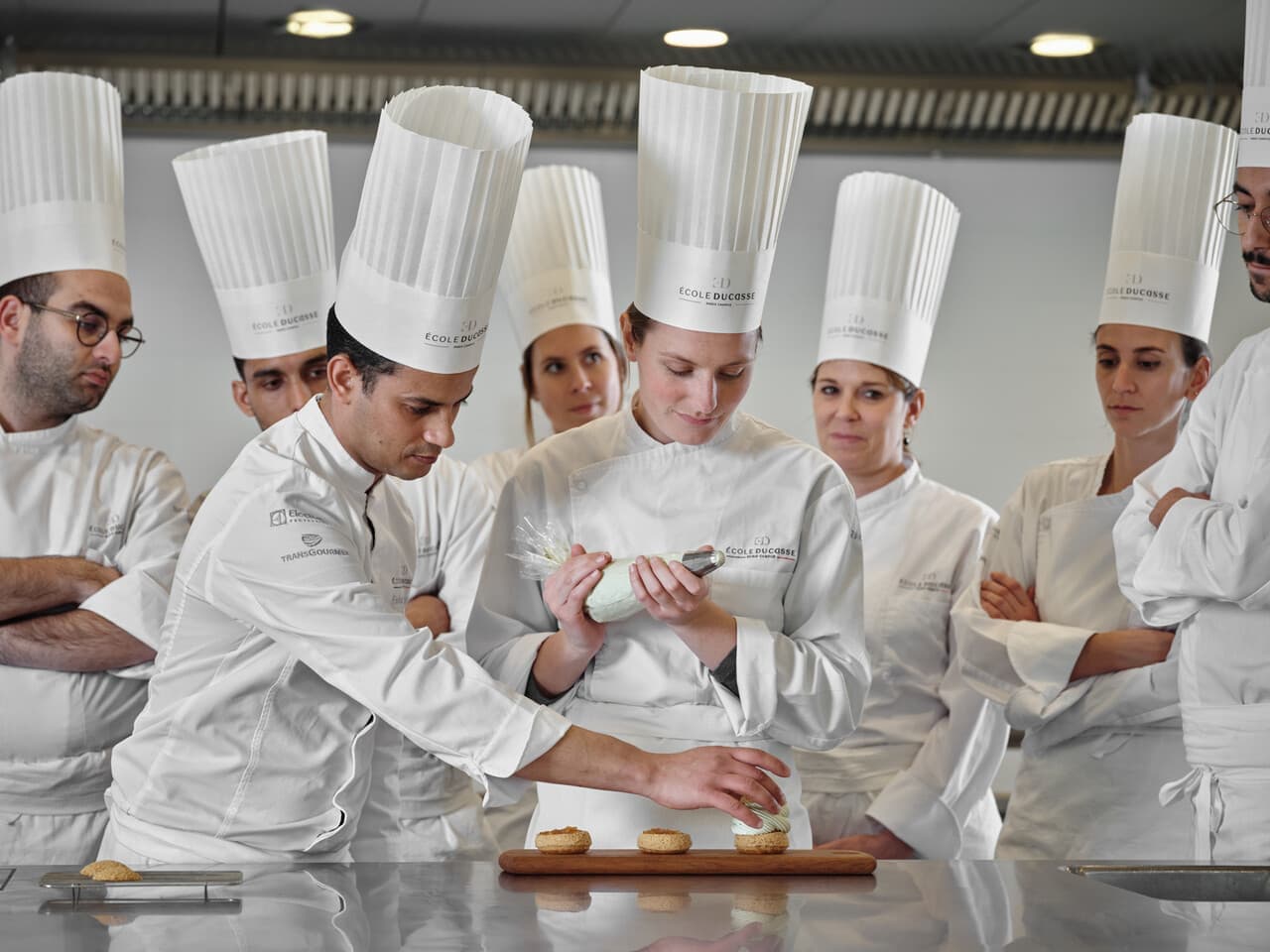
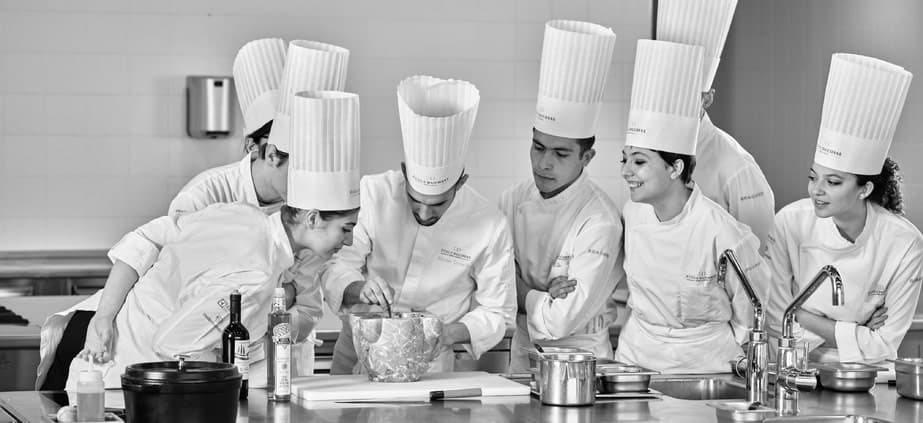
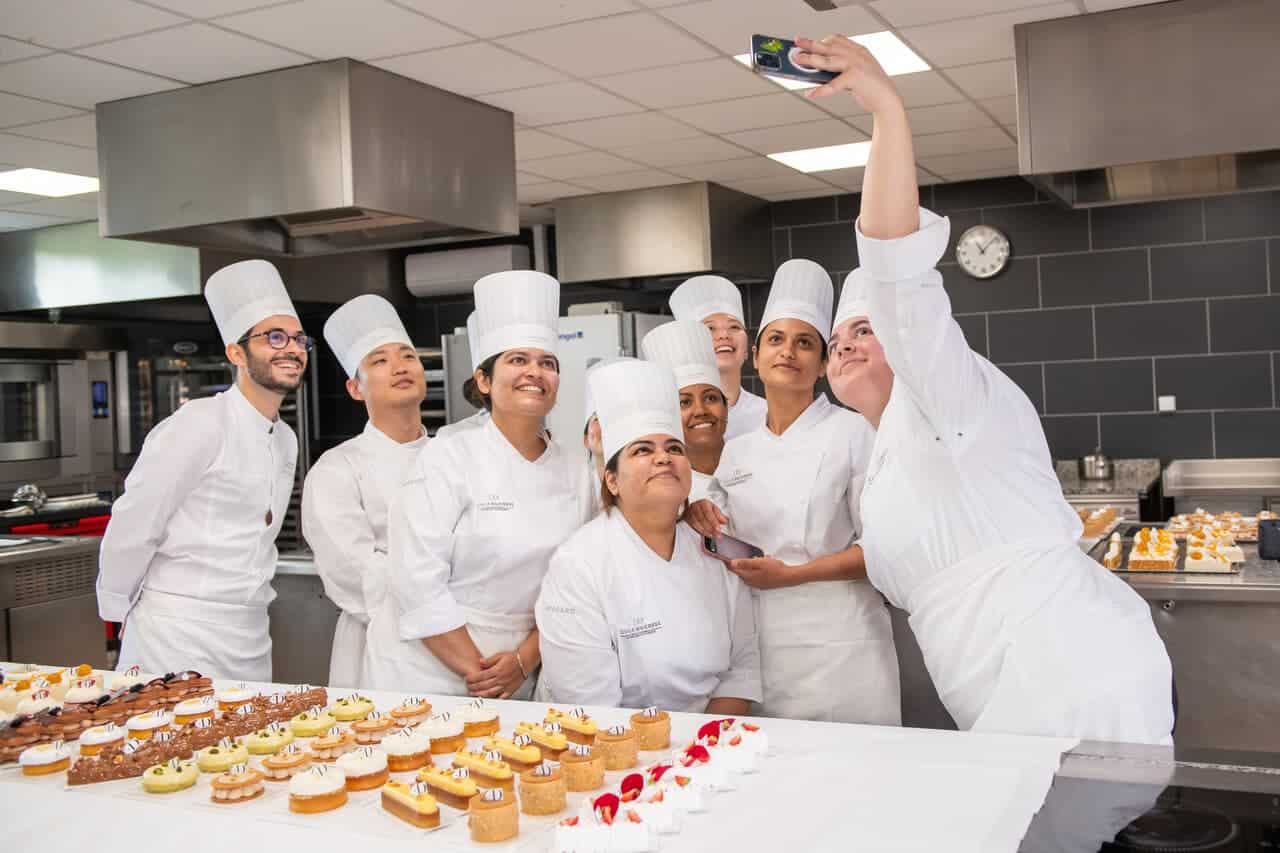
Training takes place in commercial kitchens designed to mirror professional environments. Students gain confidence by producing work to high standards under time constraints, while chef instructors provide critiques that sharpen skill and mindset.
Chocolate, sugar and confectionery artistry
After the fundamentals, many professional pastry courses go on to cover chocolate and confectionery arts. These modules demand patience, creativity and precision. Students progress through:
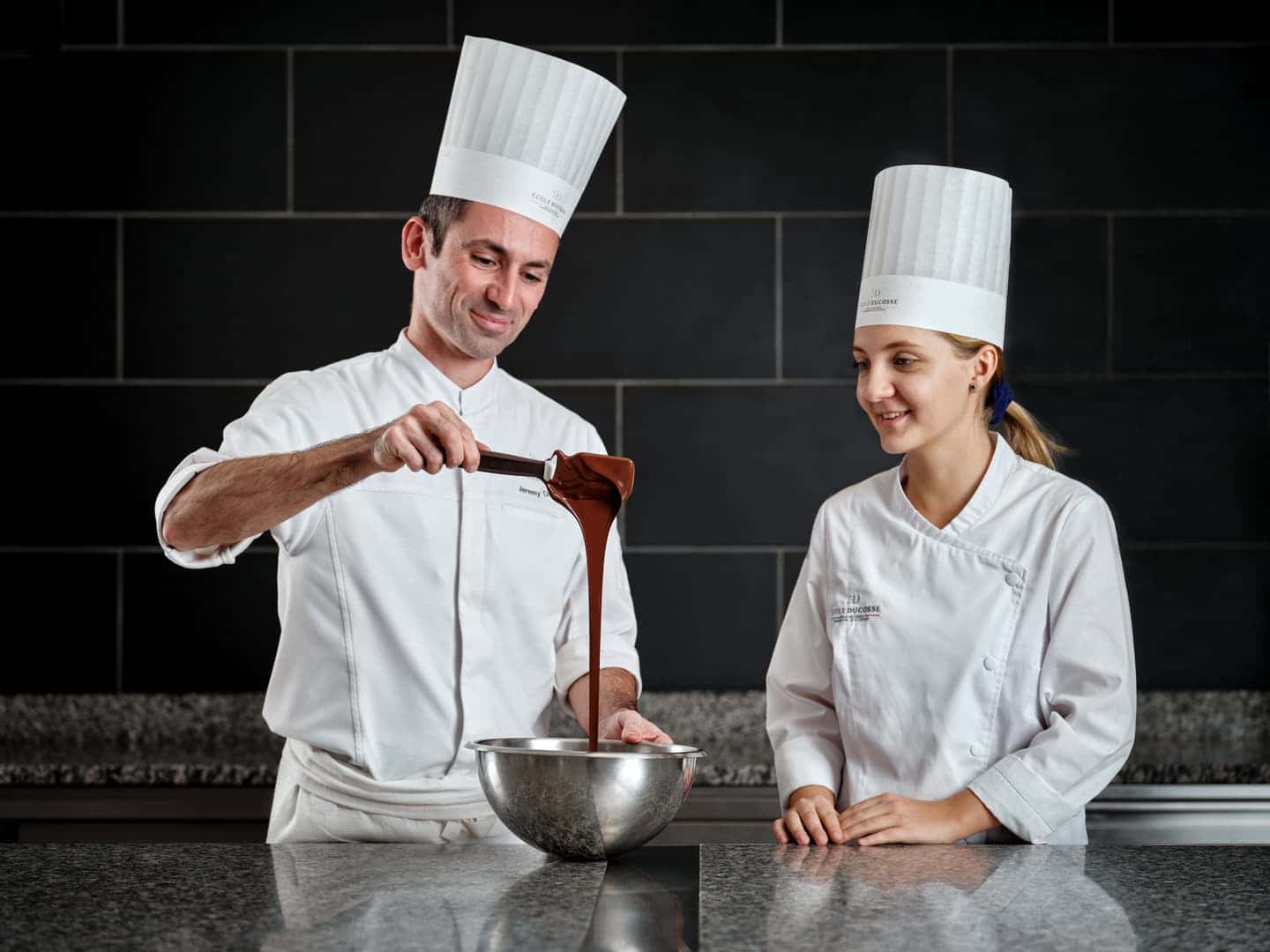
- Chocolate tempering: students practice heat curves until the chocolate sets with perfect gloss and clean snap. Achieving this consistently is a sign of discipline and attention to fine detail
- Sugar artistry: shaping pulled, blown and cast sugar into decorative structures tests stability as much as imagination, teaching students to balance fragility with design
- Confectionery: pralines, nougat, bonbons and caramels demand uniformity. Each piece must be identical in weight, finish and taste and a model of consistency and precision
By completing this stage, students learn that pastry is judged on artistry as well as flavor. Every product is the result of technique, creativity and reliability under pressure.
Advanced plated pastry and design
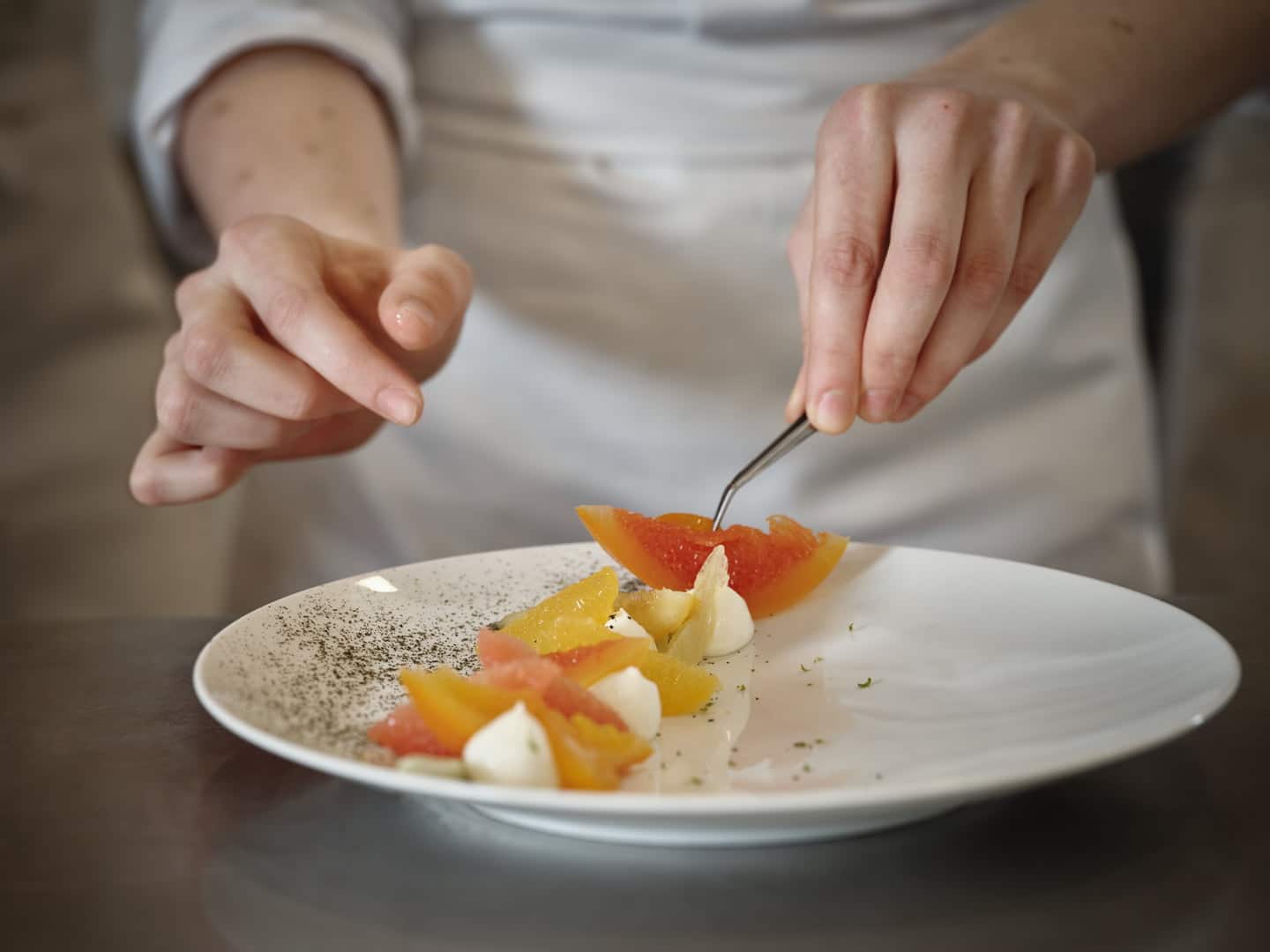
Pastry chefs are renowned for creating desserts that are as visually striking as they are balanced in flavor. At this stage of training, students learn about design principles that elevate presentation into an art form, supported by classic French cooking techniques. The modules in this section highlight:
- Color balance: chefs explore how tone and contrast influence visual impact, which influences a guest’s perception before the first bite
- Texture pairing: combining crisp pastry, creamy mousses and delicate foams to achieve harmony in mouthfeel and contrast on the plate
- Composition theory: students approach plates like canvases, using spacing, symmetry and garnish placement to shape the final impression
These lessons reflect the traditions of French pastry arts, exemplified by chefs such as Alain Ducasse, where artistry and flavor are inseparable.
Salon, labs and real-world preparation
Professional kitchens demand speed, discipline and resilience. To prepare students for this environment, pastry courses include salon and lab modules that replicate bakery, cafe and restaurant service. These exercises mirror the pace and intensity of live service, with students focusing on:
- Mise en place: organizing and preparing ingredients in the correct order and on time becomes a daily discipline, reducing errors in high-pressure service
- Service simulations: students perform timed plating sessions under assessment, demonstrating organization, teamwork and the ability to maintain quality in high-pressure conditions
- Critique sessions: instructors review every dish, offering direct feedback and teaching students to adapt quickly and improve consistency
Alongside practical training, students study the science of cooking, which explains why results succeed or fail under real service conditions. These recognized chef skills prepare students well for the demands of high-volume pastry and restaurant kitchens.
Entrepreneurship and menu development
Pastry education is also about preparing for business. The curriculum introduces students to entrepreneurial skills that are vital for those planning to run their own bakery, café or patisserie. Modules include:
- Menu costing: students calculate food costs, portion sizes and pricing strategies to design menus that balance profitability with quality. This approach reflects the principles shared in the food entrepreneurship guide, which shows how a creative idea can be transformed into a sustainable business model
- Concept building: assignments push students to define and refine brand identity, from naming and visual presentation to positioning in a competitive market. For those interested in running a pastry business, the how to start a restaurant resource provides insight into how concept development supports operational planning and investment decision
- Pitching ideas: presentations in front of peers and instructors in pastry classes build confidence in communication and leadership, reflecting the demands of real-world business
By linking creative modules with business-focused tasks, pastry education ensures graduates leave with much more than advanced pastry skills. They gain the entrepreneurial confidence needed to launch ventures, attract partners and sustain growth in a competitive culinary market.
Why the bachelor model works
Short pastry workshops are valuable for sharpening specific skills, but they cannot replace the depth, structure and long-term preparation offered by a bachelor-level program. A pastry degree gives aspiring chefs the time and support to grow in every dimension of the craft. Students benefit in the following areas:
- Technical training: repetition and refinement of French baking techniques build precision across laminated doughs, custards, mousses and sugar work. Programs also expose students to modern innovations, including contemporary plating, sustainability practices and culinary technology
- Creative development: students experiment with design, flavor pairing, cake decorating and texture balance while receiving direct critique from expert instructors. This freedom to test ideas under guidance helps them develop a distinctive pastry style
- Business grounding: courses include operations, cost management and leadership modules that prepare chefs to lead teams and manage profitable kitchens. Students learn to cost menus, analyse waste and design workflows that support efficiency and creativity
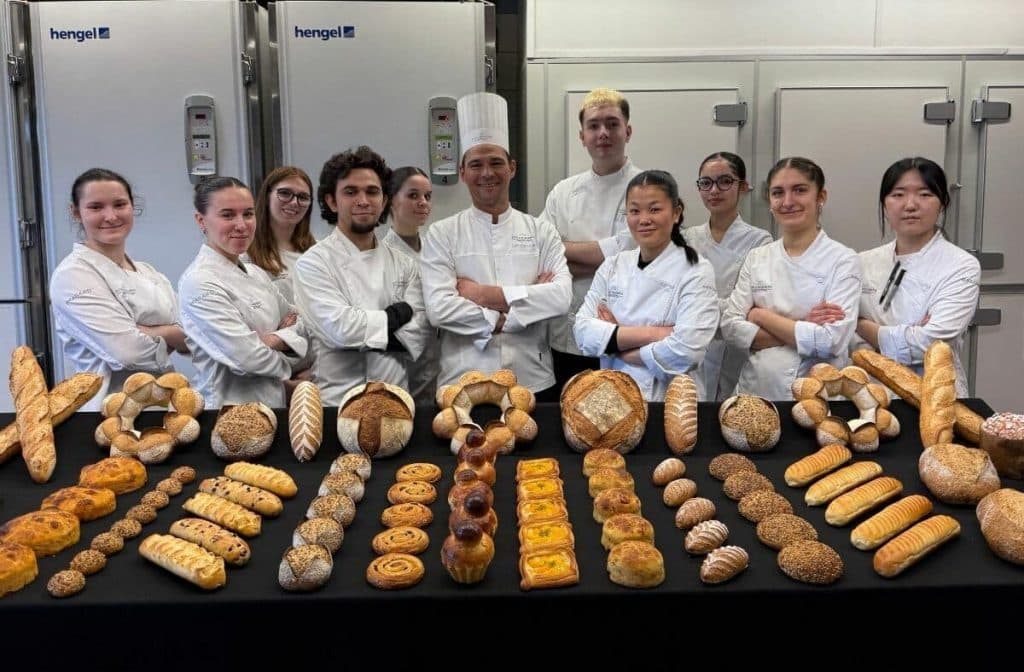
Mentorship is central to the bachelor model. Recognized pastry chefs, often with international accolades, guide students through competitions, sourcing trips and live events that bridge classroom lessons with real-world expectations. These experiences strengthen discipline, expand industry connections and prepare students for leadership.
Studying pastry in France
Enrolling on a professional pastry course at a culinary school in France places students at the center of a tradition that has influenced global patisserie for centuries. France is recognized for its heritage recipes and for the constant innovation shaping modern pastry. Training in this environment brings unique advantages that connect culture, craft and career outcomes. These include:
- Heritage of French pastry-making: students practice Viennoiserie, entremets and classic tarts that have shaped patisserie worldwide, learning why these recipes are benchmarks for quality
- Immersion in food culture: open-air markets, regional specialties and historic chocolate houses give students direct exposure to ingredient sourcing and the cultural roots of French baking traditions
- Mentorship from masters: many instructors are Meilleurs Ouvriers de France (MOF), renowned for their technical precision and artistic vision
- Exposure to innovation: students encounter contemporary modules in sustainability, advanced sugar work and flavor pairing. At institutions such as the École Nationale Supérieure de Pâtisserie (ENSP), classical training is paired with cutting-edge pastry techniques
- Global connections: graduates join extensive alumni networks, opening pathways to prestigious careers in luxury hotels, fine-dining restaurants and boutique patisseries worldwide
Outcomes: career paths after graduation
Completing a professional pastry course prepares students for diverse roles that connect artistry with operational expertise. The combination of French baking techniques, advanced pastry skills and business grounding enables graduates to pursue careers in hospitality, entrepreneurship and product innovation. Depending on ambition and experience, they may pursue the following pathways:
- Luxury hotels and resorts: managing large-scale dessert programs where volume must never compromise precision or presentation
- Boutique patisseries: crafting seasonal menus and creating signature pastries that help define the brand identity of small high-end establishments
- Product development: contributing to research kitchens or food companies, where chefs design and test new recipes for commercial production
- Entrepreneurship: launching patisseries, bakery cafés or chocolate ateliers, combining creative vision with the business grounding acquired in training
Some graduates progress into senior leadership roles, where strategic oversight and people management are as important as technical mastery. For those interested in executive-level positions, it may be helpful to explore resources such as the executive chef vs head chef comparison. For a broader view of culinary career opportunities, the chef career guide illustrates how professional training connects to global pathways.
Take your pastry training to the next level
Completing a professional pastry course provides the structure, practice and feedback that can transform raw enthusiasm into a refined skillset. From mastering French baking techniques to perfecting artistic presentation, professional pastry training equips you to enter kitchens with confidence.
Courses also provide an opportunity to explore advanced pastry skills and develop a personal style. For some, that means specializing in chocolate and confectionery arts or elevating design through plated desserts. For others, it serves as the foundation for opening a pastry shop or advancing into leadership roles in hotels and high-end patisseries.
If your goal is to build a career that demands artistry and discipline, the right program will guide that transformation.