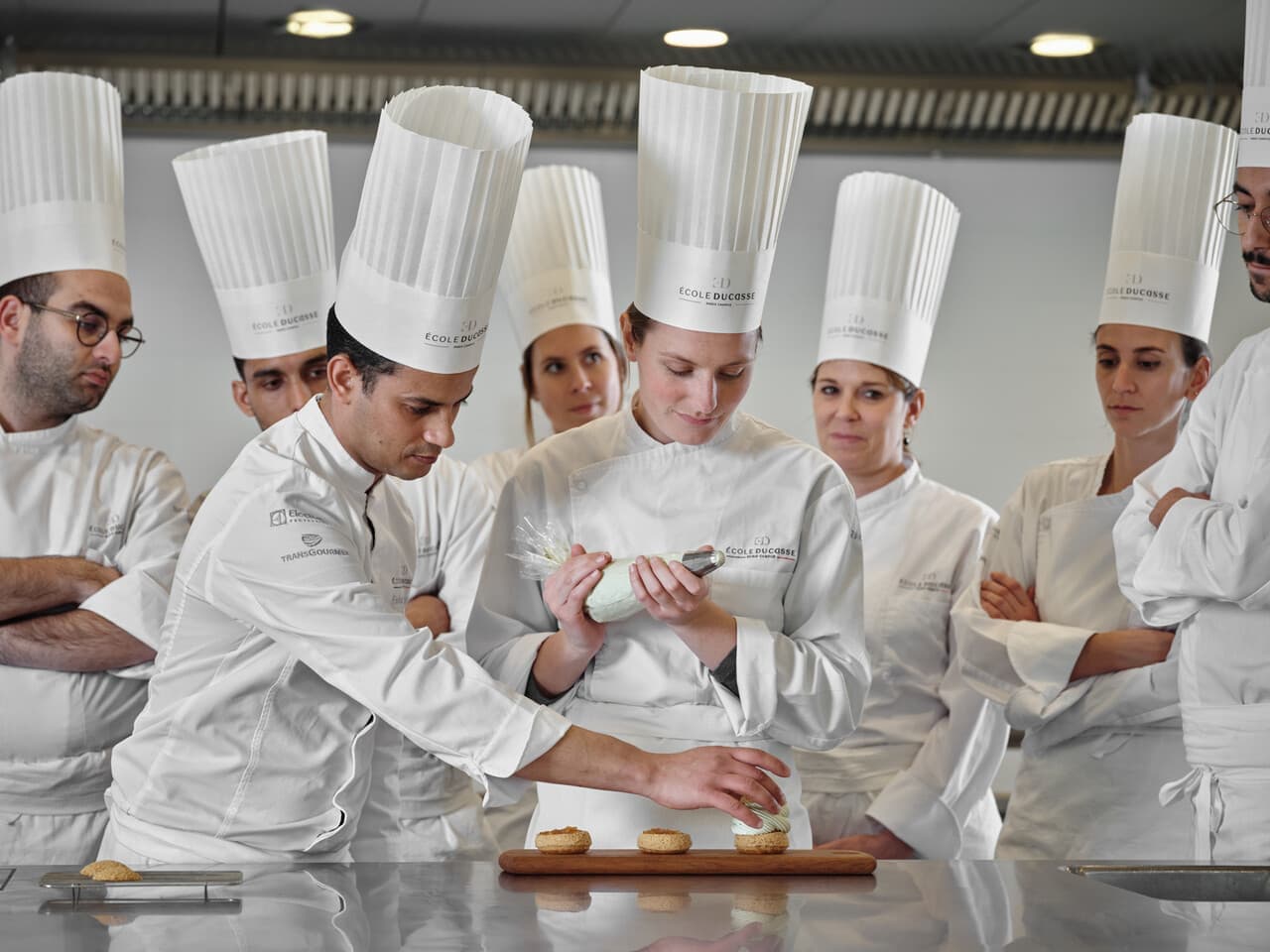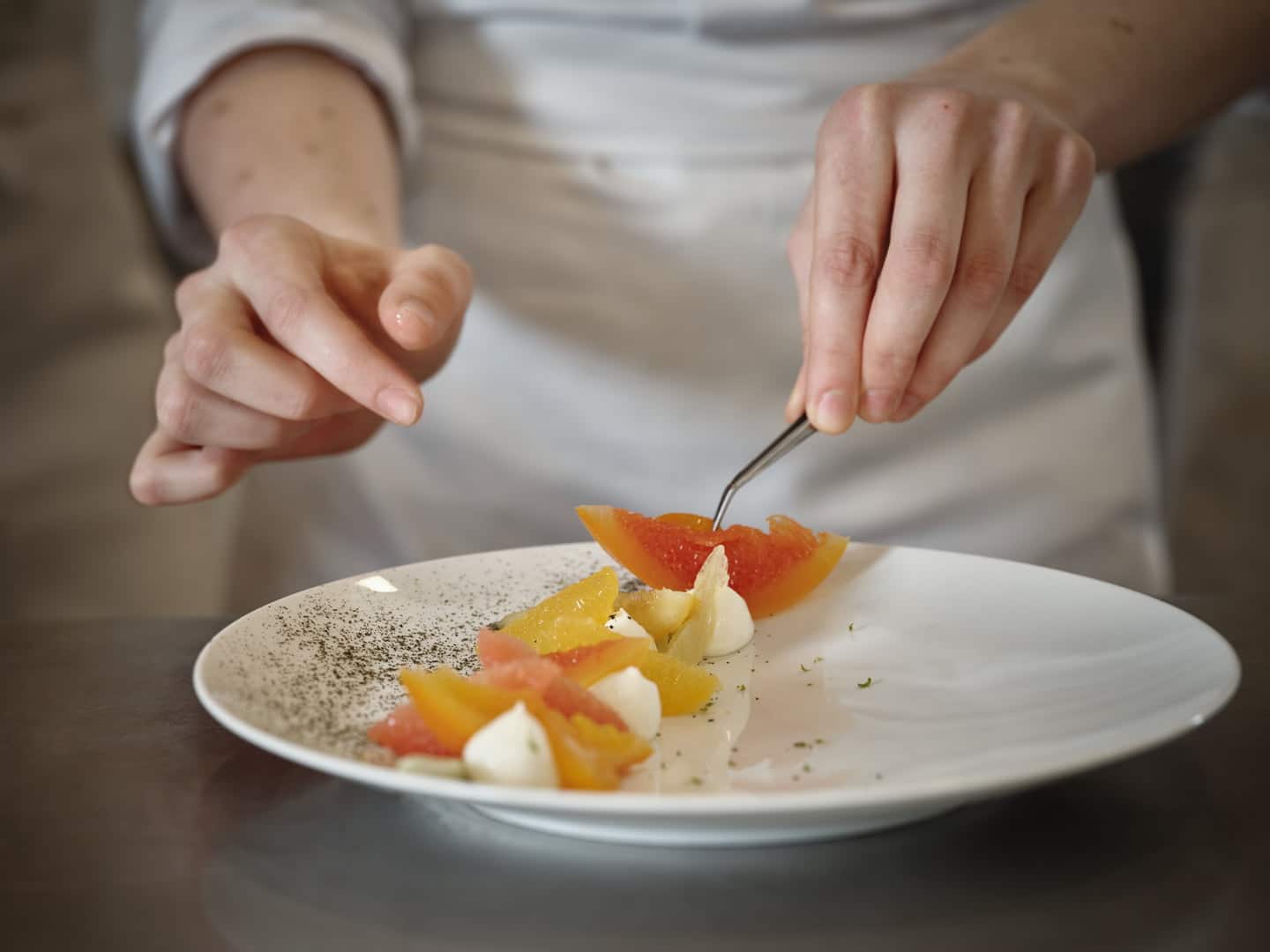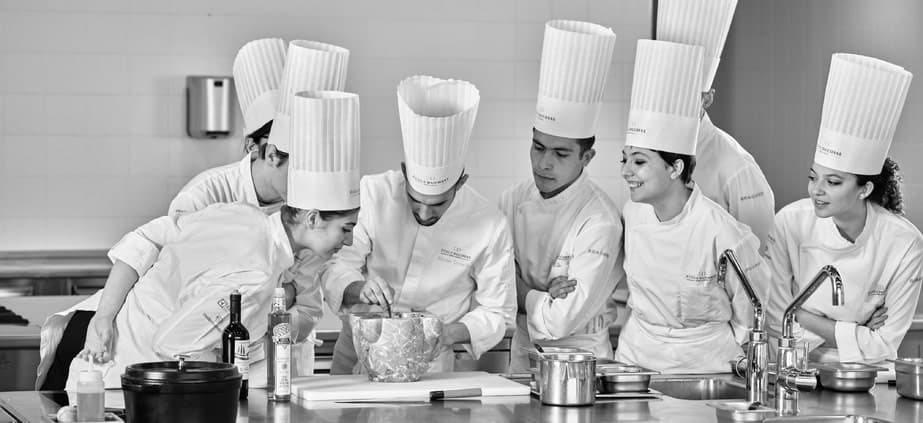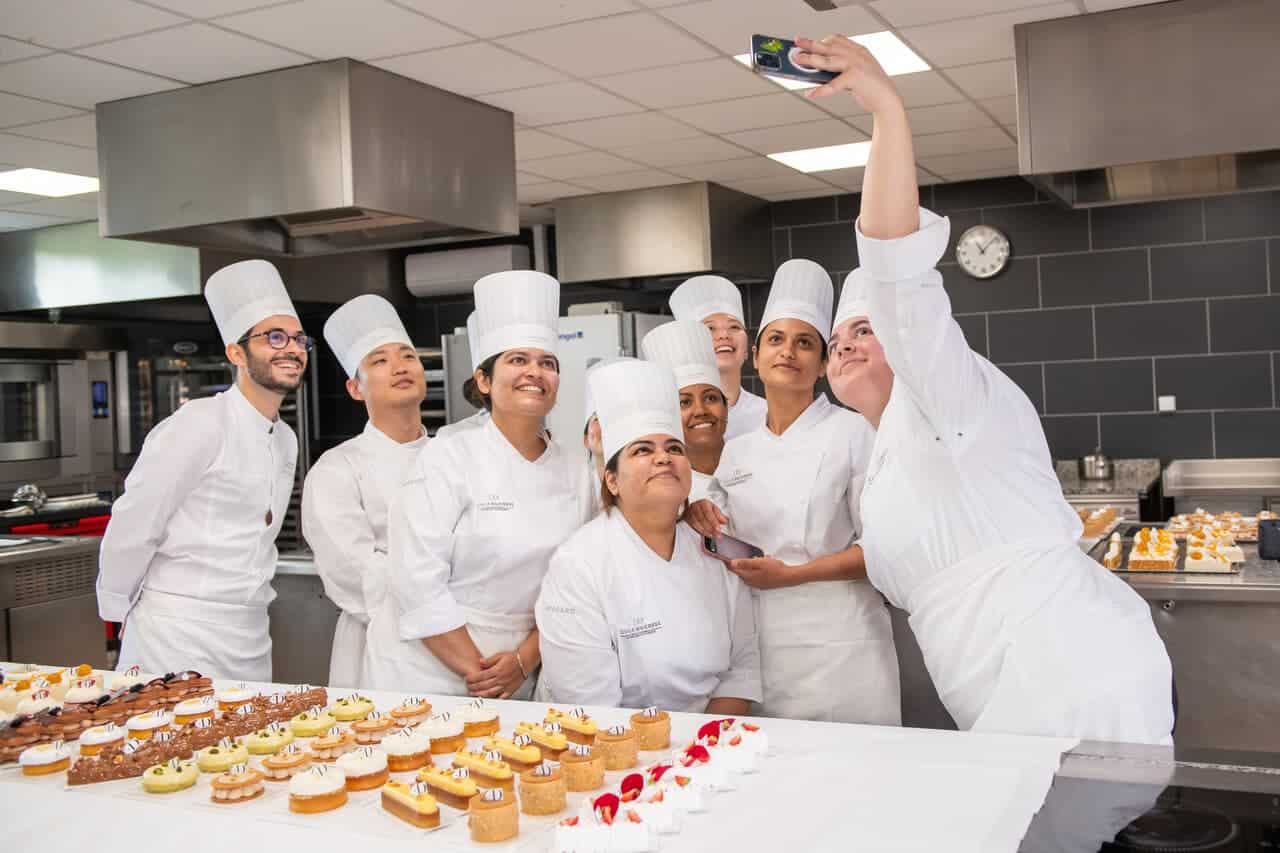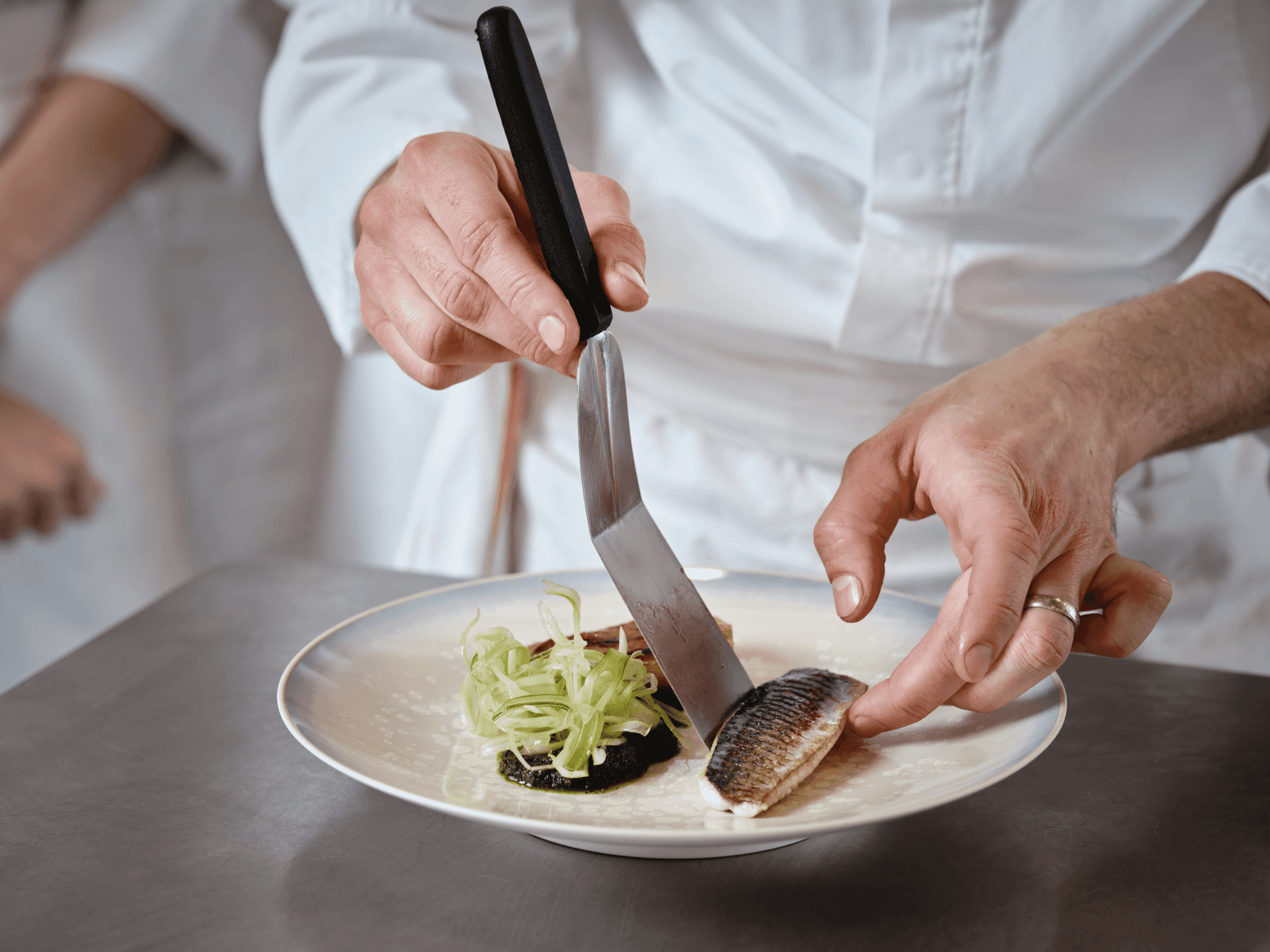
These moments matter because they transform recipes into lessons. Each repetition sharpens instinct, every mistake deepens understanding and success confirms that technique has become part of the chef’s craft.
In a culinary program, these iconic recipes become teaching tools. They build muscle memory, develop discipline and show how precision and creativity live side by side. What looks like a plate of food to a guest is, for the student, a framework for mastering timing, consistency and judgment. If you want to see how recipes shape chefs into professionals, keep reading.
Why recipes are central to professional chef training
In a culinary arts program, recipes are treated as sophisticated learning tools, not just simple instructions to follow. The learning process unfolds through carefully selected recipes that each highlight a core aspect of culinary craft:
- Repetition as a pathway to instinct: preparing ratatouille multiple times teaches how to layer and balance flavors while keeping each vegetable distinct. Over time, students rely less on written steps and more on sensory judgment
- Precision shaped through critique: mastering crème brûlée requires exact control of custard texture and sugar caramelization, with instructors offering feedback on timing and consistency. Each correction strengthens technique
- Culinary fundamentals in practice: recipes become the testing ground for mise en place, knife handling and heat management. Students experience first hand how a delayed prep or an over-reduced stock can dramatically alter the final dish
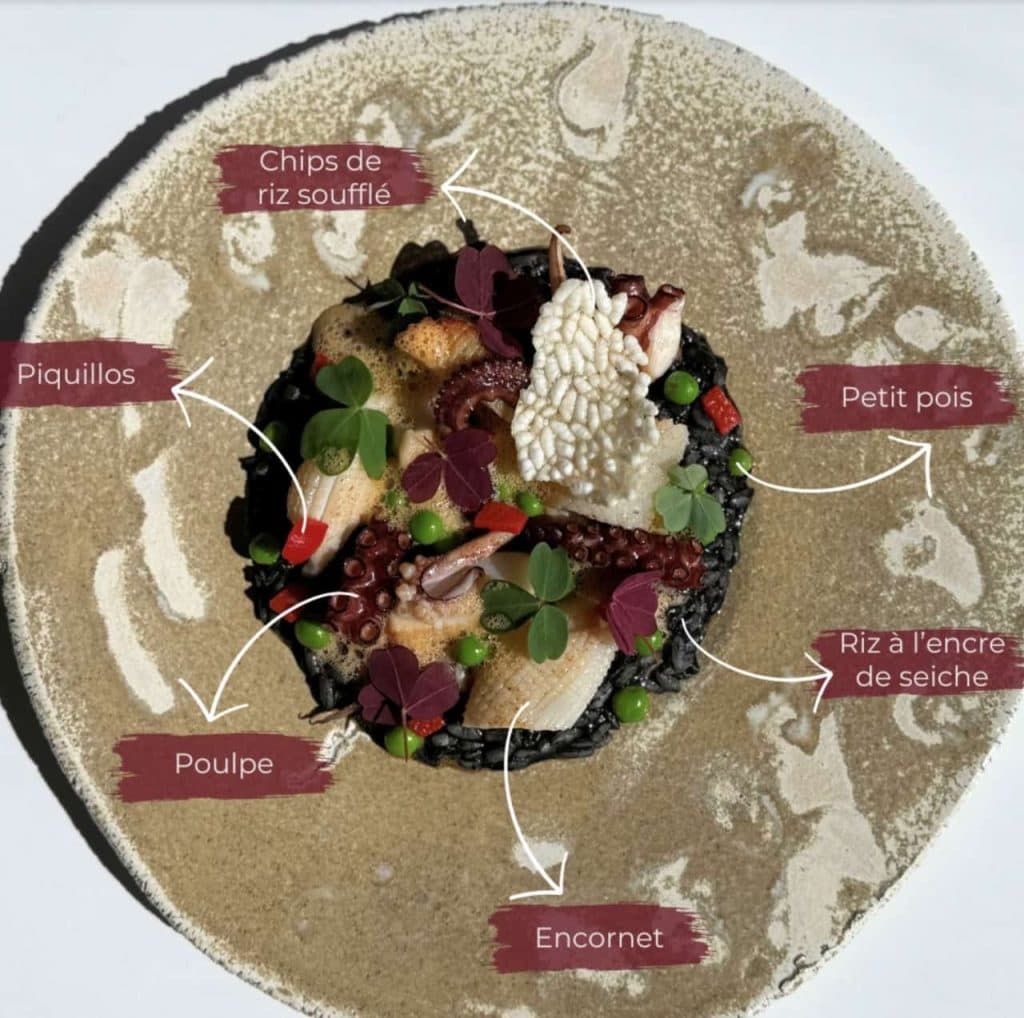
Iconic French dishes and what they teach
Certain recipes have been through centuries of refinement and continue to underpin culinary education. When students practice these iconic recipes, they engage with dishes that embody the values and techniques at the heart of French gastronomy.
Duck à l'orange: mastering protein and sauce harmony
This classic preparation teaches students proper duck fabrication, careful heat management and the delicate art of balancing sweet and savory elements. Students learn to score skin for proper fat rendering while maintaining crispy texture. The orange sauce component introduces classical liaison methods while developing an understanding of how to balance sweet and acidic elements.
Bouillabaisse: ingredient timing and stock development
This fish stew from the French region of Provence serves as a masterclass in coordinating multiple cooking processes simultaneously. Students learn to recognize doneness in various seafoods while managing complex flavor layering. The dish teaches ingredient timing, stock development and the precise coordination required for perfect results.
Tarte tatin: pastry precision and caramelization mastery
This inverted apple tart teaches pastry handling, caramelization techniques and the importance of proper mise en place. Students develop patience and heat management skills while learning the precise timing required for successful inversions. The recipe combines pastry technique with sugar work and fruit cookery.
Beef bourguignon: braising fundamentals and wine integration
The legendary Burgundian stew introduces students to proper braising techniques, wine reduction and the transformation of tough cuts through slow cooking methods. It teaches patience, flavor development and the French tradition of building depth through deliberate technique.
Together, these iconic dishes anchor students in fundamental skills while building a comprehensive understanding of classical French cooking techniques. Each step, from preparing a mirepoix to achieving the shine on a sauce, reflects principles that carry into every area of professional cooking.
Learning modern sustainability through recipes
Culinary education today is about responsibility as much as tradition. Recipes once known for indulgence are now reinterpreted to align with healthy and sustainable cuisine. In practice, this means students are trained to respect ingredients, minimize waste and design menus that protect the environment while still celebrating flavor and artistry.
The process is taught through practical adjustments made inside the kitchen:
- Seasonal substitution: a dish such as bouillabaisse is reimagined with fish sourced from local waters instead of imported Mediterranean species. Students learn to identify which regional varieties provide similar textures and flavor profiles while discovering how seasonality affects ingredient availability. They practice adapting the classic saffron broth and aromatic base to complement local catch, preserving the dish's essence while supporting regional fishing communities and reducing the impact of transport
- Plant-forward balance: recipes once built around heavy proteins undergo sophisticated reinterpretation with legumes, ancient grains and vegetables. A traditional coq au vin might feature roasted mushrooms and root vegetables that develop the same caramelized richness as the original chicken while maintaining the wine reduction techniques that define the dish. This trains chefs to build layers of flavor with plant-based ingredients while responding to consumer expectations for nutrient-dense, health-conscious dining without sacrificing culinary sophistication
- Waste efficiency: trimmings, bones and shells are transformed into valuable kitchen assets rather than discarded materials. Vegetable peelings become aromatic stock bases, fish bones develop into concentrated broths that intensify seafood preparations and herb stems find purpose as flavor infusions or garnish components. Students learn that waste reduction is about extracting maximum potential from every ingredient, developing the resourcefulness that characterizes innovative professional kitchens
Understanding why these substitutions work is rooted in the science of cooking. For example, grasping how caramelization develops flavor allows chefs to design plant-based alternatives that carry the same richness as meat. Similarly, studying emulsification explains how sauces can remain stable even when dairy fats are replaced with lighter or more sustainable options.
Through this approach, they prepare chefs to think critically about how every choice in the kitchen impacts the guest and the wider world.
Alain Ducasse recipes and culinary philosophy
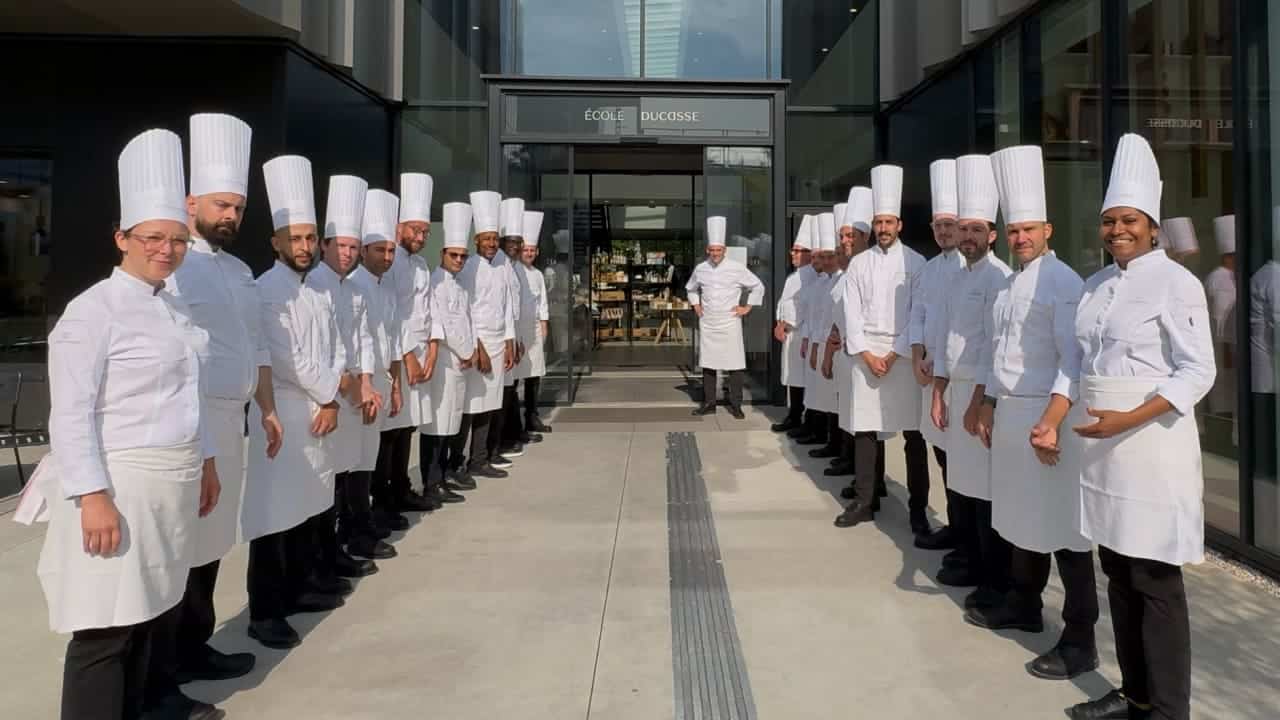
Students at culinary schools in France such as École Ducasse are taught to think about food in a way that unites technique with vision. This outlook shapes the way dishes are cooked and how chefs think about their role in the kitchen. The Alain Ducasse philosophy is translated into daily lessons across several dimensions:
- Provenance as a foundation: every ingredient is approached with care for its origin. Learners explore how soil, climate and seasonality affect taste and texture, understanding that a simple tomato carries its own story of place
- Tradition as a springboard: before experimenting, students practice classical methods until they are second nature. Only then are they encouraged to reinterpret a dish with, for example, lighter presentation or surprising pairings
- Cooking with intention: recipes are framed as expressions of values. Students ask what their plates communicate, whether it is cultural identity, emotion or sustainability. This pushes them to think beyond technique and into narrative
This approach also develops the broader chef skills that underpin professional growth: discipline, curiosity, resilience and clarity in execution. Through this philosophy, recipes evolve into frameworks for artistry and leadership, preparing chefs to bring purpose into every plate they design.
Building advanced techniques through step-by-step mastery
Culinary education breaks complex techniques into manageable components that students master progressively.
Knife precision, saucing, emulsification and plating artistry
Technical skill development follows a systematic progression:
- Knife skills tuition starts with basic cuts and advances through sophisticated preparations requiring speed and consistency
- Saucing mastery takes in mother sauces before progressing to contemporary emulsions and molecular applications
- Emulsification techniques progress from mayonnaise and hollandaise to hot emulsions and foams
- Plating artistry develops through classical presentations before exploring contemporary styles
Pastry integration: laminations, sugar work, chocolate tempering
Baking and pastry arts training in savory programs teaches precision and scientific understanding. Students master lamination techniques for croissants and puff pastry, developing knowledge of gluten development, fat distribution and temperature control. Sugar work and chocolate tempering require mathematical precision and artistic sensibility.
Balancing flavor with modern techniques, from sous-vide to fermentation
Students learn to balance tradition and modernity while developing adaptability for today’s evolving culinary landscape. Contemporary technique integration includes sous-vide cooking, fermentation applications and molecular gastronomy principles.
From kitchen to career: how recipes shape futures
The lessons hidden in recipes extend far beyond the classroom. Students who master iconic French dishes take discipline, creativity and resilience into diverse career paths across the culinary industry:
- In fine dining, they design tasting menus where classic French cuisine meets modern artistry
- In hotels and resorts, they oversee large-scale operations that demand consistency across buffets, banquets and à la carte service
- On cruise lines, they adapt recipes to high-volume production and multicultural audiences
- Through entrepreneurship, they open niche businesses such as gourmet food trucks or artisanal patisseries
Graduates also contribute to product development and consultancy, where classical training supports innovation for global food brands. Recipes that once taught fundamentals now serve as the basis for industry-wide influence.
Why recipes remain the best teachers
Every time a student wrestles with a temperamental hollandaise or fights to achieve the perfect rise in soufflé, they're developing problem-solving instincts that extend far beyond the kitchen.
Traditional recipes force chefs to think three steps ahead. Will the sauce break if they add the butter too quickly? How will altitude affect bread dough? What happens if service gets slammed and they need to hold that risotto for an extra 10 minutes?
The best part? Failure becomes your teacher. A collapsed soufflé teaches you about timing and temperature in ways no textbook explanation can match. The broken emulsion shows you how to recover from culinary disaster. The magic happens when technique becomes instinct, freeing your mind to focus on creativity, leadership and the countless decisions that separate good cooks from exceptional chefs.
The next time you prepare a classic dish, imagine the layers of discipline, artistry and resilience it can teach: the same qualities that define world-class chefs.