Before making the commitment, it’s worth knowing what the journey looks like in practice. Which subjects are taught in class and in commercial kitchens? How long is pastry chef school and what investment does it require? Can you succeed through apprenticeships or self-study instead?
This guide provides the answers, looking at everything from course modules and qualifications to costs and career outcomes. It also shows how programs such as the Bachelor in French Pastry Arts combine French tradition with modern business preparation and set a global benchmark for pastry education.
What does pastry chef school include?
A structured culinary school experience introduces students to the foundations of pastry craft and combines kitchen discipline with genuine artistry. Unlike casual pastry classes, a full professional program will deliver technical modules, creative exploration and industry exposure.
The main disciplines taught are:
- Lamination: layering butter and dough to create the flaky structure in croissants, puff pastry and Danishes
- Chocolate and confectionery arts: this involves tempering, molding, pralines and bonbons, all refined until gloss, snap and uniformity are consistent
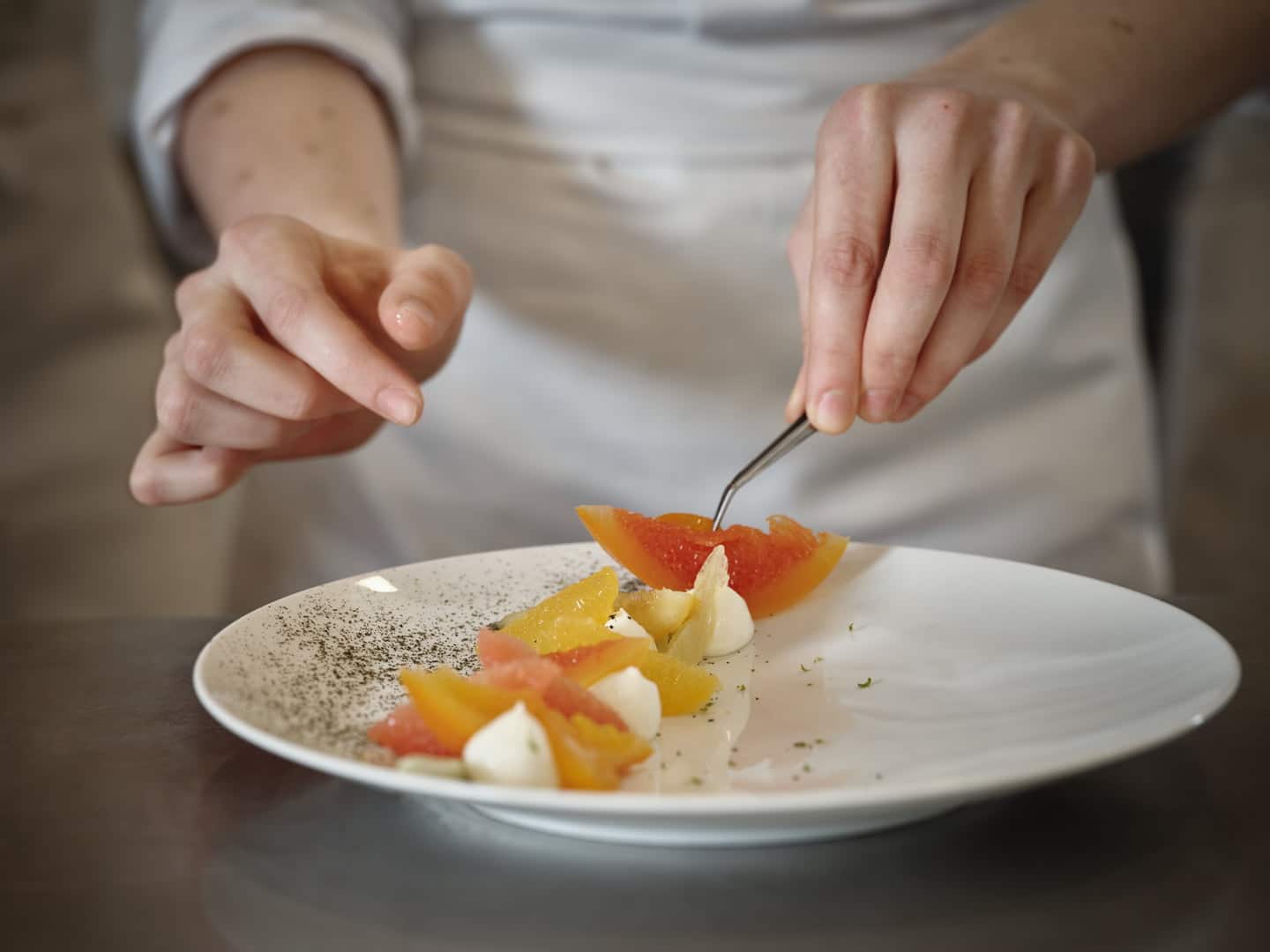
- Plated desserts: presentation, texture pairing and balance of flavor, connecting design principles with taste
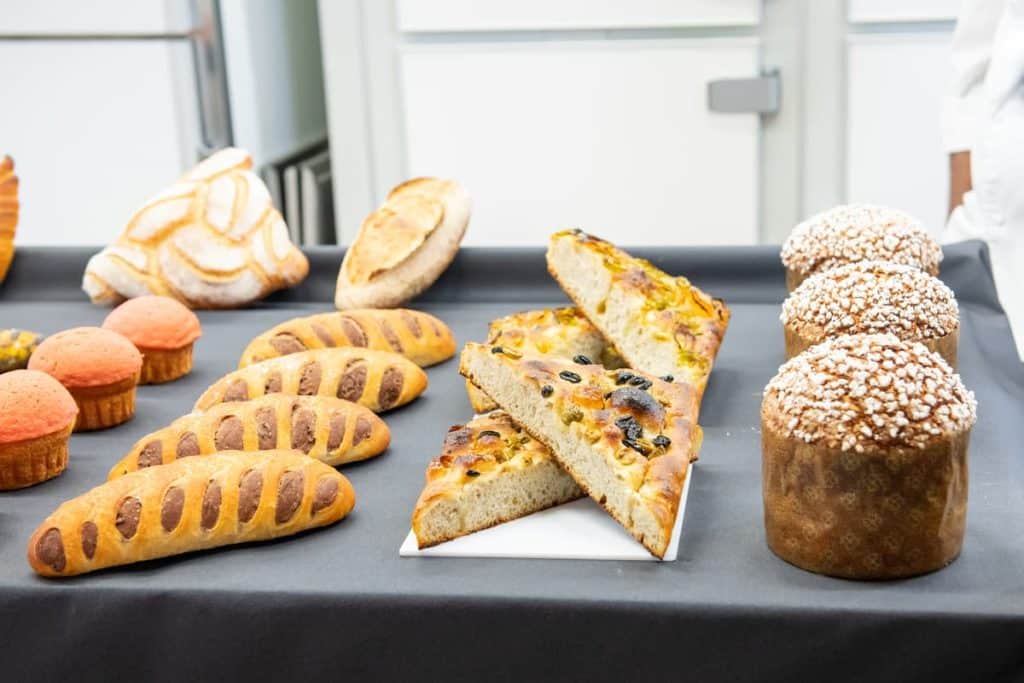
- Viennoiserie: brioches, pains au chocolat and other staples that involve fermentation, shaping and finishing
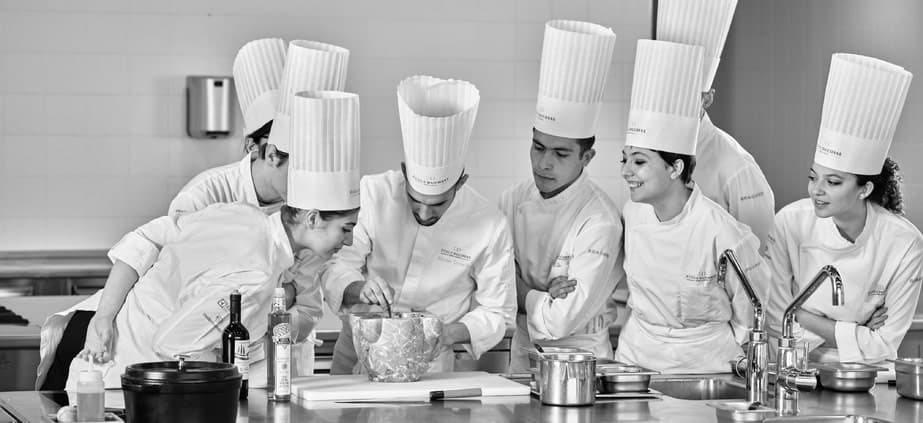
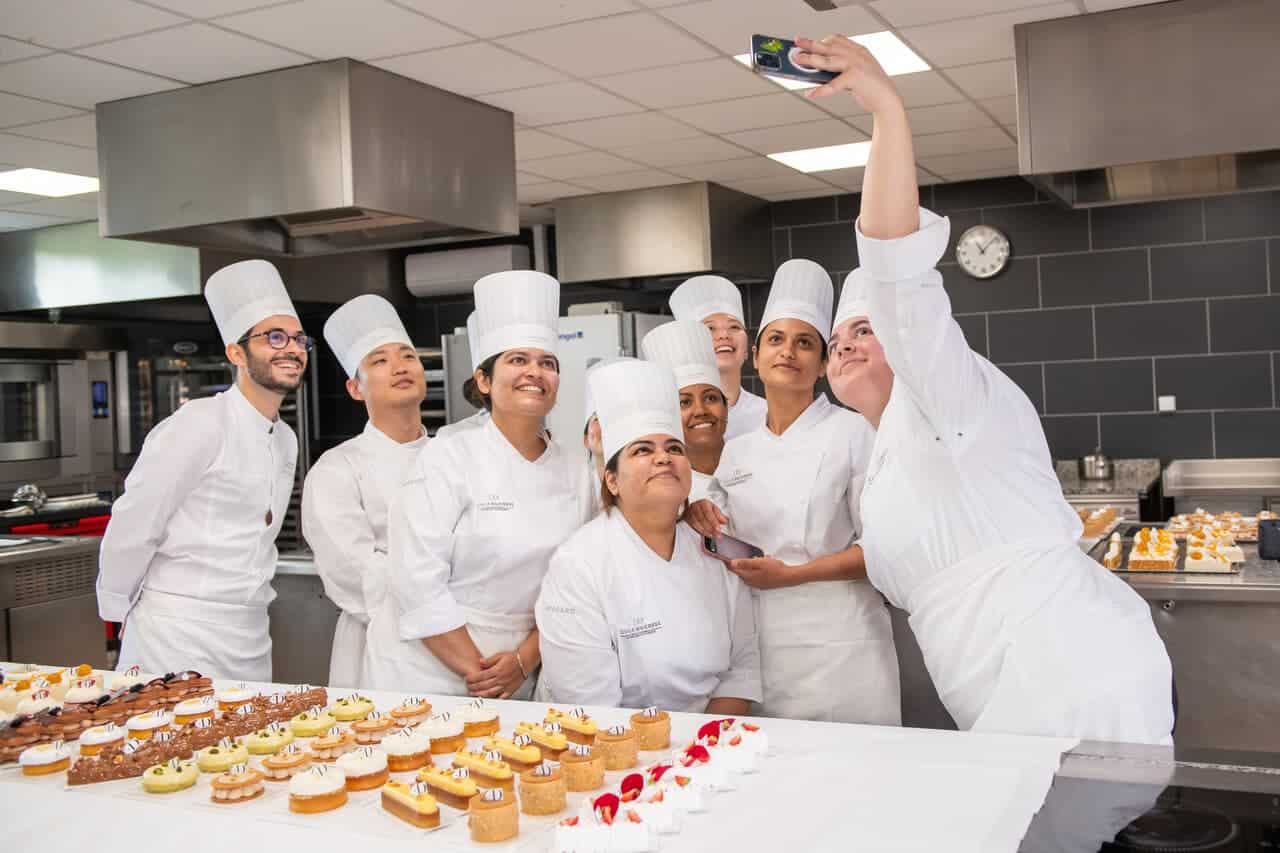
Students are expected to practice techniques until they become second nature. This is why most schools have commercial kitchens or labs that mimic real production environments.
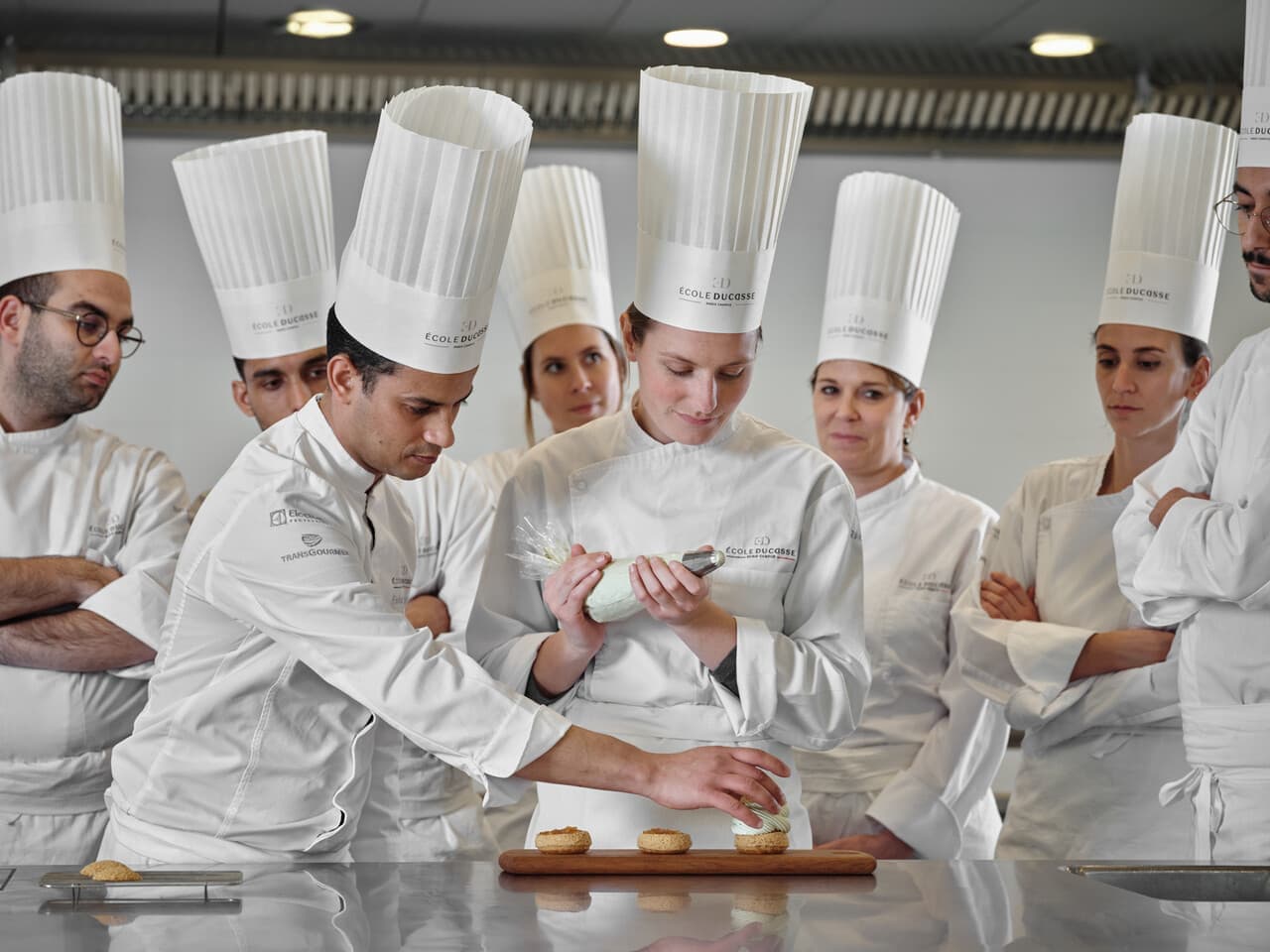
École Ducasse’s baking and pastry arts courses illustrate how structured modules are delivered: theory sessions explain principles of food science, while chef instructors monitor hands-on practice in kitchens. Competitions, peer review and feedback sessions are common, ensuring students can perform under time pressure while maintaining high standards.
Admission requirements: what do you need to become a pastry chef?
Pastry schools usually require applicants to demonstrate formal education and personal readiness. While standards vary, the most common entry requirements include:
- Educational background: most schools expect a completed secondary education or equivalent. This ensures students can handle the technical theory of food safety, nutrition and the science behind French pastry making
- Creative portfolio or practical test: applicants are often asked to submit a portfolio of baking work or complete a short trial task. Even if you are an amateur, examples of baked goods such as tarts, breads or decorated cakes demonstrate your interest and potential
- Physical and professional readiness: working in commercial kitchens requires stamina, time management and resilience. Many schools evaluate whether candidates can handle long hours, high-temperature environments and repetitive practice without losing focus
- Language and communication skills: since many top schools operate internationally, some require English or French proficiency. Strong communication also matters for teamwork, customer interaction and during critique sessions with a chef instructor
- Passion and motivation statement: a personal essay or interview often forms part of the admission process. Schools want to see you are committed to developing advanced pastry skills, not just curious about pastry classes
How long does pastry chef school take?
If you’re wondering 'How many years does it take to become a pastry chef?' the answer depends on the type of program you choose and the level of expertise you wish to achieve. Training pathways vary in length and depth, but most fall into a few main categories:
- Short courses: lasting a few weeks to several months, these are designed for professionals or hobbyists seeking quick upskilling in specific areas such as cake decorating or French baking techniques
- Diplomas: Typically 12–36 months. For example, the Higher Diploma in Pastry Arts spans three years and includes three 24-week internships, offering advanced training and extensive real-world experience
- Bachelor’s degrees: usually three years, these provide the most comprehensive preparation. As well as pastry-making, courses cover nutrition, management and entrepreneurship, equipping graduates for leadership or ownership roles
Of course, to become fully 'industry ready', you'll need work experience. And if you want to step into management roles, you'll also need to spend time building your supervisory skills.
Cost breakdown: how much is pastry school per year?
The financial commitment involved depends on location, program type and level of study. While tuition is the main expense, students should also budget for professional tools, living costs and travel. A full cost picture usually includes:
- Tuition: in France, annual tuition typically ranges from €10,000 to €20,000, reflecting the prestige of French pastry training. International programs show similar variation depending on reputation, facilities and internships. Bachelor-level degrees tend to be at the higher end, while shorter diplomas or certificate courses are usually less expensive
- Equipment: students need to invest in knives, specialized pastry kits, uniforms and food safety gear, usually costing between €1,000 and €2,000 per year. Most schools require students to bring their own kits, though some provide them in bundled fees
- Living costs: accommodation, meals and transport vary by city. Studying in Paris or Lyon requires a higher budget than training in smaller towns. International students also need to factor in visa-related expenses
- Travel and field trips: many programs include visits to suppliers, field trips or competitions. Participation may require additional travel and event-related fees
Scholarships and financial aid can help offset costs. While the investment is significant, students gain access to commercial kitchens, professional mentorship and a direct pathway to job opportunities in luxury hotels, patisseries and bakery cafés.
Can you become a pastry chef without going to school?
Becoming a professional patissier doesn’t have to involve formal education. Many chefs start out as assistants, learning through repetition, mentorship and the demands of daily service. Apprenticeships and self-directed study can also provide valuable experience and know-how, especially for those eager to avoid tuition costs or who prefer learning directly in the workplace.
This route has clear advantages: direct exposure to real-world conditions, regular income and the chance to build resilience under pressure. Yet it also has its drawbacks, including:
- Limited access to advanced pastry skills taught in structured programs
- Fewer opportunities to secure international placements or global mobility
- More difficult to take part in competitions or gain mentorship from award-winning chefs
- No way of proving credentials when applying for senior or global positions
Self-taught pastry chefs often excel in their craft through persistence and creativity, but formal education provides an additional edge. Programs offer the systematic progression that helps chefs master advanced techniques, while also covering the science of cooking that explains why recipes succeed or fail.
What is the best degree for a pastry chef?
The choice of program determines how you develop your craft and how you approach leadership and business in the long run. You could choose to focus on artistry, kitchen discipline, management or entrepreneurship and should select a program according to your ambitions.
Bachelor in French pastry arts
This program combines advanced training in the fundamentals such as lamination, plated desserts and chocolate along with courses in financial management, entrepreneurship and business communication skills. The Bachelor in French pastry arts equips students with technical expertise and essential business skills, preparing graduates for creative and managerial roles in hotels, patisseries or their own ventures.
Higher diploma in pastry arts
This focuses on artistic pastry, sugar work and chocolate techniques, complemented by hands-on experience in professional kitchens through internships. The Higher diploma in pastry arts is ideal for students seeking to specialize. For many, it serves as a bridge to leadership positions or as preparation for applying entrepreneurial skills to eventually open a pastry shop.
Broader culinary degrees with pastry focus
Some aspiring chefs choose a culinary arts degree that integrates pastry alongside savory training. This pathway suits students who envision themselves in roles where oversight spans multiple departments, such as resort kitchens or international hospitality groups. The exposure to wider kitchen management equips graduates to step confidently into supervisory or executive tracks.
Where should you study? Choosing the right pastry school
Selecting the right educational institution is one of the most important decisions you can make if embarking on a pastry career. The choice shapes your technical training and your exposure to mentors, facilities and industry networks. When comparing schools, pay attention to:
- Accreditation: confirmation the qualification is recognized internationally and trusted by employers across the hospitality industry
- Chef instructors: mentors with proven backgrounds who combine technical precision with creative guidance and give feedback that pushes you forward
- Facilities: access to commercial kitchens, pastry labs and teaching restaurants that replicate the pace and standards of professional service
- Global exposure: programs that integrate French baking techniques and connect you with peers and professionals from around the world
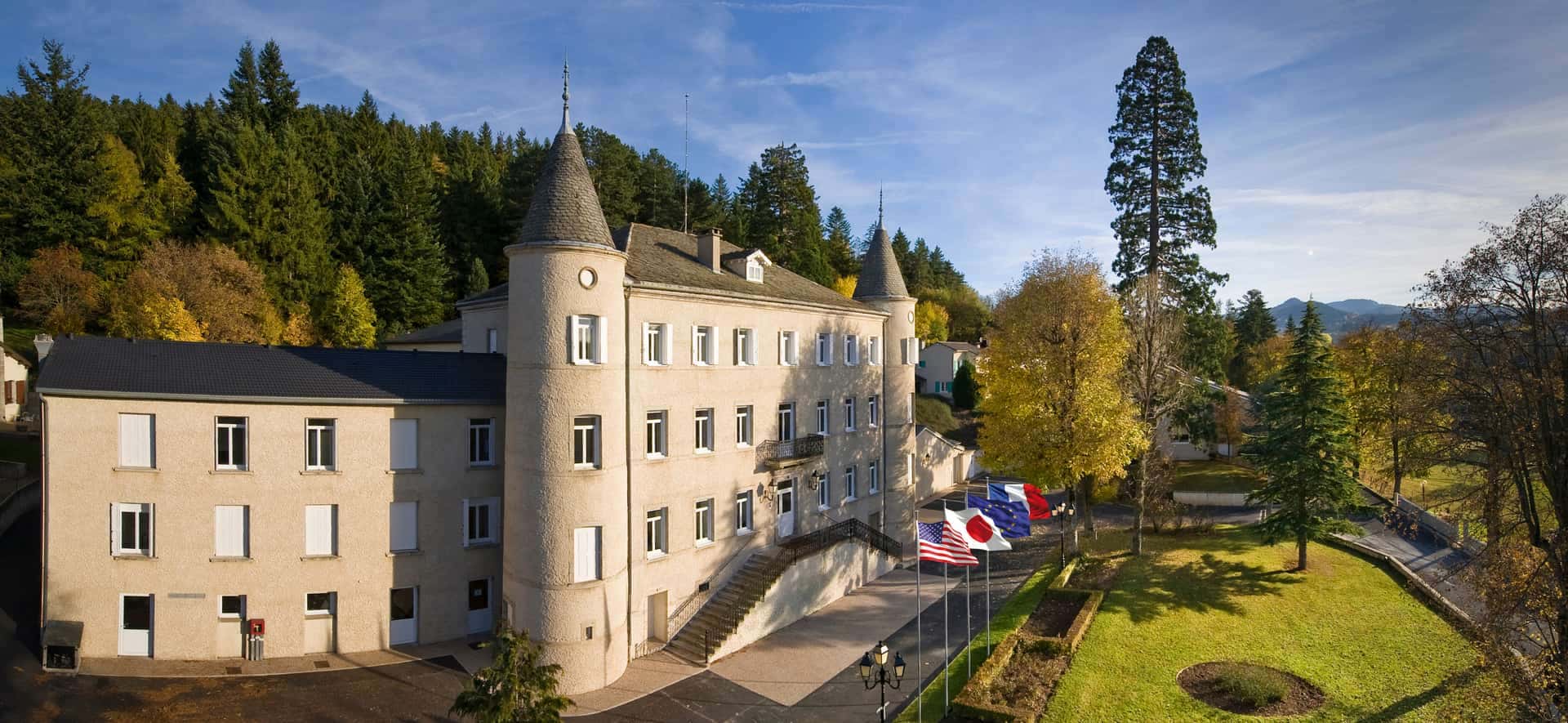
Studying in France is particularly valued, as the country has a heritage of excellence in French pastry arts. The culinary school in France overview explains why global students choose the country’s institutions, while the ENSP (École Nationale Supérieure de Pâtisserie) stands as a benchmark in artistic pastry education.
Career paths after graduation
Completing a program in pastry chef school opens doors to a world of opportunities in hospitality and entrepreneurship. Most careers follow a pattern shaped by training, experience and ambition and typical stages include:
Entry-level roles
Graduates usually begin in positions such as commis, junior pastry chef, cake decorator, chocolatier or assistant in a pastry shop. These jobs are about building stamina, practicing precision and learning the flow of commercial kitchens. Early work teaches discipline and reinforces the habits required in fast-paced professional environments.
Mid-career opportunities
After gaining several years of practice, many chefs move into research and development, product innovation or roles connected to food media. Others step into pastry sections at luxury venues where they apply advanced pastry skills in plated desserts and intricate showpieces. This stage tests creativity and consistency, pushing chefs to balance artistry with operational responsibility.
Leadership and management
With proven ability, chefs advance to positions that involve managing entire pastry sections in businesses such as five-star hotels or resorts, running production kitchens or supervising teams in catering and event companies. Leadership requires chef skills, good organization and the ability to maintain high standards under pressure. If you’re interested in broader leadership roles, the executive chef vs head chef guide outlines how they compare.
Entrepreneurship and ownership
A large number of graduates choose independence by opening a bakery café or patisserie. The training they receive at pastry school in costing, branding and food safety equips them to manage risk and sustain quality. For practical guidance, the food entrepreneurship guide explains how to turn a creative concept into a viable business.
Global opportunities
Those who study bachelor-level programs often benefit from international alumni networks that open doors worldwide. These connections help with job placement in resorts, restaurants and patisseries, giving chefs access to opportunities that extend beyond their local market.
Building your future in pastry
You now have the full picture of what pastry chef school involves: the curriculum, costs, length of study and the career paths it opens. The next step is to choose a program that gives you technical mastery and the authority to step into professional kitchens with confidence.
The right environment can provide the mentorship, discipline and business preparation that set the foundation for a sustainable career. Most importantly, pastry school can give you a sense of clarity about your path, whether that means leading a team, running your own patisserie or contributing to today’s culinary scene in your own way.