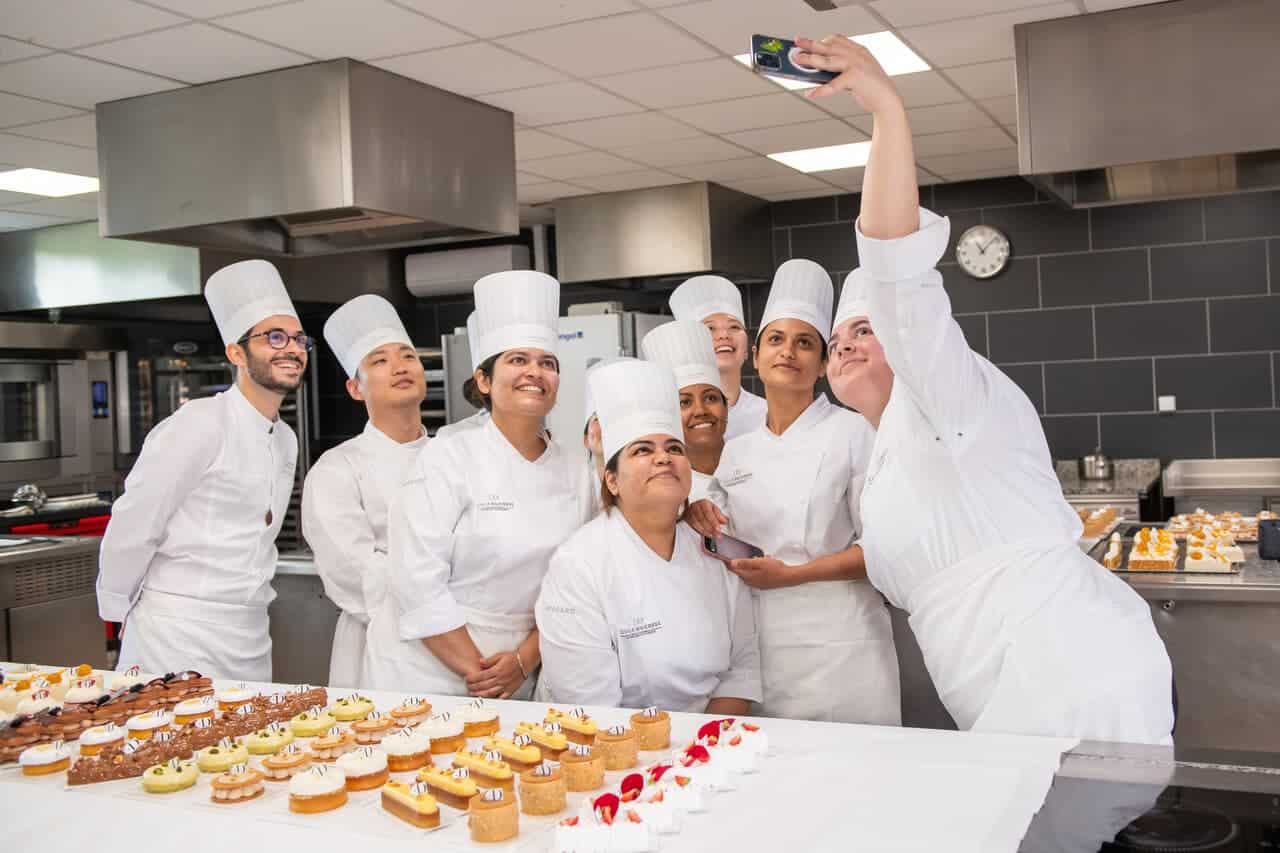
More people are turning their passion for pastry into a profession and structured pastry chef courses have become the gateway. The need for trained experts in bakeries, hotels and food businesses has never been greater.
But to succeed in this industry, you must pair creativity with precision and discipline. That’s why top pastry chef courses offered by institutions such as École Ducasse, known for world-class pastry programs, focus on developing real-world chef skills, mentorship and kitchen leadership. For aspiring chefs, these courses mark the start of something much bigger than a hobby.
Why study pastry professionally?
Studying pastry professionally equips you with the skills and knowledge needed to succeed in a fast-paced culinary environment. Unlike home baking, professional pastry work demands consistency, precision, and a deep understanding of techniques and ingredients.
Pastry courses teach more than just recipes. You'll learn to plan production workflows, manage kitchen teams, and create high-quality desserts with consistent results. A strong emphasis is placed on the science behind baking, including how fat ratios, dough structure, temperature, gluten development, and emulsification affect texture, flavor, and presentation.
Many programs also include food theory, nutrition, and adaptations for dietary needs such as gluten-free or dairy-free baking. Soft skills like leadership, communication, and organization are developed alongside technical training to prepare you for real-world kitchen challenges.
What to expect from a professional pastry chef course
If you’re wondering what you study to become a pastry chef, most programs combine foundational theory with hands-on practice. Below, we’ve outlined in detail what’s typically covered.
Classic French techniques
Many programs, including the Baking and Pastry Arts course at École Ducasse, begin with the fundamentals of French pastry. Students learn to master laminated doughs such as puff pastry as well as tarts, mousses and cream fillings. These skills form the foundation of pastry work in fine dining establishments, bakeries and kitchens around the world.
Sugar and chocolate artistry
Students often explore topics such as caramel work, chocolate tempering, confections and advanced cake decorating techniques. These require patience and finesse and are essential for creating plated desserts, luxury cakes and centerpieces that impress guests and critics.
Bakery production and plated desserts
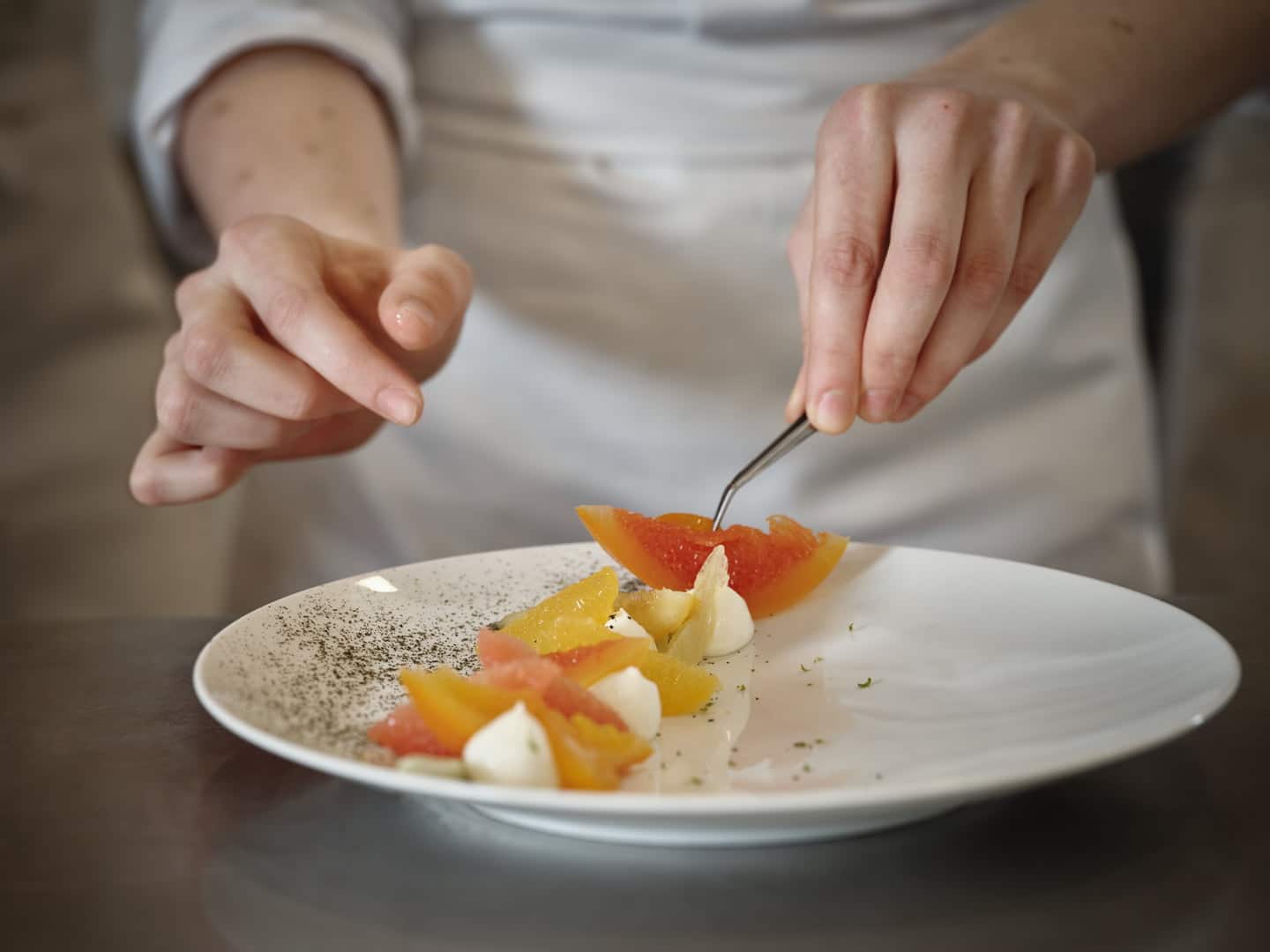
In professional kitchens, volume matters. Students practice high-volume pastry production tasks while learning how to maintain strict quality and consistency standards. They also learn the art of plating desserts for restaurant service, balancing taste, texture and artistic presentation.
Recipe development and innovation
Students learn how to develop and refine recipes, experiment with flavor pairings and adapt classic desserts to contemporary trends such as vegan or gluten-free diets. They’re encouraged to push creative boundaries while maintaining professional standards.
Hands-on labs and theory
Courses tend to combine kitchen lab work with classroom sessions on topics such as food preparation, measurement techniques and equipment quality. You’ll learn how to avoid common errors and understand the ‘why’ behind each process. Training also covers essential food safety practices and industry regulations, including sanitation standards, allergen management and compliance requirements.
Small class sizes and real-world experience
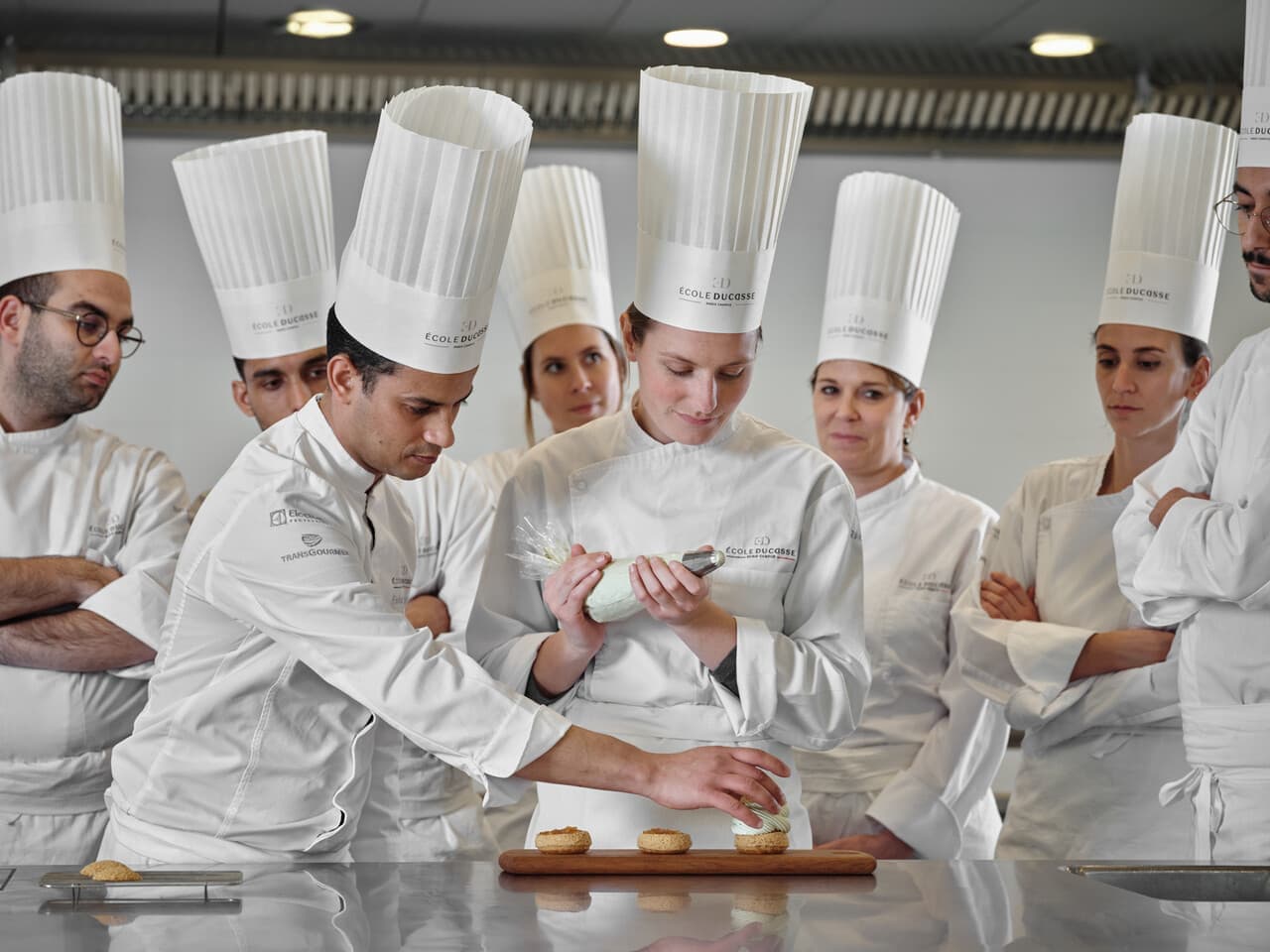
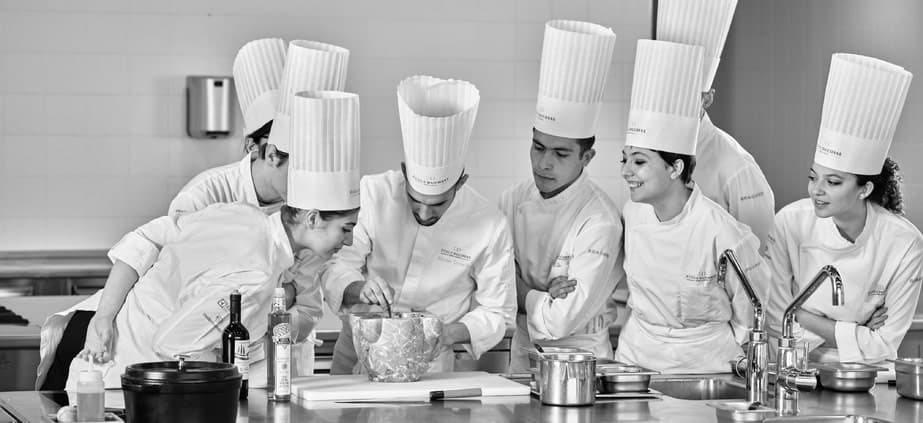
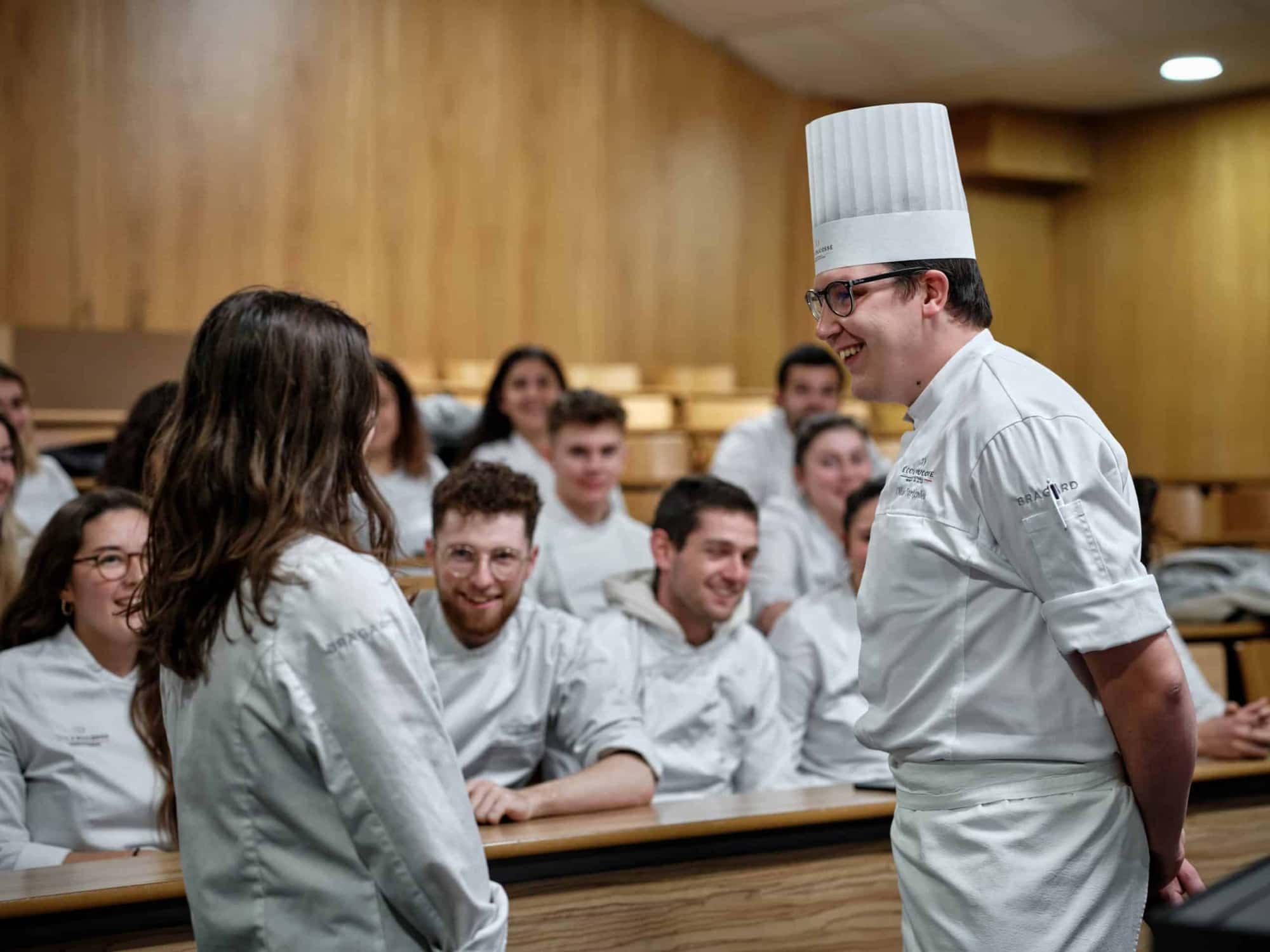
At top schools such as École Ducasse, training takes place in small cohorts, enabling students to receive personalized guidance and real-time feedback from expert instructors. The learning environment reflects the pace and pressure of a professional kitchen, ensuring graduates are ready for the realities of pastry work.
Course options at École Ducasse
If you’re deciding on the right path as a pastry chef, École Ducasse offers tailored programs to suit different experience levels, from beginners to seasoned professionals.
Below, we look at two examples: the Higher Diploma in Pastry Arts for intensive, hands-on experience and the Bachelor's in French Pastry Arts for those seeking advanced skills and leadership training.
Bachelor's in French Pastry Arts
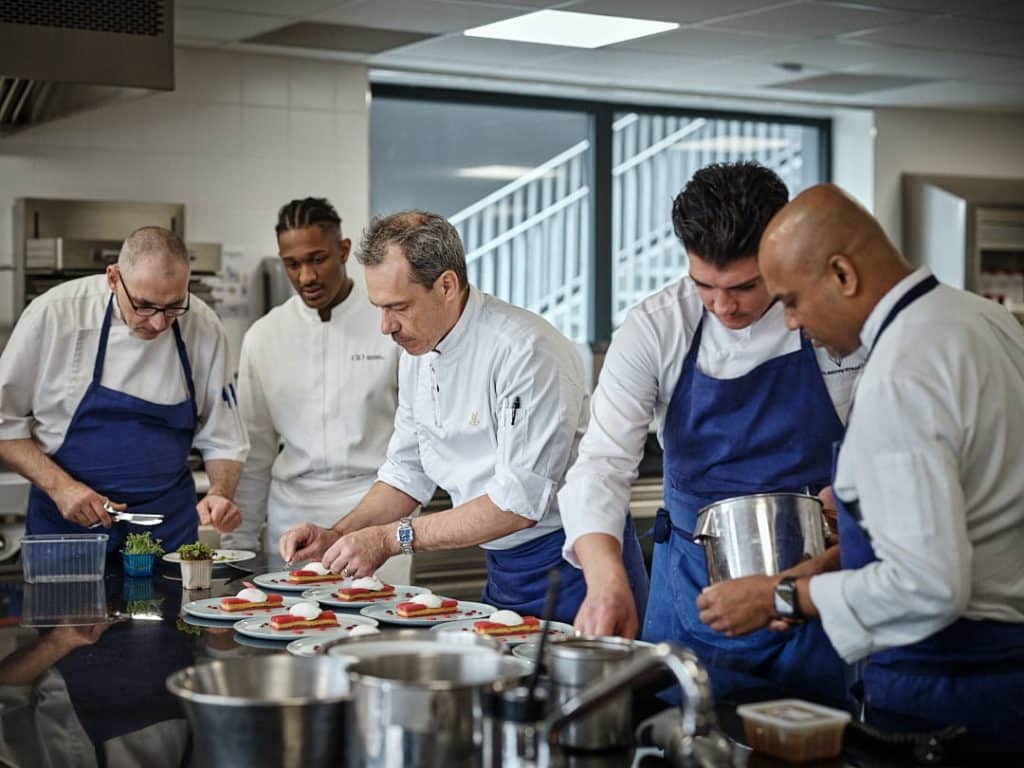
A three-year degree for those seeking a thorough grounding in classic and modern pastry. Students train in pastry production, decoration and artistic presentation while also studying business principles, nutrition, design and customer service.
The Bachelor's in French Pastry Arts blends classroom learning with work in professional kitchen labs and includes exposure to broader culinary arts coursework. Graduates are well-prepared for roles such as pastry chef de partie or even executive pâtissier and develop the skills to manage operations, lead teams and launch their own ventures.
Higher Diploma in Pastry Arts
For those seeking an accelerated, skills-first path, the Higher Diploma in Pastry Arts offers intensive, hands-on training over nine months. This diploma is a top choice for career switchers, line cooks moving into pastry or professionals looking to specialize in high-level dessert execution.
The curriculum covers foundational pastry work, plated desserts, cake decorating and choux pastry, alongside business essentials such as inventory control, costing and stock management. Students also learn to adapt recipes for gluten-free, vegan and seasonal menus, equipping them for a wide range of professional pastry settings.
The bachelor's and diploma programs include internships or externships, giving students real-world experience in restaurants, hotels, catering companies and bakeries. Throughout their studies, students receive mentoring from industry veterans, ranging from Michelin-level chefs to food entrepreneurship leaders.
Who these programs are for
Pastry chef courses at leading institutions such as École Ducasse attract a wide range of students, including:
- Aspiring pastry chefs with little to no kitchen experience
- Apprentices preparing for mid-level roles or advanced certifications
- Culinary students looking to specialize in pastry arts
- Experienced chefs seeking formal certification or advanced techniques
- Entrepreneurs planning to launch a pastry boutique or dessert brand
- Cake designers wanting to refine their technical skills
Many prospective students are curious about what qualifications are needed to be a pastry chef. While formal education isn’t always mandatory, professional training significantly improves your skills, career opportunities and readiness to work in high-level kitchens.
How programs prepare you for the real world
Education is based on real-world training, with students working in live pastry kitchens, using professional tools, managing time-sensitive tasks and adapting to the fast pace of service.
Programs include instruction in:
- Pastry department hierarchy and kitchen workflows
- Customer satisfaction and quality assurance practices
- Recipe development and product testing
- Social media skills for brand building
- Business planning and entrepreneurship, including guidance on starting a food business
- Supplier relationship management, ingredient tracking and menu renewal
Whether your goal is to manage a bakery, run your own pastry business or build a career in the hospitality industry, the structure and variety of learning formats ensure you can develop your skills and grow your career.
Career outcomes after training
Completing a professional pastry course can open doors to a wide range of culinary careers. Whether your ambition is to craft show-stopping cakes or launch your own product line, the right training equips you with the skills and confidence to make it happen.
Career paths
Graduates have gone on to become:
- Pastry chefs in hotels, restaurants and luxury resorts
- Cake designers creating bespoke wedding and celebration displays
- Pastry educators in institutions and private studios
- R&D specialists developing innovative desserts for brands
- Bakery managers leading teams and overseeing production
- Freelance consultants advising on dessert trends, pastry artistry or brand identity
Some alumni join boutique operations, others work with major hospitality groups and a few compete at the highest level in international pastry competitions.
Growth potential and entrepreneurship
Formal training can improve your hiring potential and starting salary. At École Ducasse, you’re encouraged to think like a leader as well as a craftsman, which positions you well for higher-paying roles. Many graduates start in established kitchens before advancing into management or launching boutique patisseries, cafés or other ventures.
Entrepreneurship is built into the learning experience. Courses in business planning, cost control and marketing give you the tools to turn ideas into viable concepts. Combined with guidance from industry mentors and real-world project work, you graduate ready to innovate, lead and take advantage of emerging trends in the global pastry market.
Why train in France?
Training in France offers direct access to the birthplace of modern pastry techniques and one of the most influential culinary cultures in the world. From artisan bread to plated desserts, French patisserie sets the global standard for precision, creativity, and tradition.
Students gain hands-on experience in a country where pastry is deeply woven into everyday life and professional identity. The program includes visits to local markets and pastry shops, exposure to traditional methods, and opportunities to observe how culinary knowledge is passed down through generations.
Studying near Paris also provides access to leading hotels, restaurants, and catering companies across Europe. At École Ducasse, students combine classical French training with innovative techniques, guided by chefs who have worked at top international establishments.
Why École Ducasse stands out
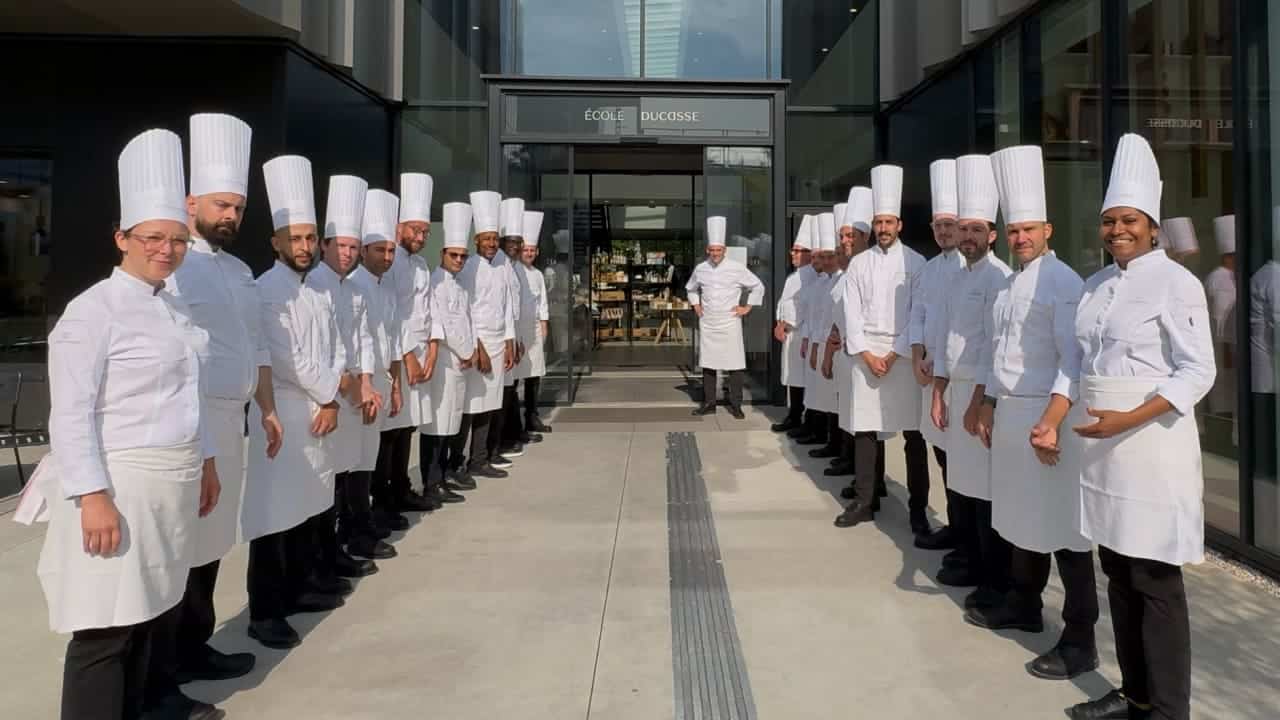
Founded by world-renowned chef Alain Ducasse, the school that bears his name transforms passion into profession, training students to become globally competitive culinary leaders. École Ducasse is equipped with state-of-the-art labs, chocolate rooms, sugar studios and kitchen classrooms designed to mirror the pace and precision of high-end bakeries and restaurants.
Expert instructors focus on core industry skills, including precision baking, large-scale production, recipe creation, product development and kitchen management. Programs blend technical mastery with business acumen, pastry artistry and leadership training.
You’ll learn to work within a professional brigade, progressing through key kitchen roles while honing teamwork, communication and leadership skills. Beyond the kitchen, courses cover social media, visual branding and client relations, which are essential tools for modern culinary professionals.
Hands-on learning, mentorship and access to industry leaders make each program an immersive experience. The school also offers certification pathways to:
- Certified Pastry Culinarian
- CAP Pastry Chef
- Certified Master Pastry Chef
- Food Safety Manager Certification
Flexible learning options
Not every student has the same background or timeline, which is why École Ducasse offers multiple pathways to support a variety of goals. Options include:
- Full-time degrees, such as the Bachelor in French Pastry Arts (three years, including internships)
- Short-term diplomas such as the French Pastry Arts Diploma (22 weeks) or Expert Diploma (eight weeks)
- Essentials programs and seasonal intensives (eight to nine weeks)
- Specialized workshops or custom formats for professionals and temporary-employed individuals (duration varies, often one to five days or a few weeks)
With in-person instruction and integrated online resources, students can choose the format that best fits their schedule and learning preferences.
Conclusion: Start your journey in pastry arts
Professional pastry chef courses are a step toward a rewarding, skill-driven career. Whether you’re mastering artisan chocolate work, perfecting precise measurements or coordinating dessert service for 100 guests, these programs prepare you to thrive under pressure, think like a chef and lead with purpose.
École Ducasse provides a platform for your success. With personalized mentorship, advanced technical training and real-world industry experience, you graduate with a complete skill set. You’ll leave with knowledge, confidence and a portfolio that showcases both your creativity and technical expertise.
Formal training can be a game-changer. Whether your goal is to work in a Michelin-starred restaurant, lead pastry training programs or open your own boutique patisserie, the right course will set you apart.