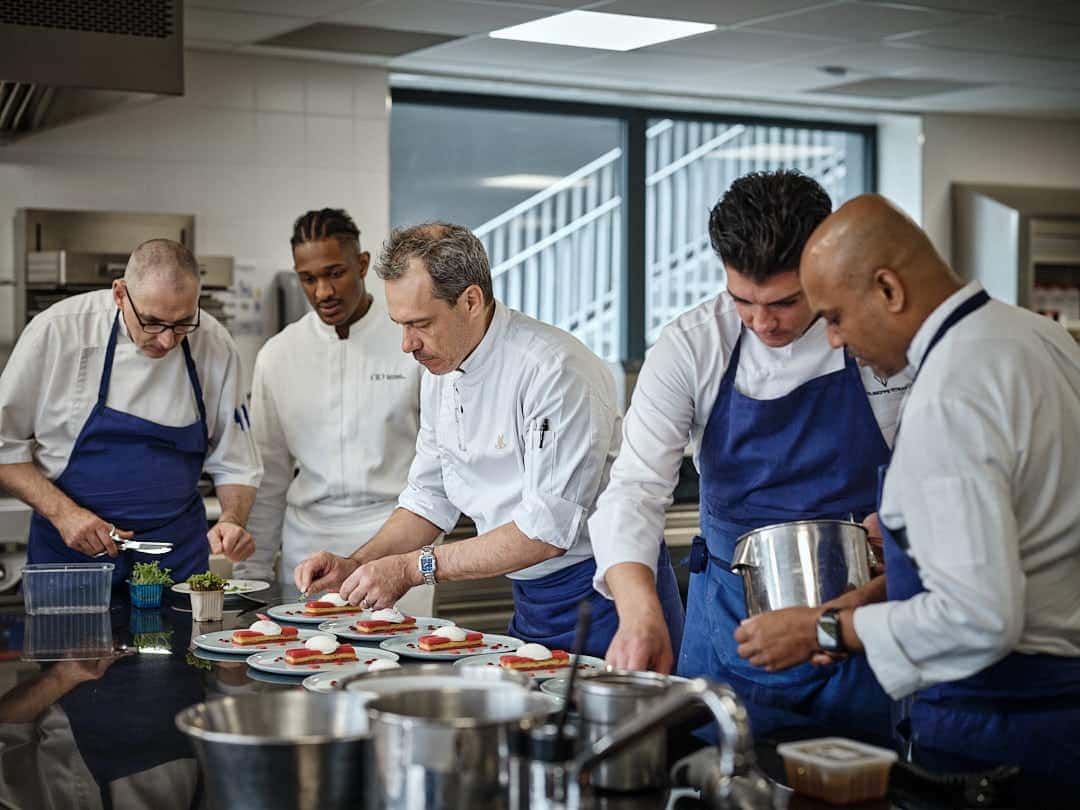
This article covers what certification involves, the types of programs available, how to get started and the impact it can have on your career. Whether you're beginning with a high school diploma or already part of a kitchen brigade, earning a certification can be a pivotal step forward.
What is a pastry chef certification?
A pastry chef certification is a professional credential that proves your skills in baking and pastry arts. It is earned through written and hands-on exams that test specific techniques and industry knowledge. Unlike a culinary diploma or degree, certification focuses on practical competencies. Certifications are offered in levels, allowing chefs to advance from beginner skills to industry-recognized expert status.
Let’s clarify the difference:
- A diploma combines hands-on training and some theory, usually lasting one to two years
- An associate’s degree in culinary arts offers broader culinary training, often including food and beverage studies or management
- A certificate confirms your practical mastery of specific skills such as puff pastry, laminated products, sugar art or petits fours
Many professional bodies and institutions offer multi-tiered certifications, often overseen by a certification commission or national board. Programs may include assessments in a real testing environment, such as the CAP practical exam in France or the ACFEF Culinary Arts pathway in the United States. You may also see structured evaluations that align with a skills recognition framework used in the foodservice industry.
Some internationally respected paths include the Meilleurs Apprentis de France, the ACFEF Apprenticeship Program and internal levels found in schools such as École Ducasse, known for combining classical techniques with industry-focused instruction.
Why get certified?
There are many good reasons to pursue a pastry chef certificate. In the culinary world, your skill level isn’t always visible without formal proof. Certification provides that, boosting your credibility, opening up job opportunities and increasing your career mobility.
Certification helps because it:
- Improves employability in hotels, bakeries and cruise lines
- Confirms your ability to follow food safety and hygiene standards
- Allows you to specialize in techniques such as French desserts, petits fours or chocolate molding
- Increases access to higher-paying jobs in pastry sections or production sites
- Builds your reputation as a professional chef with tested culinary competence
A certified pastry chef's salary tends to reflect their qualification level and experience. Professionals who complete structured programs progress more quickly and qualify for higher-level roles. Certification can also support transitions into baking management, training, people development or strategic planning.
If you’re aiming to lead a team, run a kitchen or manage a food service operation, your ability to communicate clearly is also vital. So it helps if you improve your leadership capabilities by refining your business communication skills.
Types of pastry chef certification programs
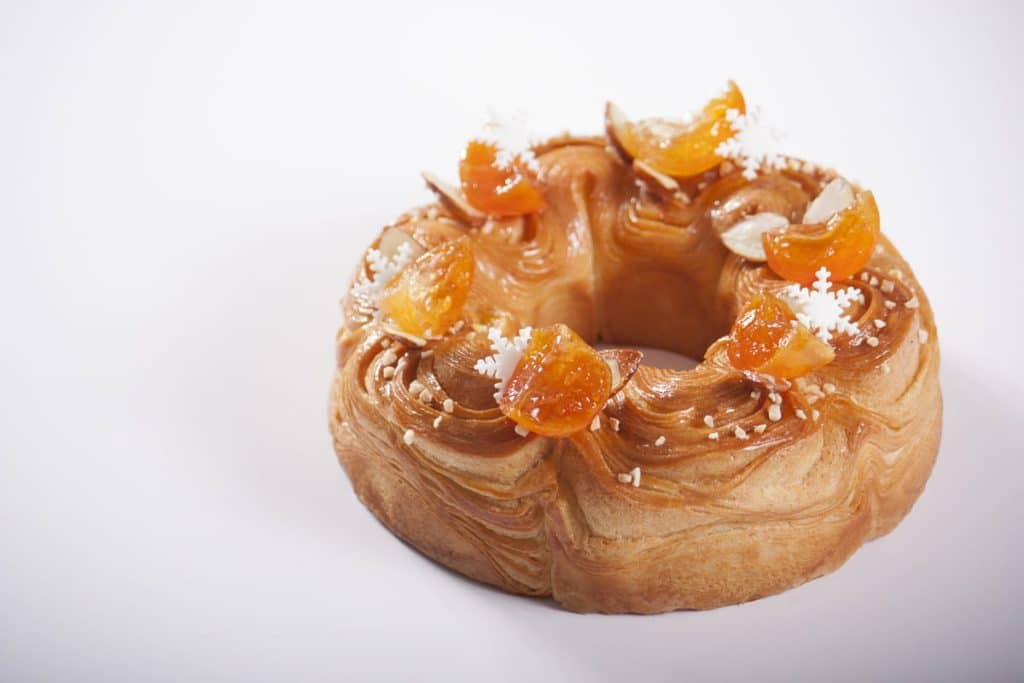
Pastry chef certificate programs come in many forms. You’ll find short workshops, advanced diplomas and full-time degrees that include specialized pastry training. Each format caters to different needs, whether you’re entering the industry, upskilling or preparing for leadership roles.
Here’s a quick breakdown:
- Short-term certificates: focused training in areas such as sugar pulling, cake decorating, choux pastry or laminated doughs
- Diplomas: one to two-year programs offering well-rounded instruction in pastry techniques, baking and dessert products
- Bachelor-level degrees: broader culinary training with modules in labs, food entrepreneurship and leadership development
- Apprenticeship programs: combine academic learning with real kitchen work, often tied to ACFEF or similar national frameworks
- Continuing education hours: suitable for professionals who want to update skills without pursuing a full qualification
These options are available at culinary academies and hospitality institutions worldwide. Some also offer stackable certificates through a process based on progressive levels and testing competencies.
A baking and pastry arts course is an excellent starting point. For those seeking an in-depth and internationally recognised qualification, the Bachelor of Science in French Pastry Arts combines advanced pastry techniques with business training and access to expert instructors. You can also take it further with a Higher Diploma in Pastry Arts, ideal for chefs preparing for leadership in kitchen or bakery settings.
How to get pastry certified
Becoming certified involves research, enrollment, training and assessment. The process can vary based on the country or school but most programs follow a similar structure.
To get started, you should:
- Research programs that match your level and career goals
- Meet prerequisites such as a high school diploma or prior experience in a food service operation
- Apply and enroll, providing documents and fees as required
- Complete training, which may include lab work, chocolate workshops, savory cooking techniques or on-the-job training
- Pass assessments such as practical kitchen exams or portfolio reviews
Programs are typically divided into basic, intermediate and advanced tracks. Entry-level students might begin with a Basic Pastry or a Baking Pastry Program Certificate. Those with more experience can progress toward a Master Pastry Chef or ACF Certified Master Pastry Chef designation. Some institutions also support career progression through formalized testing environments tied to national culinary certification bodies.
A culinary arts degree can also incorporate certification pathways. These often include coursework in food and nutrition science, wine production, cheese styles or cost management. As part of this broader curriculum, pastry training is explored alongside other disciplines as shown in this culinary arts degree overview.
How much does certification cost?
The price of earning a pastry chef certification depends on the institution, program level and location. Short workshops in areas such as petits fours, sugar pulling or puff pastry may cost between $2,000 and $8,000. More intensive programs, such as full diplomas or baking pastry program certificates, often fall in the $10,000 to $20,000 range. If you’re pursuing a degree-level option such as a bachelor’s in pastry arts, annual tuition may exceed $30,000, especially at prestigious culinary schools.
What does the investment include? Leading schools typically offer:
- Fully equipped pastry labs with access to tools such as a Zwilling knife kit
- Courses on the production process, baking management or food and nutrition science
- Lab visits and training in professional cooking environments
- Practical modules in sugar art, laminated products and French pastry techniques
- On-the-job training through internships or apprenticeship programs
Before enrolling, ask whether the program includes modules in cost management, strategic planning and revenue plan development. These extras can make your education more valuable if you’re aiming to lead a pastry team, manage a pastry section or run your own pastry business.
If your dream is to start a bakery or patisserie, then learning about business operations is just as critical as mastering choux pastry. A program that includes elements of food entrepreneurship can help you build a business around your passion. This balance between pastry skills and business knowledge is discussed further in the following food entrepreneurship article.
Real-world experience: an essential part of certification
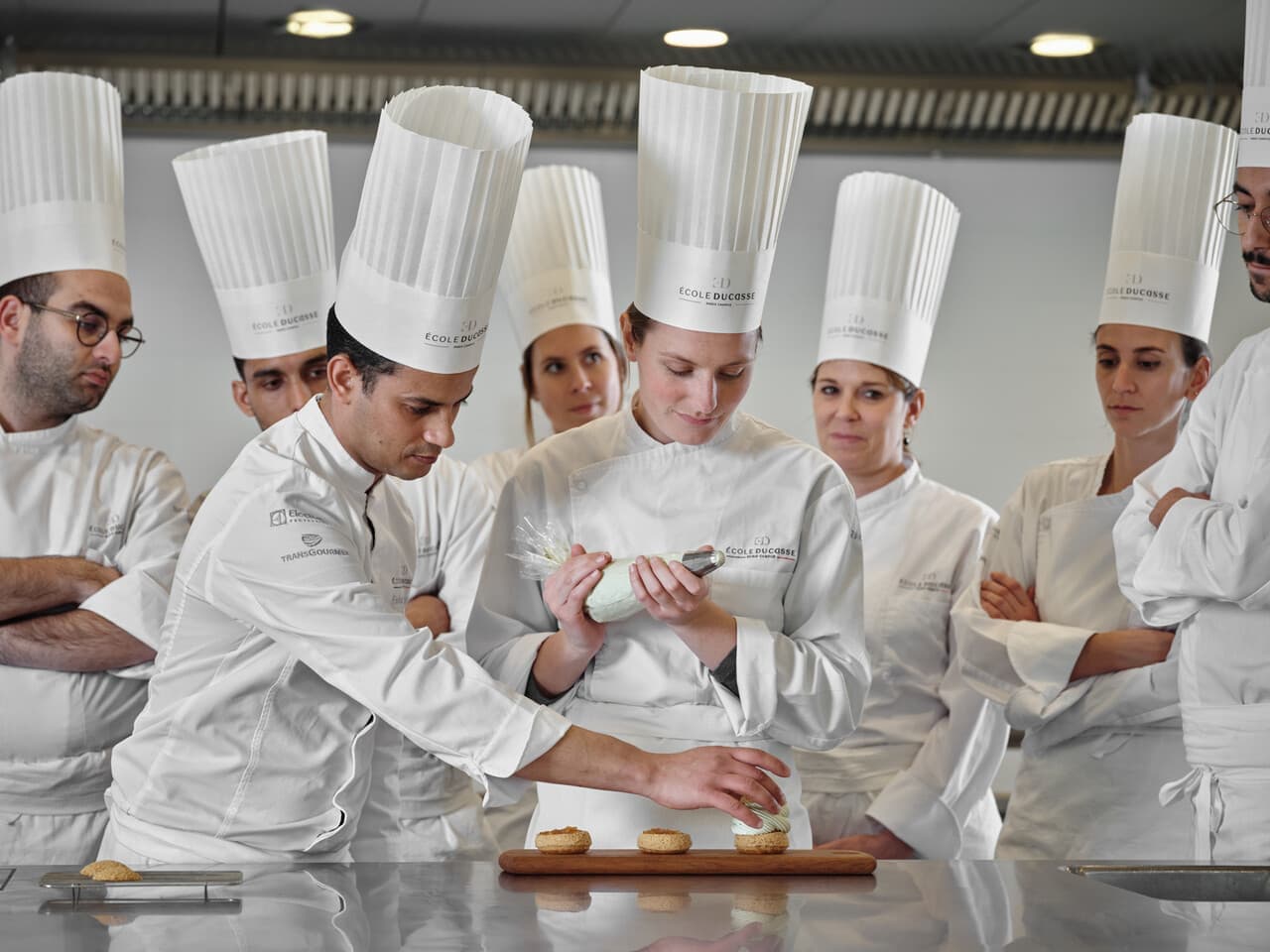
A high-quality pastry chef certification is not earned behind a desk. Hands-on experience is a core requirement in most respected programs. It teaches you how to apply pastry-making skills in a live kitchen environment and prepares you to operate under real-world pressures found in the foodservice industry.
Key components of real-world training include:
- Live production work in an on-campus pastry lab or production site
- Culinary internships in bakeries, hotels or catering companies
- Participation in chocolate workshops or cake decorating masterclasses
- Exposure to the kitchen brigade structure and responsibilities in the pastry section
- Experience in hygiene standards, food safety and culinary competence
Instructors assess your recipe outcomes and your ability to lead, organize and maintain efficiency during service. Many institutions conduct competency testing in a professional setting. Practical exams such as the CAP or tests associated with the ACFEF Apprenticeship Program require precision, planning and mastery of time management.
Gaining real world experience ensures you’re familiar with pastry dough, sugar pulling and cake decoration while also understanding how to operate as part of a team. That’s what sets certified pastry professionals apart. For those interested in the technical side of culinary training, consider exploring the science of cooking for a deeper look at how theory supports practice.
Career outcomes with a pastry chef certificate
Earning this credential opens doors to diverse roles in the culinary industry and foodservice industries. Certification proves you have met professional standards and are capable of delivering consistent results under pressure. Whether you aim to work in a fine-dining kitchen or launch your own brand, the right certification supports that path.
Popular career options include:
- Pastry cook or patissier in luxury hotels or Michelin-style restaurants
- Chocolatier or sugar artist specializing in chocolate molding or sugar art
- Bakery manager handling production scheduling, team leadership and inventory
- Cake designer focusing on event cakes, wedding cakes or artistic presentation
- Culinary instructor involved in training apprentices or people development
- Cruise ship pastry chef managing high-volume service with a rotating menu
For entrepreneurs, the possibilities are wide open. Certified chefs often open boutique shops focused on artisanal baking or launch specialist pastry catering companies.
Many chefs also combine certification with further education to move into senior roles. With advanced training, you can become a chef de cuisine or rise into executive positions, especially if your training includes baking management or food and beverage studies. Differences between these leadership roles are often shaped by kitchen structure, as seen in the executive chef vs head chef comparison.
Certification also helps internationally. If you're aiming to work abroad, knowledge of the terminology and French pastry-making methods gives you an edge. These skills are valued in global kitchens, culinary competitions and even the temporary employment sector. Understanding the structure of French gastronomy and techniques passed down through French culinary school education such as those at École Ducasse or Institut Lyfe positions you as a sought-after professional. Many of the core methods taught, ranging from savoury preparations to classic pastry skills are outlined in this guide on French cooking techniques, which offers a closer look at the foundations behind the training.
Choosing the right pastry certification
With so many options available, selecting the right program involves looking at reputation, training quality and industry recognition. Look for programs that offer a structured certification process, use updated equipment and are led by active culinary professionals.
Here’s what to consider:
- Accreditation by recognized culinary or hospitality bodies
- Clear certification levels from entry-level to master-level
- Real-world exposure through internships, workshops and lab visits
- Curriculum that combines baking and dessert products with leadership and business training
- Alumni success in areas such as kitchen operations, baking supervision or hospitality industry leadership
A good program should cover techniques such as laminated products or pastry dough but also people development and management. A deeper look at what top-tier pastry education includes is available in this culinary school in France overview. It highlights how technical skills and team leadership are developed together.
Conclusion: your journey from passion to profession
A pastry chef certification can transform your passion into a recognized qualification. It demonstrates your ability to meet industry standards, master techniques such as puff pastry or sugar pulling and work efficiently in professional kitchens. Whether you're starting with a basic pastry certificate or progressing to master-level credentials, certification gives you structure, support and a clear career direction. You don’t need to be perfect to begin, just willing to learn. With real-world training, expert instruction and access to global opportunities, you can turn your love for baking into a long-lasting career in the culinary and foodservice industry.