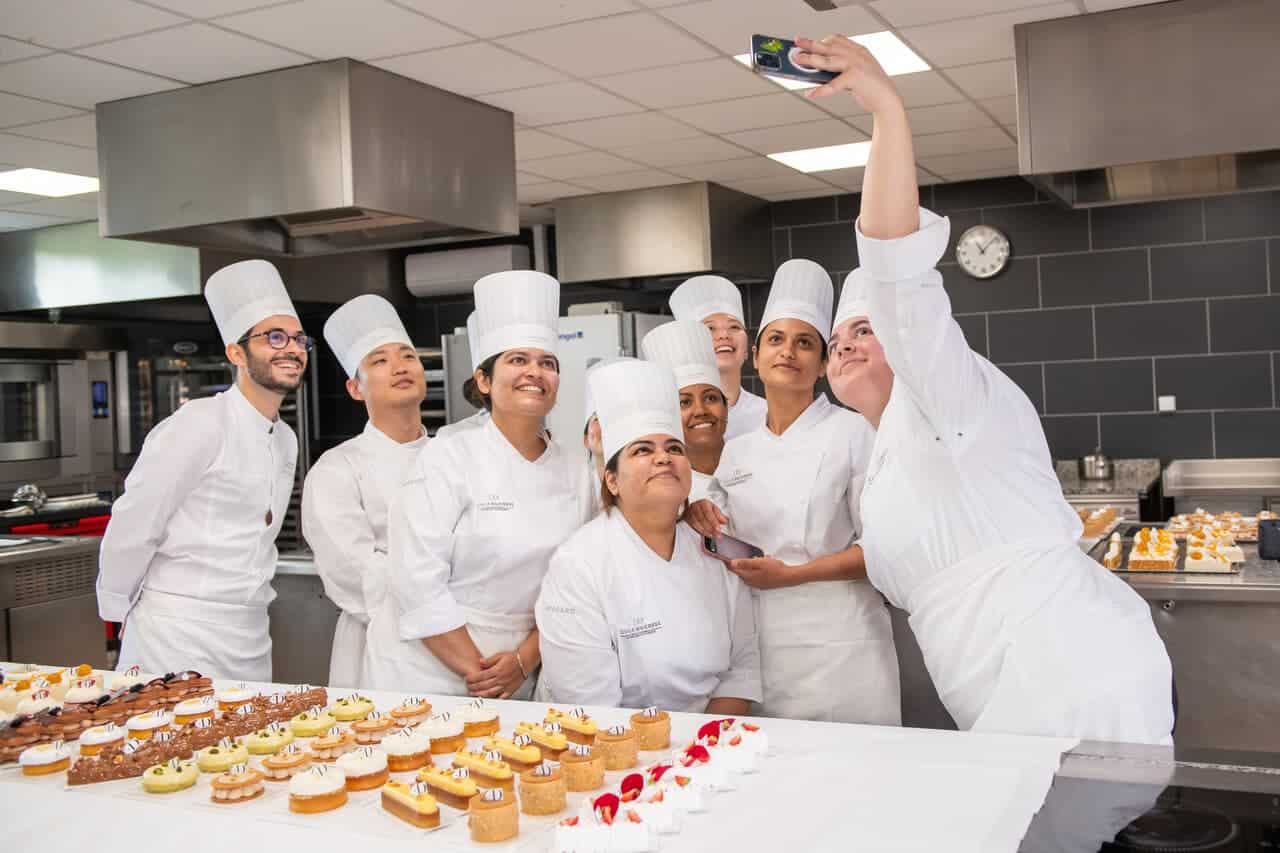
Whether you want to become a professional chef, improve your home cooking skills or start your own food business, remote learning platforms now offer high-quality, flexible training.
In this article, we’ll explore the benefits of online culinary classes, what you can expect from them, who they’re best suited for and how to choose the right one.
What are online culinary classes?
Online culinary classes are virtual programs that teach cooking techniques, kitchen skills, and food knowledge through video lessons, live demonstrations, and interactive assignments. They range from beginner tutorials to advanced professional training and cover topics such as knife skills, baking, international cuisines, and nutrition.
These classes are typically led by experienced chefs or culinary instructors and are designed for flexible, self-paced learning. Students can access high-quality training from home, making culinary education more affordable and accessible without the need to attend in person.
Benefits of studying culinary arts online
Remote training offers aspiring chefs flexibility, affordability and expert instruction without the need to relocate or disrupt daily life. Below, we cover some of the main benefits.
- Flexible learning that fits your lifestyle
Online programs let you create your own schedule, so they’re ideal for night owls, weekend learners or those balancing other responsibilities. This flexibility is especially useful for international students or those in remote areas.
- Access to expert chefs from anywhere
With a good internet connection and a basic kitchen, you can learn from top-tier chefs with decades of experience. There's no need to compete for access or attend in person; online learning puts their expertise just a screen away.
- Cost-effective without compromising quality
Remote courses cut costs on travel and housing while maintaining high-quality instruction, provided it's from a reputable institution. Recorded sessions enable students to revisit lessons, sharpen skills and refine techniques at their own pace and on budget.
- Developing key skills for the kitchen and your career
Online culinary training helps you build practical and interpersonal abilities essential for success. You'll gain the tools needed to thrive in professional environments, from mastering techniques and recipe development to strengthening leadership, teamwork and business communication skills.
What to expect from a professional online culinary program
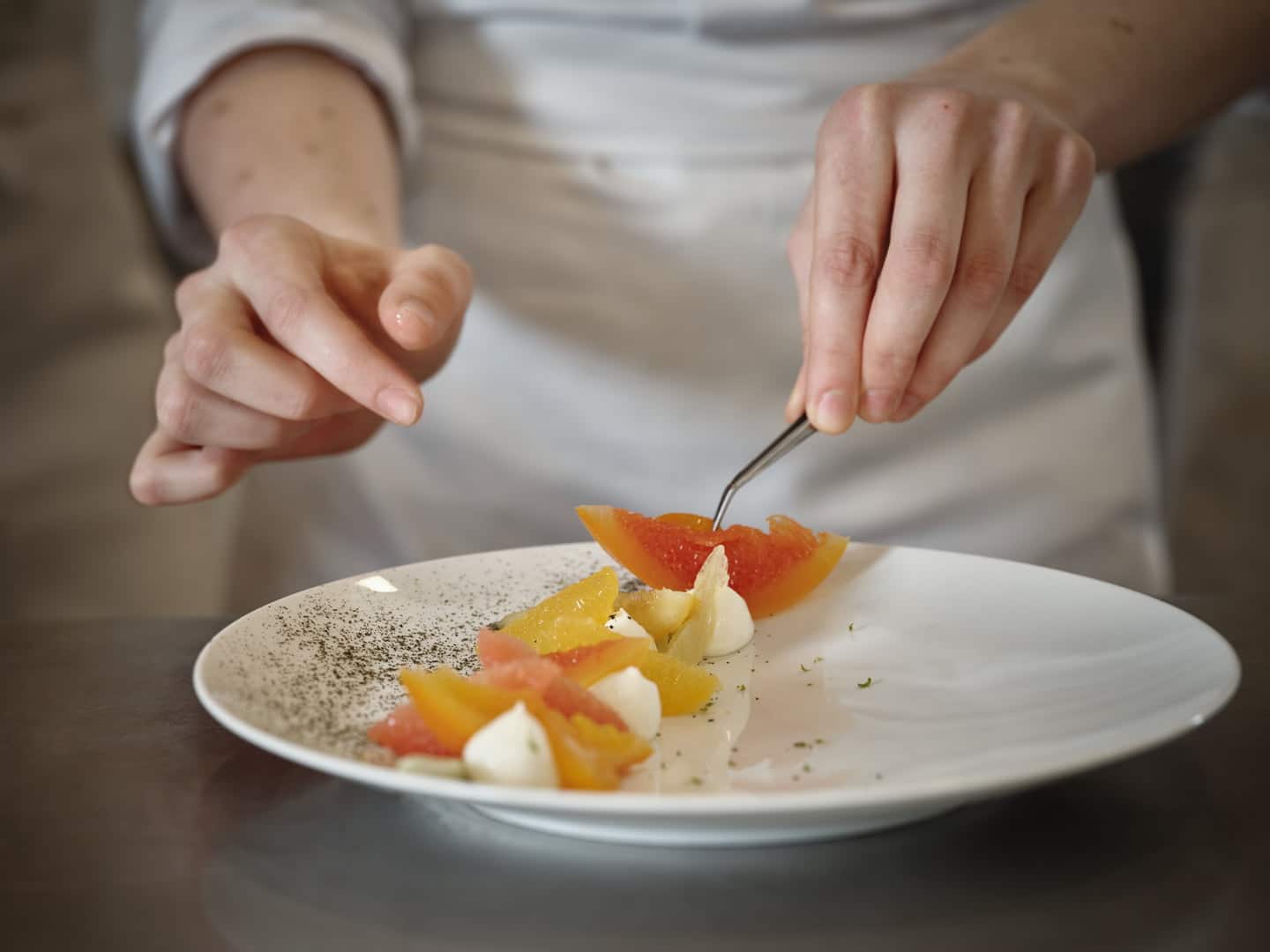
A good virtual course follows a structured path, beginning with foundational techniques and progressing through knife skills, prep, plating and full dish execution. Assignments are goal-oriented and reflect real-world kitchen standards.
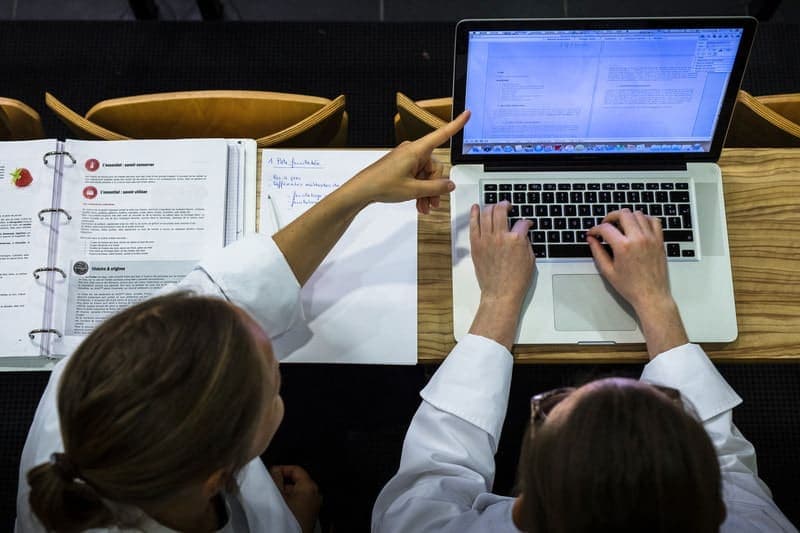
Course formats typically include video lectures, written material, virtual classes and assessments of practical work. Instructors review submitted work, such as recorded demos or dish photos, and provide feedback on elements such as texture, flavor balance and timing.
Interactive elements, including Q&A sessions, forums and group chats, help foster peer connection, shared learning and a sense of community that compensates for the lack of a physical classroom.
Before each practical class, students receive prep packets with shopping lists and setup tips. Well-designed programs also guide ingredient substitutions, tool management and common issue troubleshooting.
Who online culinary classes are ideal for?
Virtual learning is an excellent option for a wide range of students. For those facing travel barriers or visa complications, enrolling in an online culinary school offers a practical and immediate solution. They’re also great for individuals with demanding schedules who want to upskill without having to abandon their current responsibilities.
Online culinary classes are particularly suitable for:
- International students seeking accessible training without the challenges of relocation
- Working professionals in hospitality aiming to improve their skills while remaining employed
- Career changers looking to build a new path in the culinary field
- Aspiring food entrepreneurs launching their own ventures
- Parents who need flexible learning options that fit into family life
- Passionate home cooks wanting to sharpen their skills or explore new cuisines
Common course types you can study online
As remote culinary education grows in popularity, so do the specialized areas of focus available to students. Targeted tracks now enable learners to build specific skills aligned with their interests or career goals.
Pastry and baking
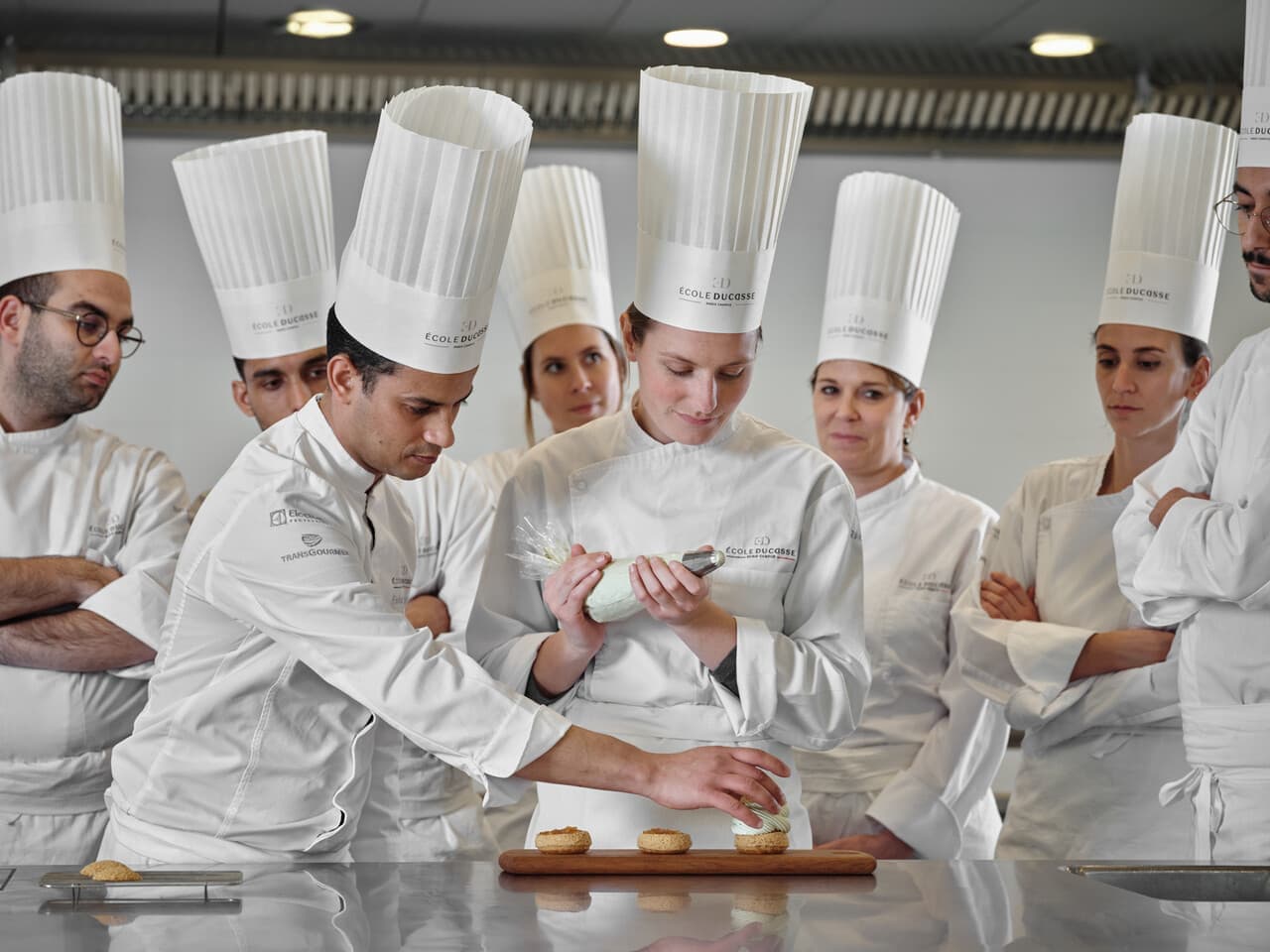
Among all specializations, this one is among the most popular for online learners. Through virtual baking and pastry arts courses, students explore techniques such as dough shaping, chocolate tempering, mousse preparation and assembling plated desserts. These classes are ideal for aspiring pastry chefs seeking professional, remote training.
Plant-based cuisine
This specialization has gained significant momentum in recent years. Many platforms now offer plant-based courses centered on sustainability, nutrition and modern dietary preferences. These promote flavor layering, global culinary influences and ingredient innovation.
Other culinary specializations
Alternative specific areas of focus include restaurant operations, food styling, wine tasting and culinary entrepreneurship. Some programs delve into more advanced topics, such as multi-sensory dining experiences or fermentation and preservation methods.
For those passionate about classic methods, there are also courses in traditional French cooking techniques, which continue to be held in high regard across the culinary world.
How to choose the right online culinary course
With so many options available, you should consider a few key factors when trying to find the most suitable program. Follow these steps to evaluate your choices and pick the best fit for your goals and learning style.
Step 1: check for accreditation or recognition
Start by confirming the course is accredited or recognized. While not all programs require formal approval, those leading to professional cook certification should be aligned with reputable culinary institutions or governing bodies.
Step 2: understand the teaching format
Next, consider the course’s structure. Some students thrive in live, interactive environments, while others prefer the flexibility of on-demand video lessons.
A good program will clearly state whether instruction is live, pre-recorded or a combination of both. Review instructor profiles as well; qualified chefs with real industry experience add authenticity and professionalism to the learning process.
Step 3: evaluate hands-on training
Assess how the course delivers teaching. Are you expected to complete weekly assignments? Will you receive guidance on ingredient selection or substitutions? Does the program include live video support or offer feedback on submitted work? The most effective courses provide consistent support, even when you're working from your own kitchen.
Step 4: align the course with your long-term goals
Finally, consider your objectives. Are you aiming to work in a restaurant, launch a catering business, start a food content channel or specialize in nutrition-focused meal planning? Select a course that offers a clear pathway to your goals. Also, consider whether you want to begin with online learning and later undego formal training at a prestigious culinary school.
Are online culinary classes as effective as in-person ones?
This is a common and valid question. In-person culinary training has long been considered the gold standard, particularly for its immediate feedback, hands-on instruction and access to professional-grade equipment. However, that doesn’t mean online learning is inherently less effective. For many learners, it can be more practical and equally enriching depending on the program and the student’s goals.
One major advantage of online classes is the ability to replay lessons, slow down demonstrations and practice techniques multiple times at one's own pace. This flexibility helps ensure key details aren’t missed. While in-person programs rely on real-time instruction and correction, virtual classes often place greater emphasis on individual responsibility, self pacing and self assessment.
That said, online learning requires discipline and consistency. Without a structured environment, it’s easier to lose momentum. Setting personal goals, following a regular routine and engaging in peer discussions or online forums can help maintain motivation. Many programs also offer optional check-ins, instructor feedback or virtual mentorship for additional support.
In some cases, in-person training is a valuable next step. For example, if you're preparing for a leadership role or need experience with advanced commercial equipment, enrolling in a physical culinary school following an online course may be the best option.
Career paths after online culinary training
One of the most exciting aspects of completing a virtual program is what comes next. With your training complete, especially if you’ve earned a recognized professional culinary certification online, a wide range of career opportunities becomes available.
Starting your own culinary venture
Many graduates choose to launch their own culinary businesses. This could include starting a restaurant, operating a food truck, offering bespoke meal prep services or running a home-based catering operation.
Entering professional kitchens through internships
Others pursue internships or apprenticeships in commercial kitchens. Your online training shows commitment and foundational skills, qualities that appeal to restaurants seeking motivated talent.
Working as a freelance or private chef
Freelancing is an increasingly popular career path. Some trained chefs work as private cooks for families, host supper clubs or lead culinary workshops. The chef skills gained through interactive cooking courses can translate into roles in instruction, consulting or becoming a culinary content creator.
Advancing to higher education
Another option is to go further along your culinary educational path. Many graduates choose to pursue diploma or degree-level programs, available online, in person or through hybrid formats. These offer students the opportunity to develop deeper knowledge in specialized areas, broadening expertise and career potential.
Progressing to senior roles
Online culinary training can lay the foundation for advancing into senior kitchen positions. More advanced or specific courses tend to dive deeper into topics such as kitchen management, menu planning, cost control and staff supervision, which, alongside real-world experience, can help prepare you for leadership positions, including head chef or executive chef.
Specializing in advanced or niche areas
If the online course you completed focused on a specific topic, such as gluten-free baking, molecular gastronomy, or regional cuisines, you may now be ready to work in that field. Alternatively, if you completed a general culinary program covering a range of topics, it may have helped you identify your interests, which you can explore further through advanced training.
In summary: a modern path to a culinary career
Online courses are a legitimate way to gain the knowledge, experience and qualifications needed to advance your culinary career. For many, they offer a practical and affordable route into the industry or toward promotion, making the field more inclusive by removing barriers such as location and cost.
With passion, commitment and a strong work ethic, the culinary world, and all the incredible opportunities it offers, is now more accessible than ever thanks to this modern learning format.