Tuition is just one piece of the puzzle. You’ll also need to consider costs for equipment, ingredients, housing and, if you're studying abroad, visa-related expenses.
In this guide, we’ll break down the costs of pastry school by region and program type. You’ll learn about tuition ranges, hidden fees, financial aid options and what kind of return you can expect on your investment, giving you the clarity you need to make an informed decision.
What does pastry school typically cost?
It’s important to understand that prices vary widely by country, type of institution and the program’s duration.
Europe
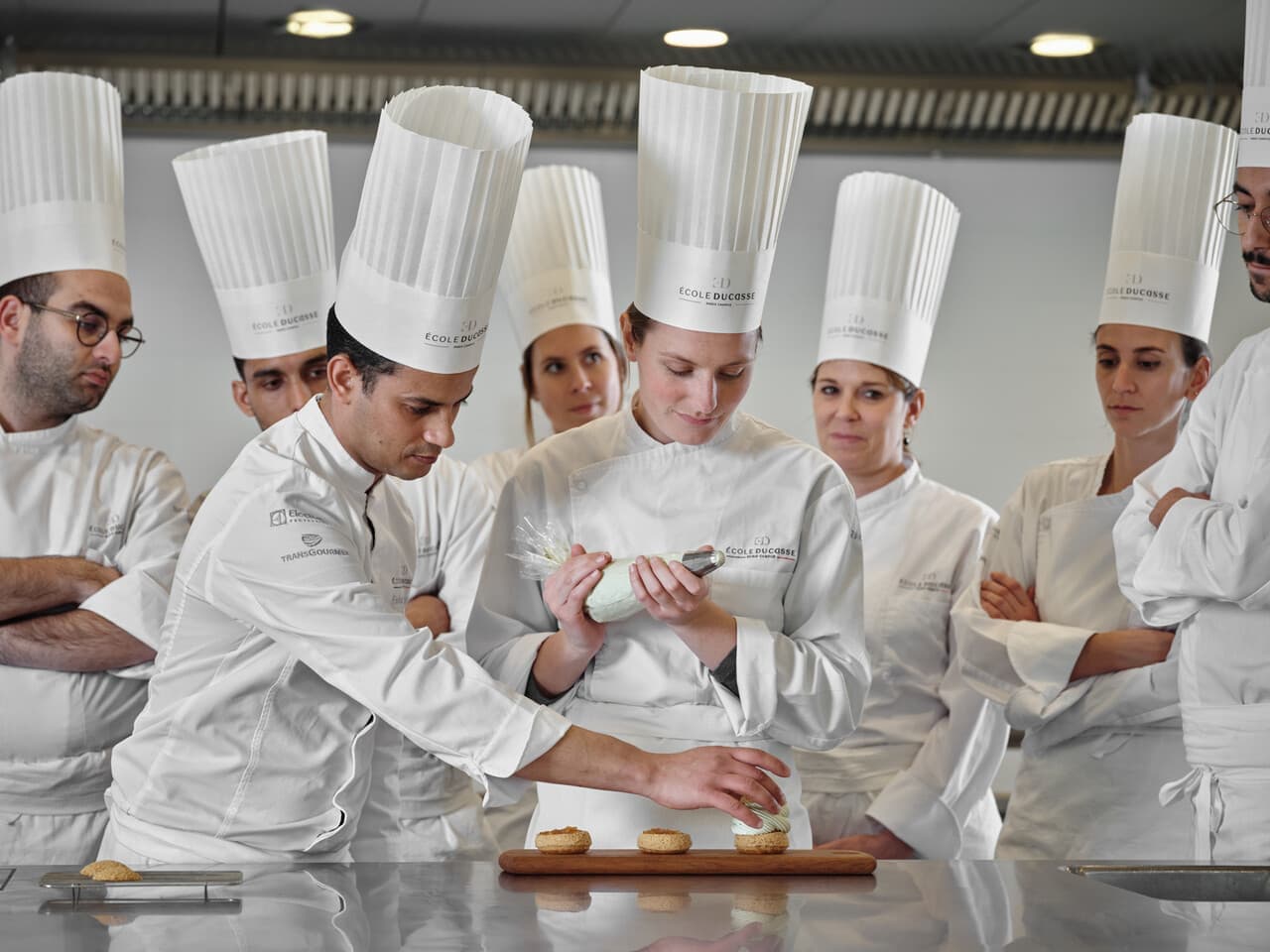
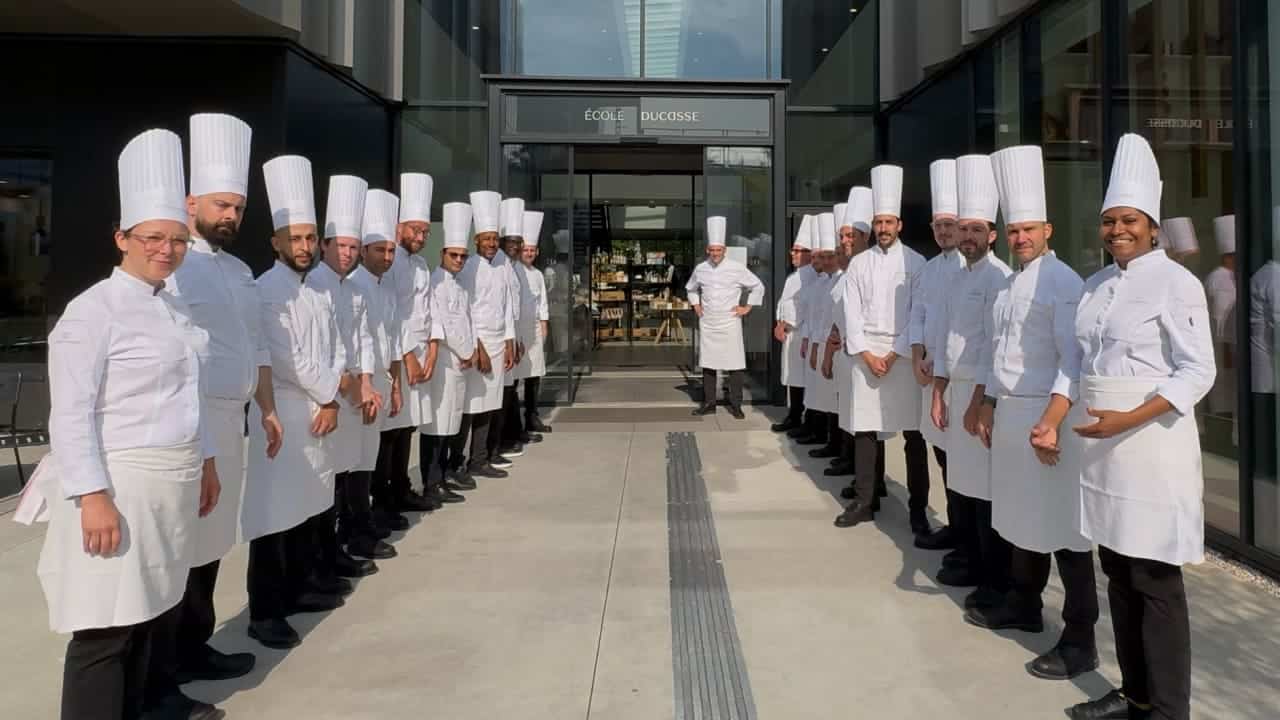
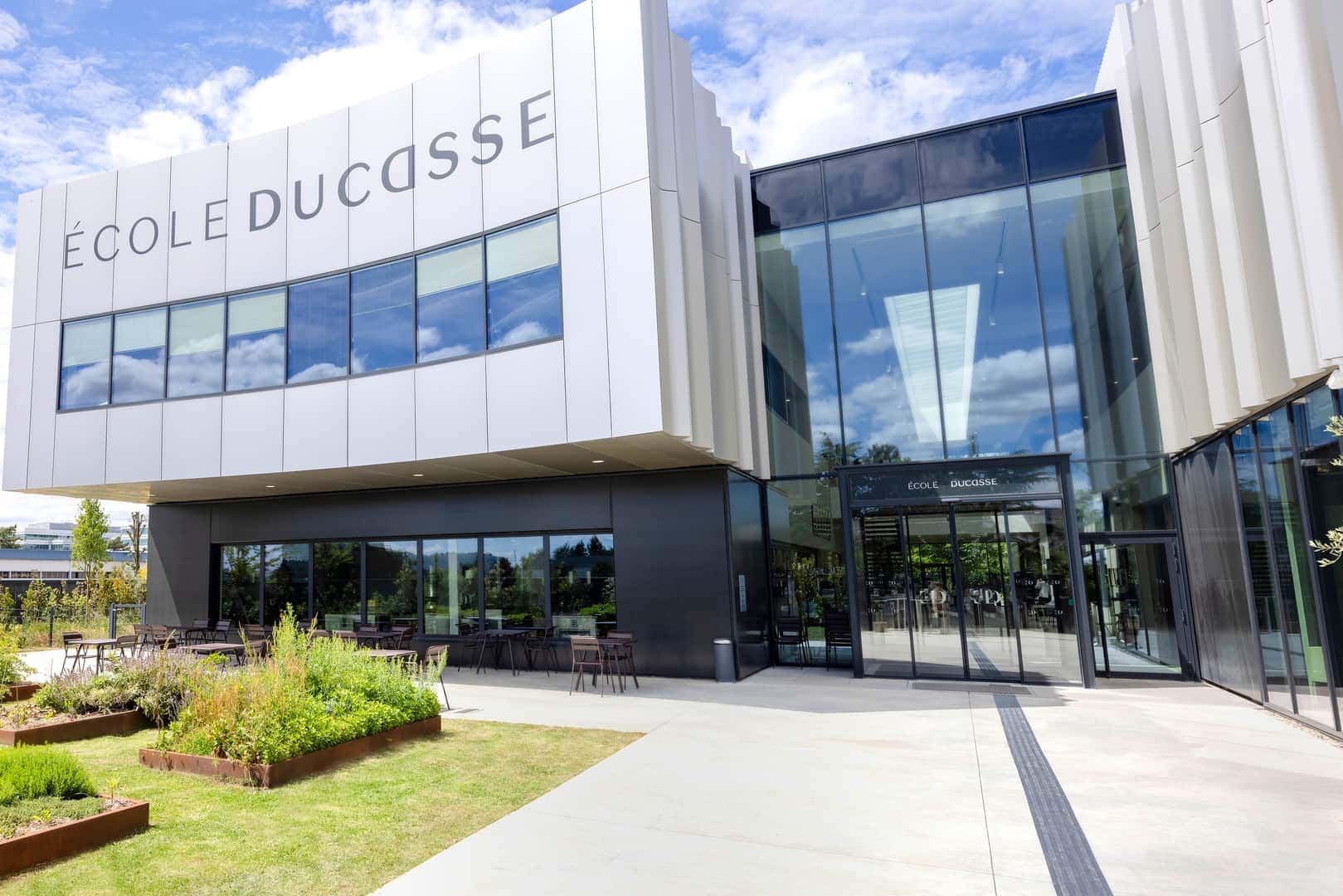
In Europe, private institutions such as École Ducasse, a leading culinary school in France, typically charge between €13,000 and €18,000 per academic year. Its programs, such as the Baking and Pastry Arts course, usually include access to professional kitchens, international faculty and immersive, hands-on training.
Public culinary schools in Europe are more affordable, but they may require proficiency in the local language and compliance with residency rules.
United States
According to Data USA, the median tuition fee for Baking and Pastry Arts programs is approximately:
- $4,410 at in-state public colleges
- $13,776 at private institutions
Many students pursue associate degrees through community colleges or accredited culinary institutes. Some of these programs adhere to standards established by the American Culinary Federation (ACF) or its educational foundation.
While tuition fees usually cover core instruction, there are often additional costs for uniforms, tools and ingredients. We break down these hidden expenses in more detail later in this guide.
Tuition by type of program
Another critical factor affecting the cost of pastry school is the kind of qualification you are pursuing. Program formats vary widely depending on your career goals and availability.
Short-term certificate programs
Ideal for entry-level professionals, these programs typically last from a few weeks to several months. They generally cover kitchen skills, food cost control and the use of baking tools. Fees usually range from $3,000 to $10,000 and may be offered in residential formats or through online platforms.
Diploma programs
Typically lasting six to 12 months, diploma programs cover key techniques used in the pastry industry, including food safety, allergen management and proper use of baking equipment. Some programs also include modules on nutrition and cultural food customs.
Tuition at reputable schools ranges from $12,000 to $25,000, depending on factors such as location, field trips and enrichment classes. For an advanced option, consider exploring the Higher Diploma in Pastry Arts.
Bachelor's degrees
A full degree, such as an Associate of Science in Baking and Pastry Arts or an Associate of Applied Science, can take up to three years to complete. These programs cover a broad range of topics, including culinary math, menu design, operations management and student activity planning.
They also explore food sourcing, technical writing for recipes and cost documentation. A popular option is the Bachelor in French Pastry Arts, which combines professional pastry training with business and foodservice education.
Hidden and extra costs to consider
Tuition fees are only part of the cost of attending pastry school. Many students overlook the hidden expenses that can add up quickly and significantly increase the total cost.
Ingredients and equipment
Hands-on programs require high-quality raw materials and specialized tools. Some schools charge a flat fee for essentials such as flour, chocolate and sugar. Others require students to buy their own equipment, including whisks, measuring scales or knives.
Books and course materials
If your program offers certifications, such as Certified Pastry Culinarian or a Baking and Pastry Certificate, you may need to purchase textbooks, recipe guides or online tools and resources.
Housing and travel
Living expenses can be just as high as tuition fees, especially in major hubs where rent is expensive. Some students live with family to cut costs, while others move into student or off-campus housing. Then there are transport, food and personal expenses, which can also be a significant portion of your budget.
Uniforms and gear
Many programs require work clothes, non-slip shoes and kitchen tools that are not always included in tuition. Additional costs may arise from optional classes, field trips to restaurants or farms and extracurricular activities such as workshops or student competitions.
International student costs
If you’re coming from another country, factor in visa fees, health insurance and local registration, which can cost several hundred dollars.

How pastry schools justify the cost
It’s important to consider whether the price you would pay for a program at a renowned institution is worth it for you. In short, the value lies in the expert training, hands-on experience and the valuable connections you’ll make during the course.
Expert instructors
Top pastry schools are led by seasoned chefs with decades of real-world experience. They guide you through flavor development, menu planning, presentation design and modern technologies such as kitchen display systems and digital temperature controls.
Accreditation and industry recognition
Many schools hold affiliations with respected organizations such as the World Association of Chef Societies, which sets international culinary standards, or are accredited by the Council on Occupational Education. This national body ensures career and technical programs meet rigorous quality requirements.
Learning by doing
Instead of just studying textbooks, students work daily in production kitchens designed to feel like real foodservice environments. Some schools even run on-site restaurants where students handle inventory, customer service and menu creation in a live, fast-paced setting.
Comprehensive training
Programs often include operations management, knife skills, baking techniques and decorating skills, all of which are essential to excel in demanding professional environments. Many programs include field experiences that connect students with ingredient sourcing and sustainability practices, helping them understand how quality and origin influence the final product.
Well-rounded curriculum
Beyond pastry skills, you’ll explore topics that include recipe development for special dietary needs, the use of specialized culinary equipment, the science of cooking, global dessert traditions and the business skills that keep kitchens profitable, such as cost control and managerial accounting.
Are there financing or scholarship options?
Paying tuition fees all at once is not possible for many students. Fortunately, there are several ways to obtain financial support:
- Payment plans and federal aid: many schools let you spread the cost over several months or terms. Depending on your program and location, you may qualify for federal student aid. Veterans and active-duty service members may also be eligible for VA education benefits to help cover pastry chef training costs
- Grants and scholarships: funding is available through schools, industry organizations and external agencies. These may support students in career culinary arts, pastry and hospitality programs, depending on eligibility requirements
- Employer support: some businesses offer tuition reimbursement or sponsorship for advanced culinary training, especially in foodservice management or operations leadership
- International funding: students outside the United States may access support from global scholarship programs or their own government’s aid initiatives to help finance accredited diploma courses abroad
Students applying for scholarships should prepare applications that highlight their technical skills, leadership abilities and commitment to a long-term career in the industry. Clear communication in writing and during interviews can make a significant difference. For tips, see our guide on business communication skills.
What’s the return on investment?
Pastry school is an expense, but it’s also an entry point into a growing, creative industry that values skill, precision and passion.
Employment opportunities
Graduates from accredited baking and pastry programs often find work in high-end hotels, restaurants or catering companies.
Starting salaries range from €23,000 to €40,000 per year, depending on the country, city and employer. With experience, most progress into management or leadership roles, which pay significantly more.
Entrepreneurship
Many graduates start food trucks, dessert shops, boutique patisseries or open their own bakeries. If you want to start your own business, our guide on how to start a restaurant can help with planning, budgeting and early decision making.
Specialized areas
Demand is rising for expertise in areas such as artisan bread and viennoiserie, where mastering sourdough fermentation and lamination techniques can set you apart. Some schools now offer specialized programs in chocolate and confectionery arts, sugar sculpture or advanced cake design, providing diplomas or intensive modules in these fields.
Another specialized area is hospitality technology. Pastry chefs trained in foodservice math, sourcing and automation are well-positioned to work with hotels and food companies, helping them adopt new technologies and modern culinary tools.
Choosing a school that aligns with your goals
Cost and credentials matter, but the best school for you should also match your learning style, lifestyle and career direction. Consider the following to choose wisely:
1. Review the curriculum
Look for programs that combine hands-on kitchen training with classroom learning in:
- Foodservice operations
- Hospitality and restaurant management
- Managerial accounting
- Menu planning and design
- Food allergy awareness
A well-rounded program will prepare you for today’s pastry and culinary careers.
2. Evaluate the learning environment
The best schools do not limit learning to the classroom. Look for programs that offer:
- Enrichment activities: field trips to farms, markets or food festivals; guest lectures from industry professionals; hands-on workshops in specialty techniques
- Specialized facilities: professional-grade kitchens, pastry labs, chocolate tempering rooms, fermentation spaces or sensory tasting labs
- Industry connections: partnerships with local restaurants, hotels or bakeries; collaborative projects with food producers; access to pop-up events or catering opportunities
- Real-world experiences: internships, externships or live service events where students cook for paying guests
- Creative spaces: dedicated areas for menu development, plating design and recipe testing
3. Think about location
Where you study affects your experience:
- Urban and bustling: big-city campuses offer high-energy, diverse culinary influences and exposure to major food events and industry leaders
- Small-town or suburban: tight-knit communities provide a more personal atmosphere, closer instructor relationships and fewer distractions
- Regional specialties: some areas give you direct access to unique local ingredients, culinary traditions or seasonal food festivals
4. Check graduate outcomes
Success after graduation matters. Look into:
- Alumni career stories
- Employer partnerships
- Job placement rates
5. Match training to your career path
The right program should align with where you want to go in the culinary world. Think about your long-term goals and choose a school that offers training in areas such as:
- Traditional or French-inspired methods: programs that teach classic French cooking techniques, pastry fundamentals and traditional plating styles
- Leadership roles: courses in kitchen management, cost control, staff training and running a pastry operation
- Modern or innovative cuisine: training in contemporary flavor pairings, advanced decoration or seasonal ingredient–driven menus
- Specialty careers: modules focused on baking, pastry arts, chocolatiering, artisan bread-making or cake design
Making sense of the numbers
So how much does pastry school cost? It varies based on the program type, location and your career goals. Tuition fees are a big part of the investment, but they’re not the whole story. You also need to consider hidden costs, the real-world value of the training and the potential return on your investment.
Whether you choose a short certificate or a full associate degree, it will open the door to an industry that offers creativity, innovation and career growth. With the right program, training and mindset, your investment can lead to a rewarding and lasting career.