This guide outlines ten essential techniques for pastry students, intermediate bakers and anyone striving for professional standards. It also highlights how formal training can build confidence by introducing concepts such as gluten development, leavening and caramelization, processes that transform raw ingredients into refined pastry work.
Why baking technique matters
An essential part of baking is understanding what each step does and why it matters. For example, heat transfer through conduction and radiation affects how evenly a cake bakes, while proteins in egg whites and flour influence rise and texture. Even the temperature of butter impacts how it emulsifies with sugar during the creaming process.
In professional kitchens, precision and consistency are everything. A small mistake, such as using too much flour, overmixing or misreading the oven dial, can completely alter the final result. That’s why chefs rely on calibrated equipment, accurate scales and a deep understanding of how ingredients behave.
If you're interested in the how and why of baking, our guide on the science of cooking offers a deeper look at the principles behind each method. For those considering pastry training, a culinary school in France teaches classical techniques grounded in precision and finesse.
10 essential baking techniques every pastry chef should master
Below are the core baking methods every aspiring pastry chef needs to understand and apply.
1. Creaming
This involves mixing butter and sugar until a mixture becomes light and fluffy. Creaming incorporates air into the batter, helping baked goods rise and develop a tender crumb. Commonly used in cookies, cakes and scones, it works best with butter at room temperature. The result should be pale in color and increased in volume.
Creaming can be done with a stand mixer or by hand using a whisk, though a mixer yields more consistent results. Timing and consistency are crucial, as this technique is the foundation of professional baking and is often taught early in pastry training.
2. Folding
A gentle technique used to incorporate whipped egg whites or cream into batter without deflating it. Folding is commonly used for sponge cakes, soufflés and mousses. The motion involves lifting the batter from the bottom and folding it over the lighter mixture to maintain airiness.
Use a rubber spatula to help preserve volume and avoid over-folding, which can deflate the mixture and result in a flat final product.
3. Blind baking
This technique involves pre-baking a pastry shell before adding the filling. It helps prevent soggy bottoms, especially in custard- or fruit-filled tarts. To blind bake, line the pastry with parchment paper and fill it with baking beads or dried beans to weigh it down.
This method ensures even cooking and is essential for recipes such as quiches and lemon tarts. Using metal tart rings or springform pans can help distribute heat more evenly for consistent results.
4. Proofing
This step allows yeast dough to rise before baking, developing volume and texture as gas is released during fermentation. Proper proofing requires a warm, humid environment and careful timing.
Under-proofed dough results in a dense texture, while over-proofed dough may collapse. Mastering this process is essential for laminated doughs, brioche and artisan breads.
5. Tempering chocolate
A process that aligns the cocoa butter crystals in chocolate to create a glossy finish and a firm, stable texture. Without proper tempering, chocolate can develop streaks or a dull, chalky appearance. This technique involves carefully melting, cooling and reheating the chocolate to specific temperatures.
A candy thermometer is essential for accuracy. Tempered chocolate is commonly used for truffles, coatings and decorative work, making it a fundamental skill in chocolatier training.
6. Laminating dough
This technique is taught in depth on a high-level culinary arts degree program. It involves folding butter into dough to create thin, flaky layers, as found in croissants, puff pastry and palmiers. Precision in folding, rolling and chilling is crucial for building structure and texture.
During baking, the steam from the butter lifts the layers, resulting in a light and airy texture. Even dough thickness and well-chilled butter are critical for success. Convection ovens help ensure uniform rising.
7. Egg wash and glazing
These improve the sheen and color of pastry crusts. Made from egg yolks, whites or whole eggs mixed with a bit of liquid, they are brushed on before baking to create a golden, glossy finish.
Sweet glazes, such as syrups or melted butter, are brushed on after baking. Using a pastry brush ensures even coverage. These finishing touches elevate the appearance and texture of baked goods.
8. Piping
A procedure used to shape and decorate doughs and fillings, such as forming éclairs, piping choux pastry or finishing with buttercream. Piping tools typically include silicone or disposable bags fitted with metal tips.
In professional training, students practice controlling pressure and movement to ensure precision. Piping also supports even portioning across trays, pans or molds.
9. Whisking and beating
Methods of introducing air into mixtures, such as cream or egg whites, whisking and beating are essential for creating volume and structure. Beating also emulsifies and blends batters for a smooth consistency.
Timing is critical, as over-whisking can dry out foams and collapse their structure, while under-whisking results in poor volume. Chefs learn to read texture and volume carefully to determine when to stop.
10. Using pastry rings and molds
These tools, commonly included in chef skills workshops, are used to shape layered or individual desserts with clean lines and consistent results. Metal rings help control expansion during baking, while silicone molds are ideal for chilling or freezing delicate preparations.
Common in professional kitchens, they allow for precise plating and help chefs build desserts with uniform height and structure.
Basic baking techniques vs advanced methods
Beginners often learn foundational techniques such as creaming, rubbing in and kneading through repetition. Over time, these skills evolve into more advanced applications such as laminated pastries, sugar work or plated dessert composition.
What begins with spooning flour into measuring cups eventually leads to mastering baking math and the precise calculations needed to balance complex recipes. Professional training, such as at École Ducasse, builds this progression step by step. First, you may learn to blind bake a tart shell. Later, you’ll craft pâte sucrée, layer a ganache filling and finish with tempered chocolate and caramel decorations.
Feedback plays a critical role. Unlike baking alone at home, working under professional guidance means someone is there to correct your folding technique or explain how to manage gluten differently in bread flour versus cake flour.
Tools of the trade: equipment and consistency
Having the right tools makes a significant difference in achieving consistent baking results. While it’s possible to mix with spoons and bake with basic pans, professional outcomes require precise equipment.
The following is what every aspiring pastry chef should have in their toolkit:
- A kitchen scale to weigh dry ingredients accurately
- Measuring cups and spoons for standard recipe execution
- Oven thermometer to monitor heat distribution
- Silicone mats or parchment paper to promote even browning and easy release
- A selection of whisks, spatulas and piping tips for mixing and decorating
- Bakeware such as springform tins, tart rings and high-quality baking sheets
- Mixing bowls in various sizes for mise en place and preparation
Using these tools as part of your daily routine promotes order, accuracy and efficiency in the kitchen.
French cooking techniques and how they apply to pastry
Many of the world’s finest pastries are rooted in classical French cooking techniques, from pâte à choux to sabayon. Mastering these foundational methods builds essential skills in flavor development and structural precision. French pastry often incorporates sauces, custards, mousses and reductions, all of which require precise control over temperature, texture and timing.
Take crème pâtissière, for example: its preparation involves tempering egg yolks, activating starch correctly and whisking continuously to prevent curdling. The Maillard reaction, responsible for the golden crust on baked goods, is also central to puff pastry and caramelization techniques.
These methods are critical components of advanced culinary education. Institutions such as École Ducasse offer modules focused on French fundamentals, where students develop a deep understanding of the science behind each technique and recipe.
How baking technique supports creativity
Some people think precision in baking limits creativity, but the opposite is true. A strong grasp of technique actually gives you the freedom to be creative. When you understand how baking works, such as how gluten forms or sugar caramelizes, you can experiment confidently without ruining the structure or flavor.
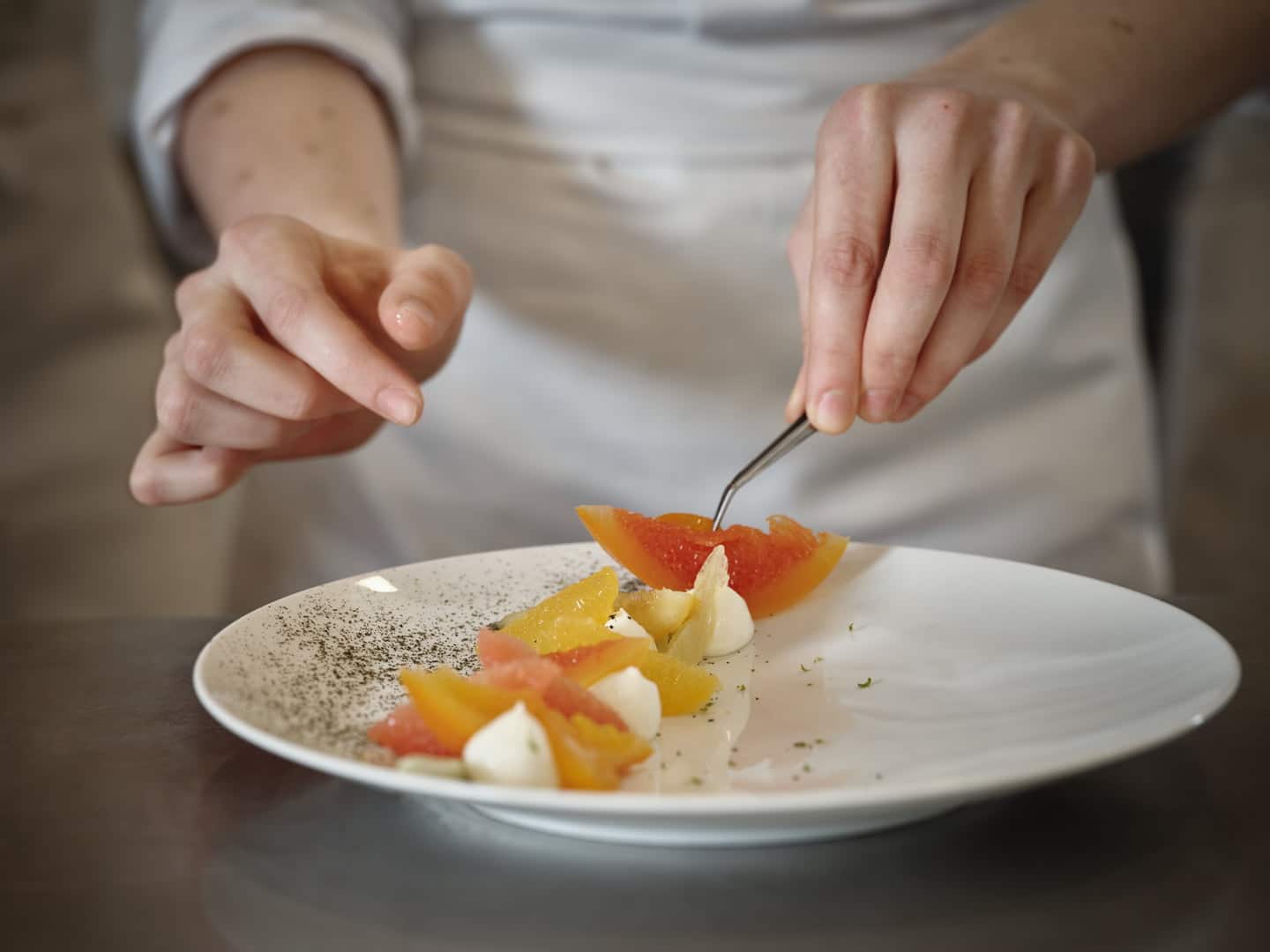
Plated desserts often rely on key components such as sponges, gels, mousses and crunchy layers. If you know how to fold batter or set a mousse, you can mix and match these elements in new, creative ways.
This mix of structure and creativity is also a driving force in food entrepreneurship. It’s what turns a well-made cake into a signature item at your bakery or a simple cookie into a best-selling product. With good technical skills, your creative ideas can become desirable, market-ready offerings.
Real-world training: why practice beats theory
Reading recipes and watching videos can introduce you to baking concepts, but nothing compares to hands-on practice. The best way to master techniques is through repetition and real-time feedback.
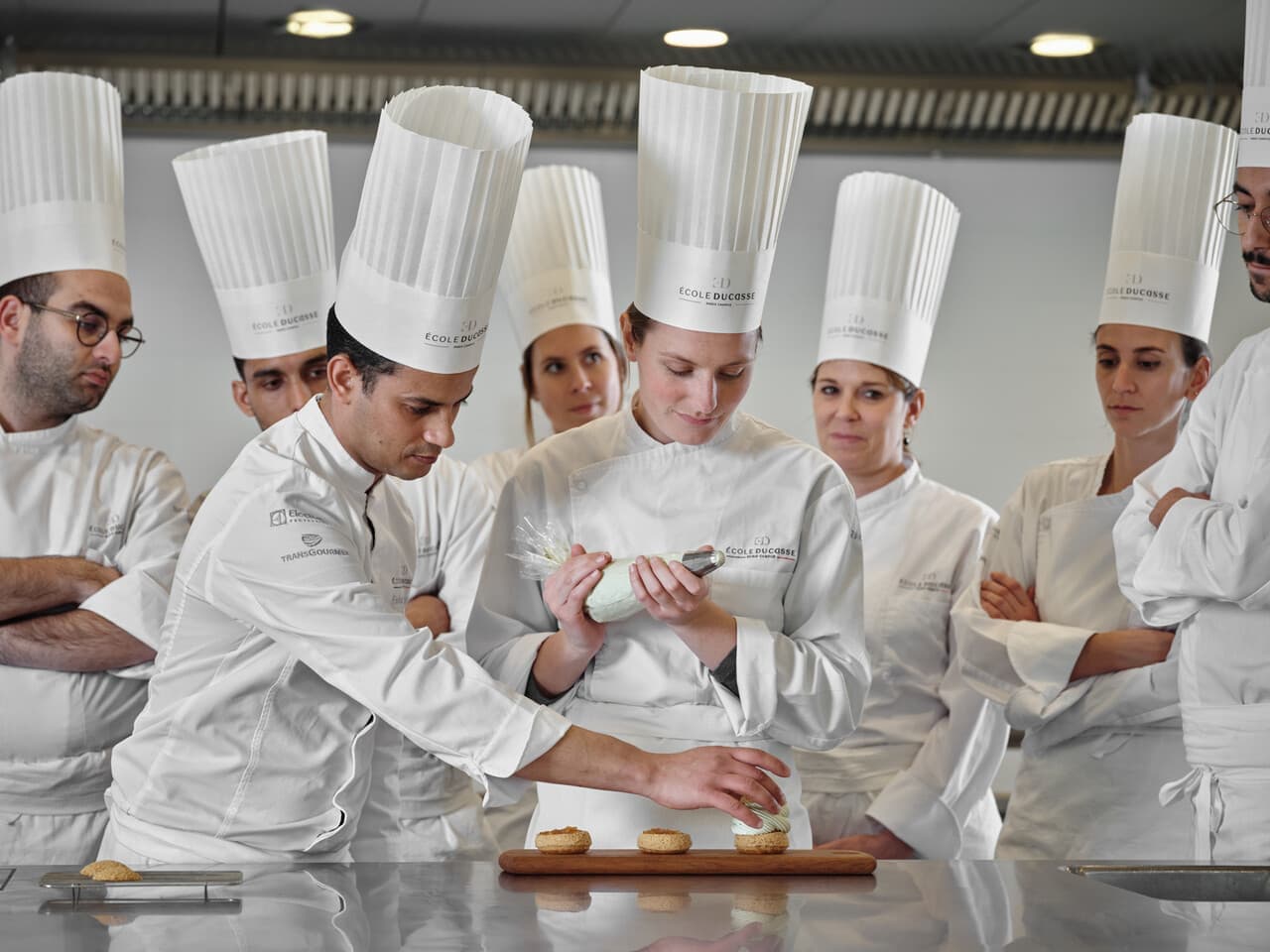
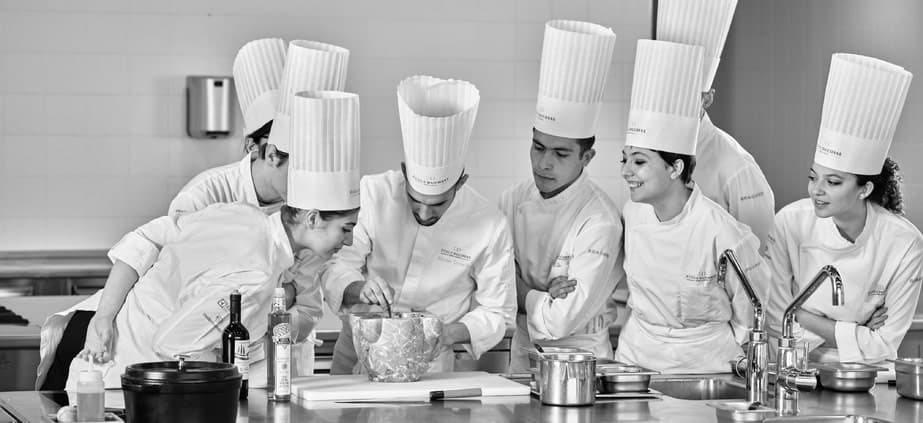
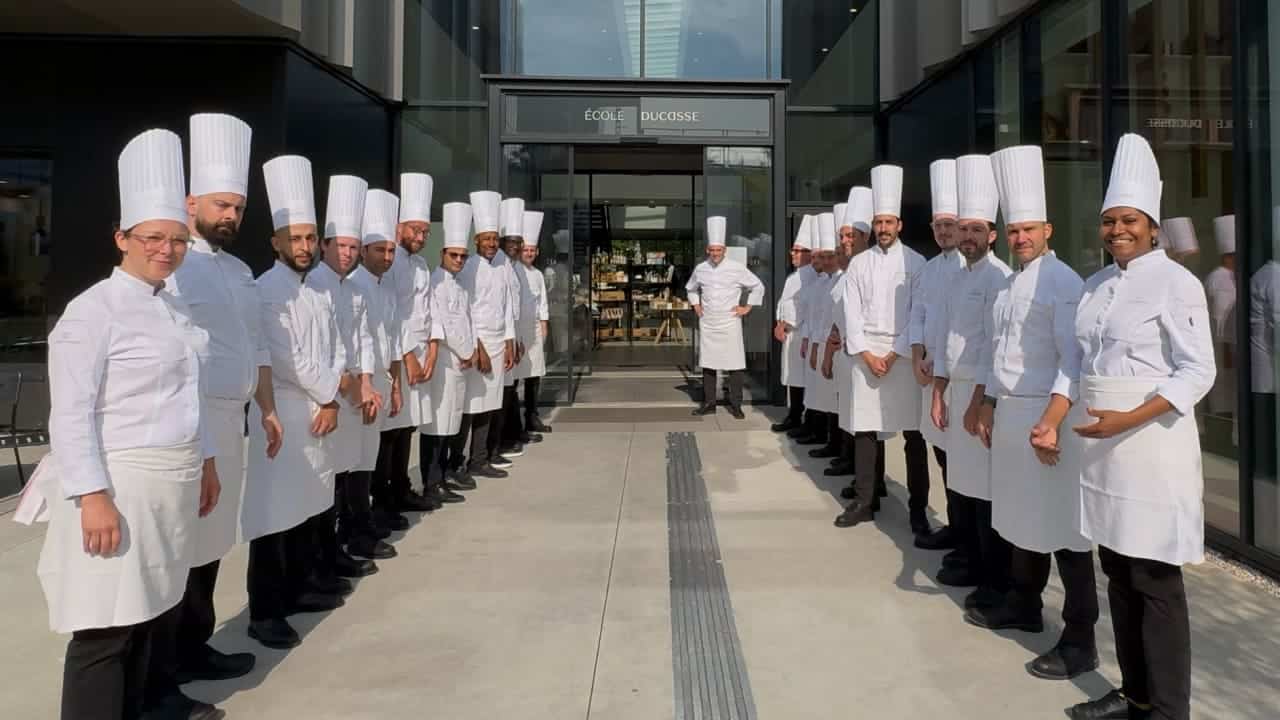
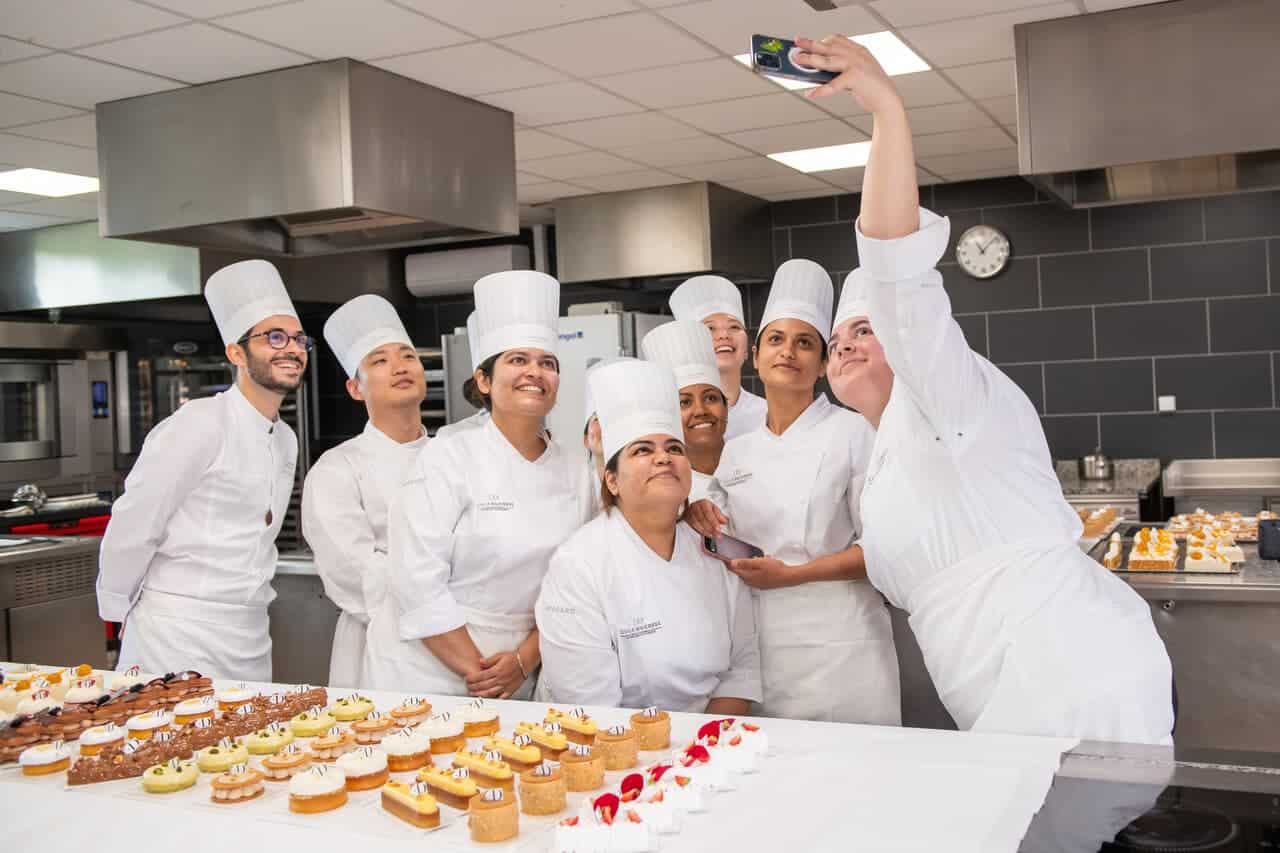
At École Ducasse, students train in professional kitchens under the guidance of expert instructors. They work with industry-standard equipment, learn how to preheat ovens for precise timing and use mise en place to stay organized. Instructors provide immediate feedback, whether students are using a convection oven or tempering chocolate.
Students in the Bachelor's in French Pastry Arts and Higher Diploma in Pastry Arts programs also train alongside mentors with experience in top competitions and Michelin-starred kitchens. This kind of real-world learning helps students grow faster and more effectively than self-study ever could.
Careers that depend on technical excellence
Having excellent technical skills opens doors to many exciting careers, from working in luxury hotels and patisseries to product development and food media. Mastering technique sets you apart in a competitive field.
Whether you're applying for an entry-level position or targeting a leadership role in a high-end kitchen, employers value consistency, speed and precision. Even in creative roles, foundational skills such as creaming, blind baking and proofing are essential.
If you're considering your next move, our chef career guide shows how solid technique, especially when supported by formal training, can lead to rewarding and lucrative opportunities.
Conclusion: build your technique, then your career
Great pastries don’t happen by chance; they come from well-honed skills practiced with care and consistency. Every perfect batter and beautifully risen loaf is the result of repetition and refinement, alongside using the right tools and ingredients.
Whether you want to become a pastry chef, open a bakery or simply improve your home baking, focusing on technique is the smartest place to start. When you learn to mix, knead, fold and bake with intention, you can lay the foundation for a successful career or a lifelong love of baking.