In this article, we explore what makes studying culinary arts abroad special, including the personal growth and professional opportunities it offers, the best countries for training, what to look for in a program and how it can influence your future in the food industry.
Why study culinary arts abroad?
Studying culinary arts abroad gives you a broader perspective on the kitchen. It expands your repertoire, introduces you to regional ingredients and traditions, and challenges you to step outside your comfort zone.
You gain exposure to different schools of thought, experiment with diverse flavors, and develop a deeper appreciation for technique, authenticity, and the art of culinary storytelling.
There are also clear career advantages. Graduates of world-renowned schools such as École Ducasse earn international prestige, while training in culinary capitals like Paris or Tokyo adds strong credibility to your résumé.
Just as importantly, you build connections with chefs, instructors, and classmates from around the world—relationships that can lead to future collaborations and global job opportunities.
France: a top destination for culinary education
Widely regarded as the birthplace of modern culinary arts, France is a cornerstone for anyone pursuing formal training. With its rich gastronomic history, emphasis on technique and deep respect for ingredients, it continues to set the global standard for culinary excellence.
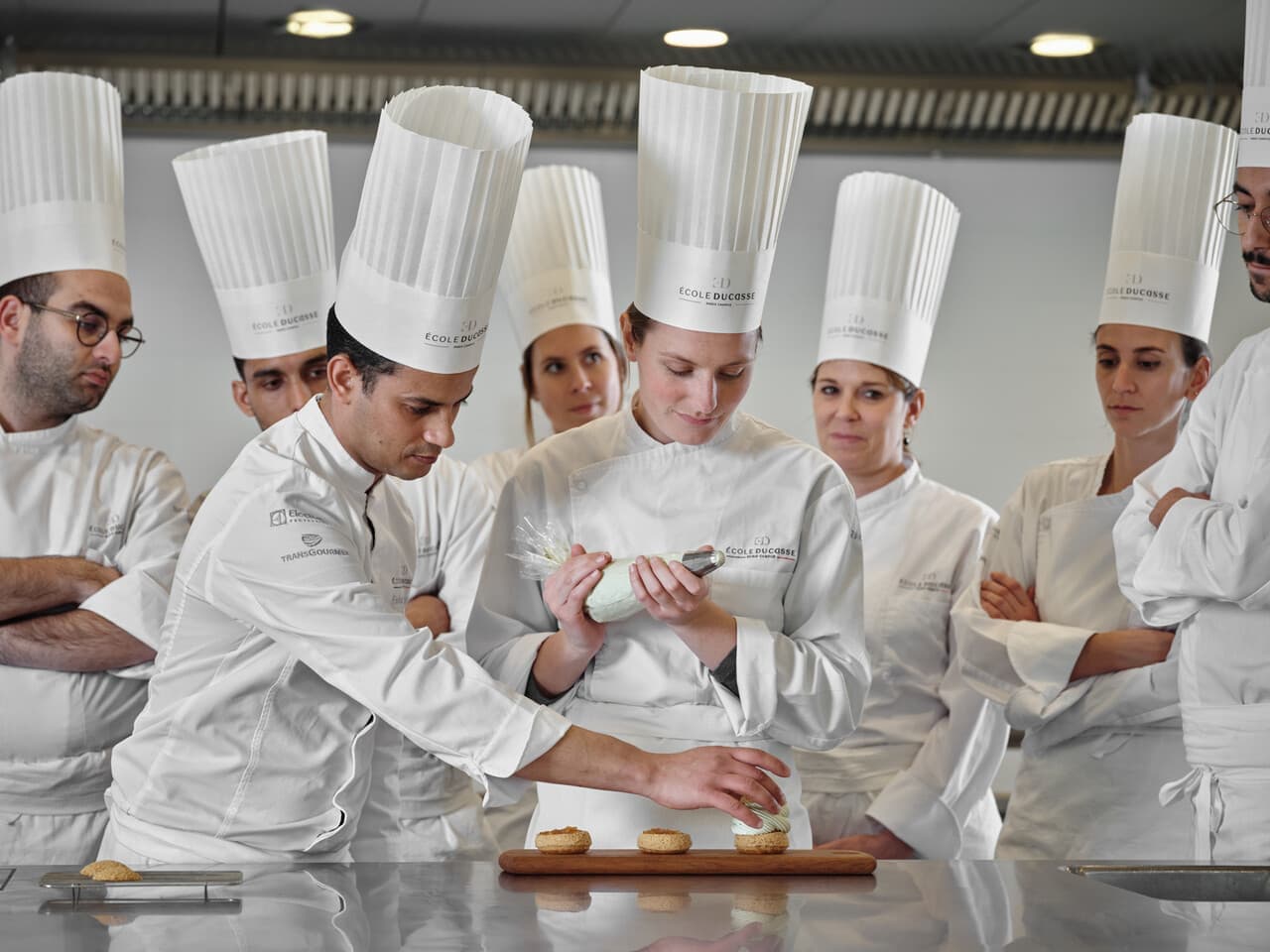
Students gain a good grounding in classical methods, including sauces, pastry, butchery and plating, as well as the discipline and precision that define French cuisine. Renowned institutions such as École Ducasse offer rigorous, structured programs taught by professional chefs.
Outside the classroom, students experience how food is woven into everyday life, from visits to open-air markets to sampling regional specialities such as Provençal cuisine or Alsatian pastries.
France remains one of the most respected and rewarding places to study the culinary arts, whether mastering fine dining or exploring the artistry of patisserie. École Ducasse’s Bachelor's in Culinary Arts in France offers a solid foundation in classical and contemporary training.
Other top countries for culinary studies
While France remains the benchmark for culinary precision and tradition, many students look to other destinations to expand their horizons. Each country offers a unique training environment shaped by its history, local ingredients and the businesses based there. If you're eager to study abroad and learn from culinary masters, below are some of the best places to start.
Italy: regional richness and pasta heritage
A dream destination for many culinary students, Italy has diverse regional techniques shaped by centuries of tradition, from handmade pasta in Emilia-Romagna to Sicilian seafood and rustic Tuscan fare. Students gain hands-on experience with time-honored recipes, work with artisanal producers and learn to build flavor through simplicity and quality ingredients.
Studying in Italy reveals how food intertwines with history, geography and daily life. With access to vibrant markets, vineyard tours and family-run kitchens, students can immerse themselves in a living culinary tradition that remains globally influential.
Japan: detail, discipline and respect
Offering one of the most rigorous and refined culinary traditions in the world, Japan is an exceptional destination for serious study. Precision and discipline are central to Japanese cooking, from knife skills to plating. Techniques are taught with deep respect for tradition, seasonality and the integrity of each ingredient.
Students gain first-hand experience in an environment where the culinary arts are treated as craft and philosophy. Whether learning kaiseki, mastering the basics of sushi or exploring regional dishes such as Osaka’s street food or Hokkaido’s seafood, students become part of a culture that values meticulous training, cleanliness and presentation.
USA: innovation and food entrepreneurship
The United States is a dynamic hub for culinary innovation, making it an ideal destination for students interested in cooking and the food industry. With its diverse population and regional cuisines, from Southern barbecue to Louisiana Creole, the U.S. offers a wide spectrum of culinary styles to explore.
What sets the U.S. apart is its spirit of experimentation and entrepreneurial ecosystem. Major food cities such as New York and Los Angeles provide access to world-class restaurants, test kitchens and food startups. Students learn to cook and also to adapt, lead and build brands.
Pastry arts abroad: a sweet career path
For those drawn to the precision and artistry of dessert-making, studying abroad presents numerous opportunities. It exposes you to techniques, ingredients and cultural traditions not available at home. Top international pastry schools offer expert instructors, world-class facilities and industry connections that can launch your career.
As the birthplace of pâtisserie, France remains one of the best and most respected destinations thanks to its rich baking heritage and high standards of training. At École Ducasse, students can choose from programs such as the Bachelor in French Pastry Arts, a comprehensive three-year course, or the Higher Diploma in Pastry Arts, offering intensive training in a shorter format.
Other countries also shine in baking and pastry arts education, including:
- Switzerland: famous for expert chocolate making
- Belgium: known for fine chocolate, sugar work and delicate biscuits
- Austria: famed for Sachertorte and a rich coffeehouse pastry culture
- United States: a hub for creativity and cultural fusion
- Japan: offering elegant pastries that blend French techniques with local flavors
What to look for in an international culinary program
Not all culinary schools abroad offer the same quality of education or career support. When comparing programs, focus on the elements that will shape your training and future in the industry, such as:
- Accreditation and global reputation: choose a school with recognized certification and a strong presence in the global culinary scene, for example, École Ducasse, which carries prestige and opens doors internationally
- Curriculum and areas of focus: look for programs that balance core techniques with opportunities to specialize, whether in pastry arts, regional cuisine or food entrepreneurship
- Practical training and real-world experience: hands-on learning is essential, with top schools offering kitchen training, internships and opportunities to work alongside chefs in real restaurant settings
- Expert faculty and industry connections: learn from chefs with real-world experience who offer mentorship and career insight and look for programs with guest instructors, exclusive events and supportive professional networks
- Alumni success: if past graduates have built great careers, it’s a clear sign the program delivers real-world value and credibility in the industry
Cost, accommodation and living abroad
Studying culinary arts overseas is a significant investment, so it’s essential to plan for the experience. Factor in living expenses, housing, travel, equipment and ingredients, as well as any additional fees for uniforms or externships.
Many top culinary schools are located in cities where the cost of living can be high. Paris, Tokyo and New York offer world-class opportunities, but come with premium price tags. Look into whether the school provides student accommodation or helps with housing placements and research the average cost of rent, food and transport in your chosen city.
Also consider the lifestyle and pace of the country you’ll be living in. Will you need to learn a new language? What are the visa requirements, healthcare options or part-time work opportunities? These factors can have a big impact on your day-to-day experience and should be weighed alongside the educational benefits.
While studying abroad may involve higher upfront costs, the return on investment can be significant. Many graduates go on to work in elite kitchens, start their own restaurant or secure roles in food media, hospitality management or product development.
Career paths after international study
A wide range of opportunities in and beyond the kitchen opens up after completing a culinary arts education abroad, including but not limited to:
- Work in top kitchens: many graduates begin their careers in fine-dining restaurants or luxury hotels, eventually progressing to roles such as sous chef, head chef or executive chef
- Start a restaurant or food business: international training equips students with the knowledge and confidence to launch their own restaurants, bakeries, food trucks or catering ventures
- Join culinary R&D or product development: some chefs move into research roles at global food companies or test kitchens, where they develop new recipes, menus and food innovations
- Pursue a career in food media: many alumni use their training to build a voice and brand in food publishing and media, from content creation and food styling to cookbook writing and presenting food shows
- Lead in hospitality or food sustainability: graduates also take on roles in hotel management, events, private dining or sustainability-focused initiatives, where culinary expertise supports broader leadership goals
Conclusion: the journey that changes everything
Studying culinary arts abroad is a transformative journey that shapes your perspective, sharpens your skills and expands your professional possibilities. Whether you're learning classical techniques in France, discovering regional specialties in Japan or exploring modern culinary trends in Singapore, the experience leaves a lasting mark on your craft and your career.
By choosing the best program for you in the right country, you gain world-class training while positioning yourself for long-term success in your chosen culinary path.