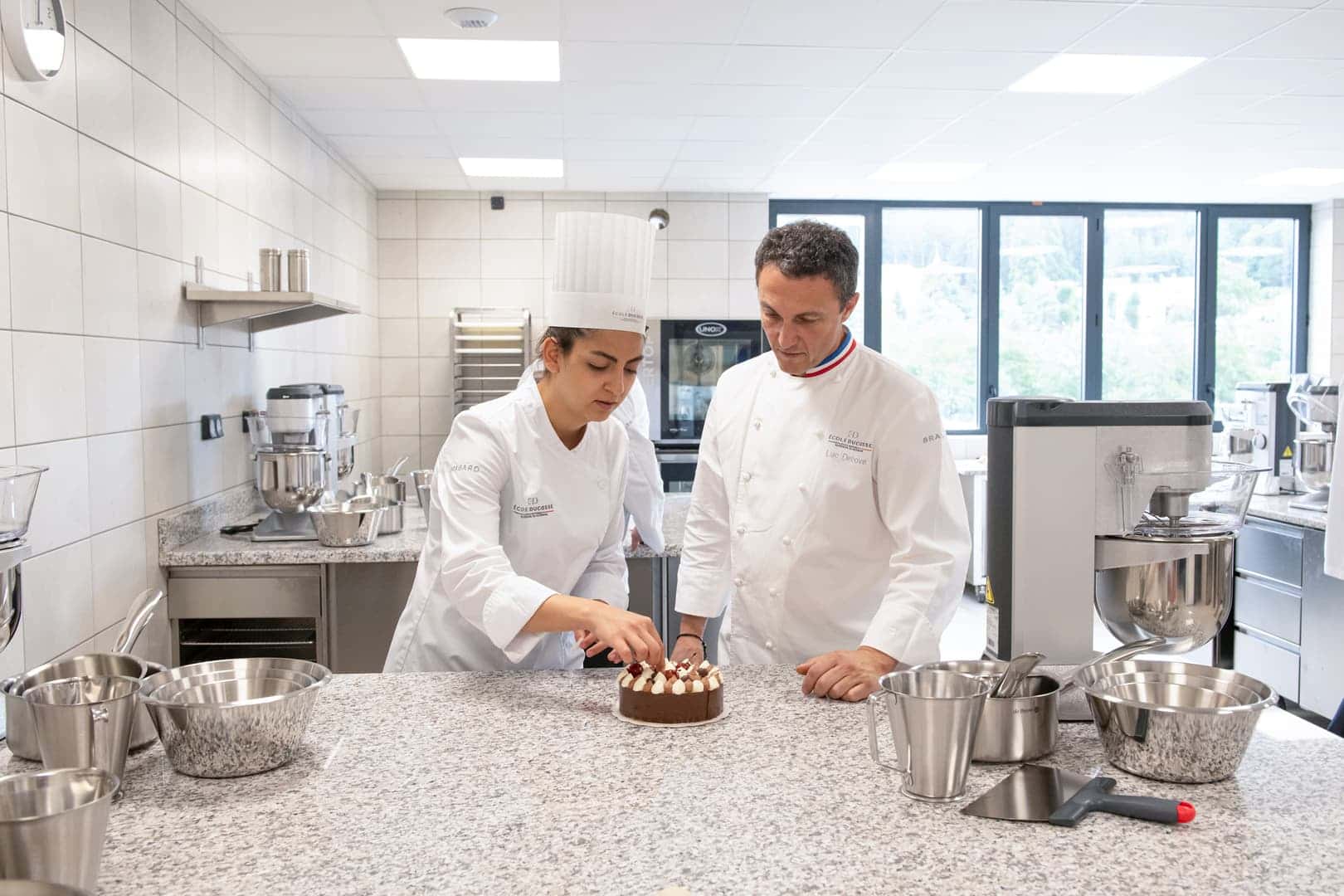
If students learned only from books or in a classroom, they wouldn’t gain the hands-on experience and real-world skills needed to succeed as chefs. Their training, education and personal development would be incomplete. That’s why all top culinary schools include internships as an integral part of their curriculum.
This guide explores what culinary internships are, the benefits they offer, what to expect and how to choose the right one to launch your career.
What are culinary internships?
Culinary internships are supervised training programs for students or recent graduates who want real world experience in foodservice. They can take the form of internships or externships—internships typically last several weeks or months with active participation in kitchen work, while externships are shorter and focus more on observation.
The purpose is simple: learning by doing. Interns gain hands-on practice in food preparation, kitchen organization, menu planning, food safety, and time management. Many programs take place in restaurants, resorts, or tourist destinations, exposing students to different cuisines and service styles.
During an internship, participants often rotate through various kitchen stations. A typical day might include prepping ingredients, refining plating techniques, and assisting with daily service. Some programs also provide exposure to hospitality roles, such as food and beverage service or rooms division, giving interns a complete view of the industry.
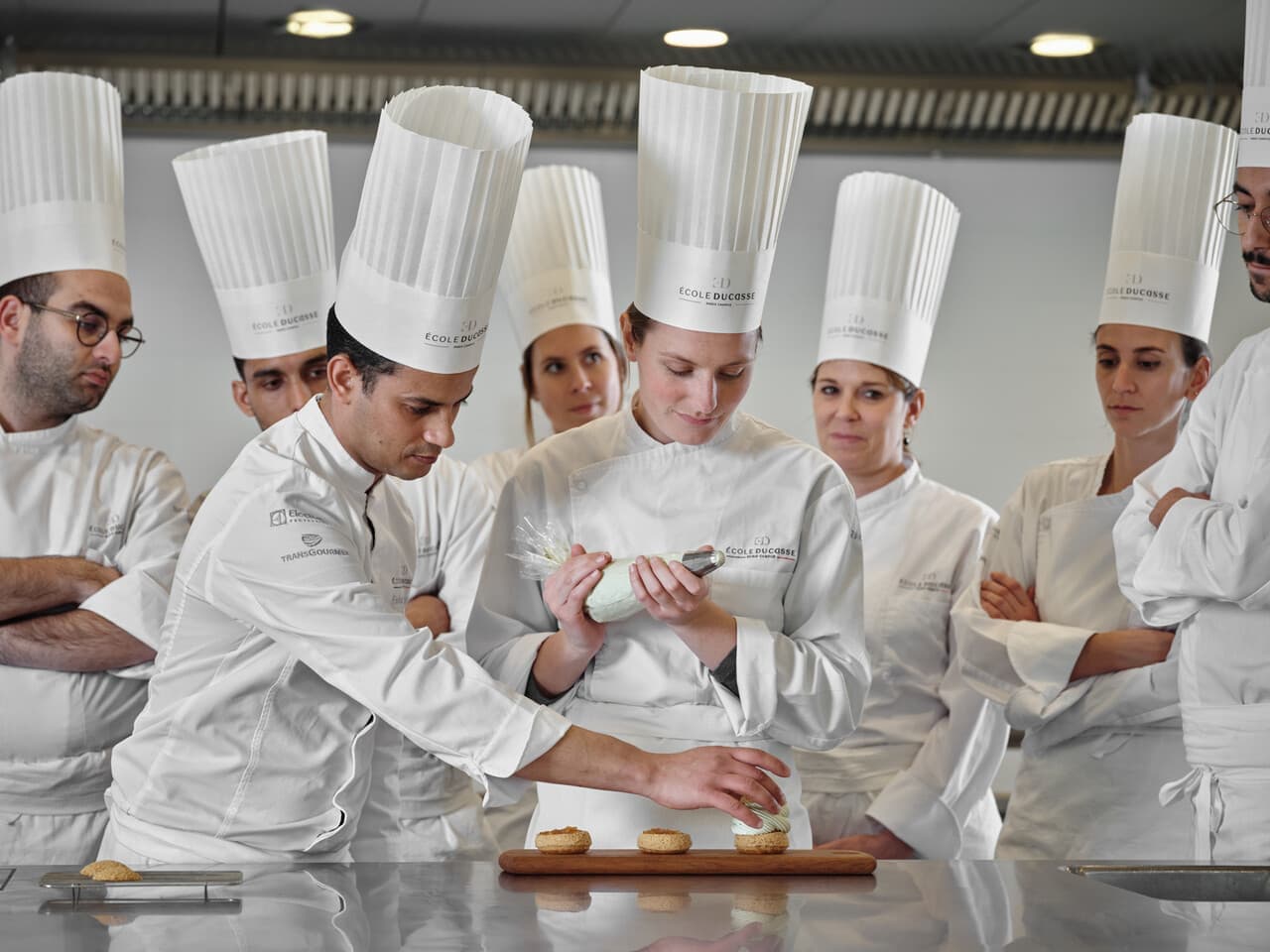
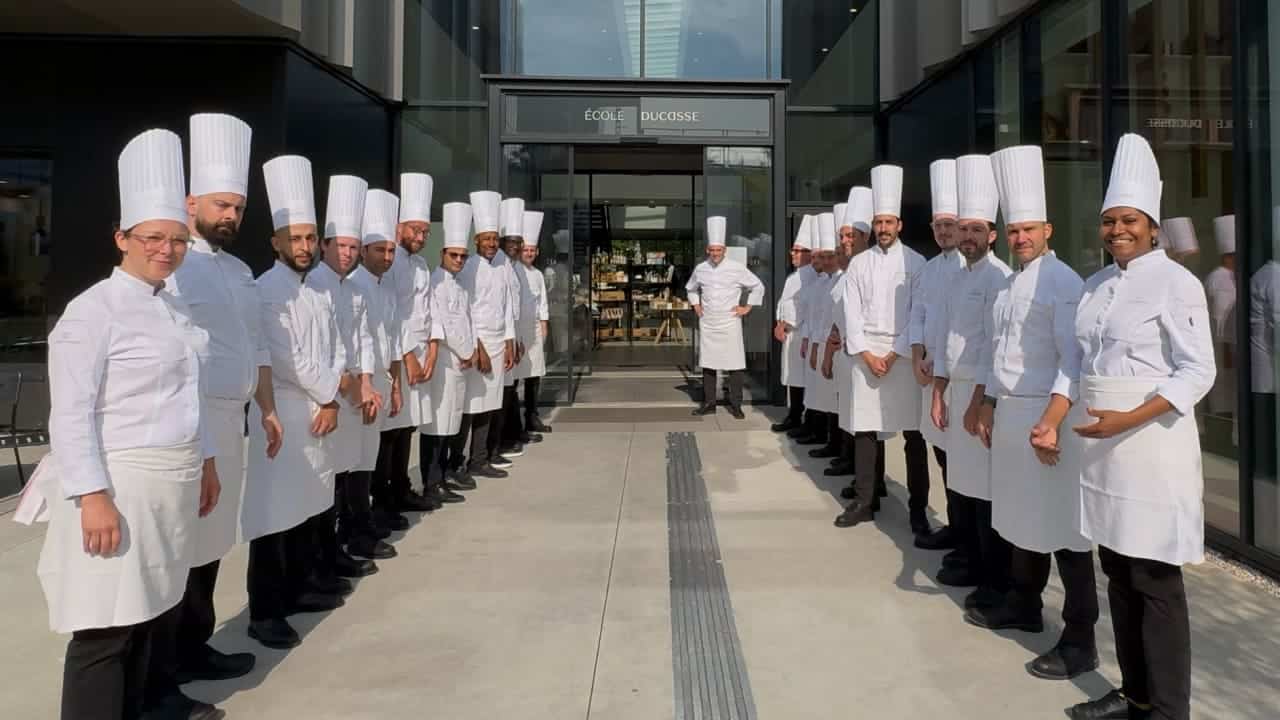
At institutions like École Ducasse, internships are an essential part of the curriculum. Its culinary school in France integrates structured training under expert chefs, ensuring students experience the same standards and expectations found in world-class restaurants.
Benefits of internships in culinary arts
A good internship helps students put what they’ve learned in the classroom into real practice. It turns theory into hands-on skills, builds confidence under pressure and offers a chance to explore the traditions behind different cooking styles.
An internship enables students to:
- Apply classroom skills such as pastry making, hygiene standards and French cooking techniques in real kitchen settings
- Gain confidence by working in fast-paced environments with real customers
- Learn kitchen organization and teamwork by observing and assisting head chefs
- Understand high-level planning, such as menu design, wine pairing and inventory management
- Build industry connections, which are important for future career opportunities
Internships also help students grow emotionally. Interns learn how to take feedback, juggle tasks and meet the high standards of top kitchens. International internships are especially valuable in helping students develop flexibility and cultural awareness by working in different countries and adapting to new environments.
What to expect during a culinary internship
Interns typically begin with foundational tasks designed to help them build essential chef skills. Under the guidance of the kitchen brigade, interns can expect to take on a variety of responsibilities, such as:
- Washing produce and prepping stocks and sauces
- Organizing kitchen stations in preparation for service
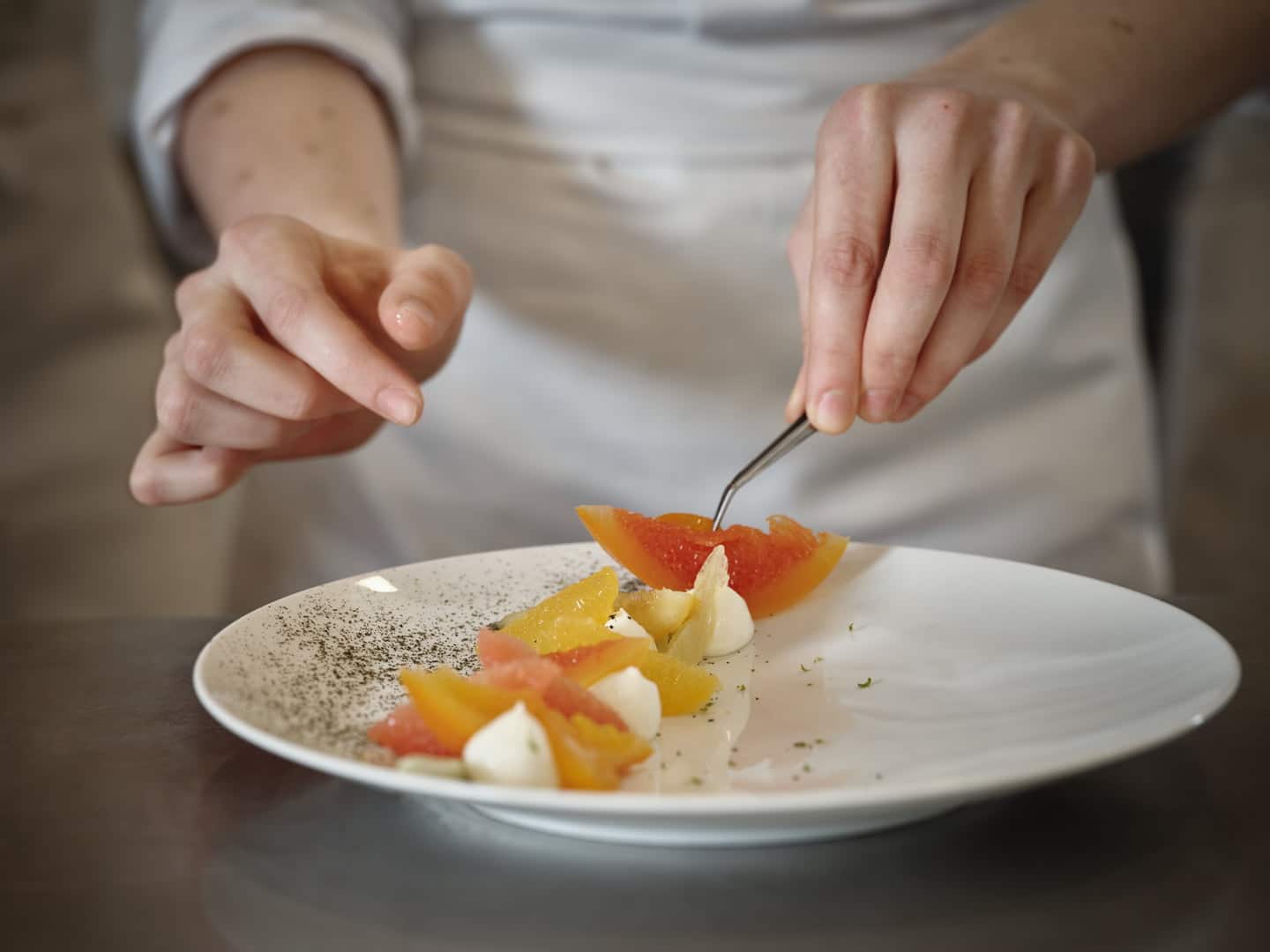
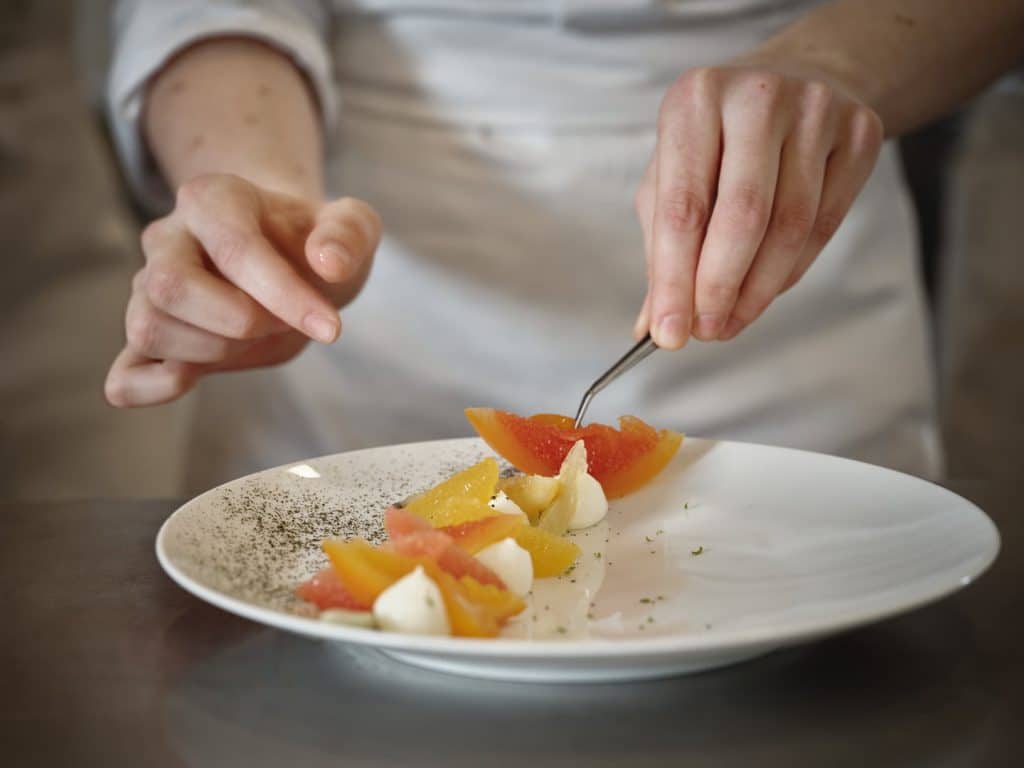
- Plating dishes under a chef’s supervision
- Performing cleaning duties and maintaining proper hygiene practices
- Assisting service teams during peak hours
Regular feedback is an integral part of the learning process. Interns refine their culinary techniques while also developing time management, teamwork and adaptability in high-pressure kitchen environments.
Choosing the right culinary internship
As they can shape the trajectory of your career, it’s important to weigh your internship options carefully. Look for programs that offer experiences that lead to real growth and opportunities, not just physical kitchen work.
Some key criteria to consider include:
- Mentorship quality: a great mentor can elevate your skills, refine your technique and offer invaluable industry insights. Select internships where chefs are recognized for developing talent
- Kitchen culture: the environment in which you train matters. Respectful communication, structured learning and a focus on teamwork make a big difference in your day-to-day experience
- Learning scope: the best internships offer exposure to multiple stations and techniques. Look for placements where you'll rotate roles, work with seasonal ingredients and learn the business side of culinary operations
There are also some important differences between domestic and international internships to consider:
- Domestic internships: offer convenience and may help you build connections in your local food scene. They're a great choice if you’re looking to establish roots or get a feel for regional cuisine
- International internships: provide cultural immersion and access to world-renowned culinary traditions. They can broaden your palate, introduce you to global techniques and strengthen your résumé
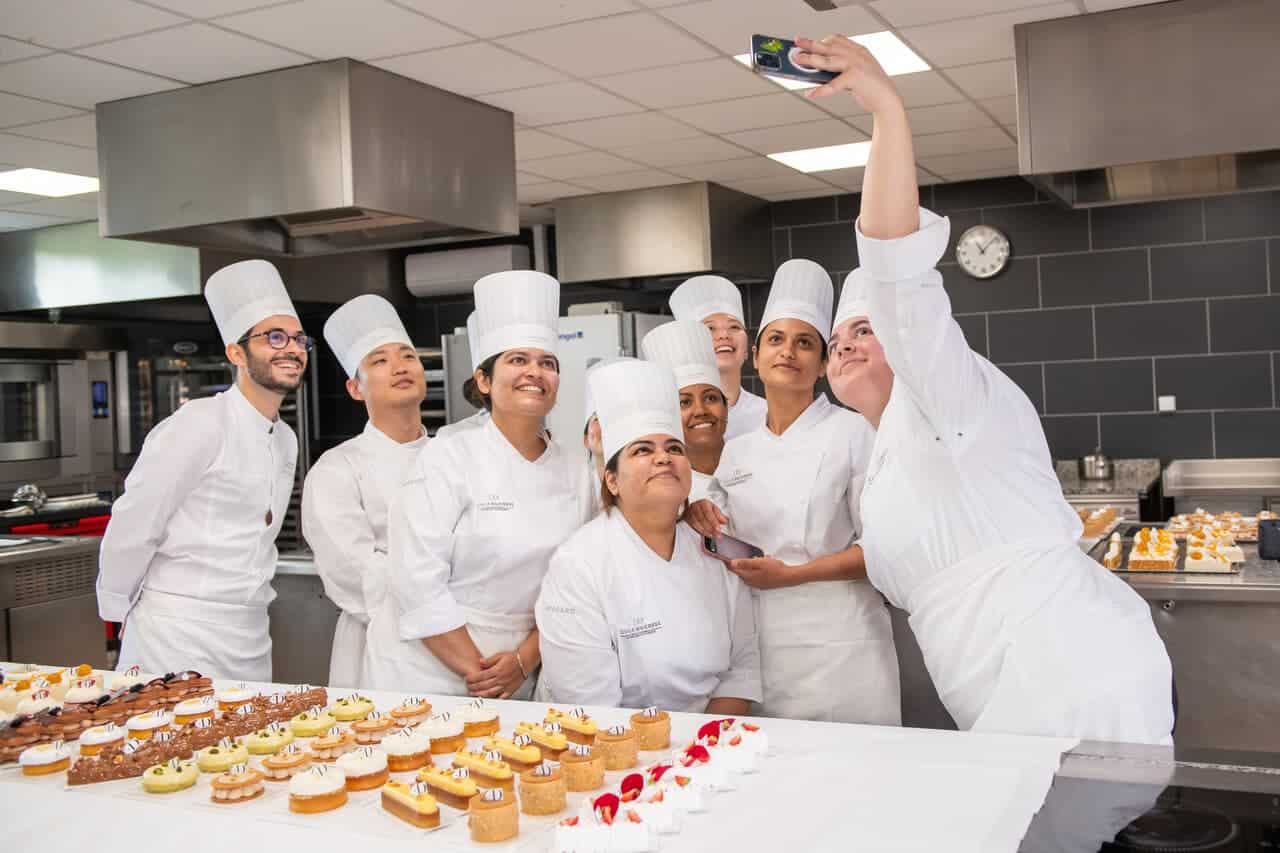
For example, many students from École Ducasse’s Baking and Pastry Arts course go on to take part in prestigious internships in France, Monaco and across Asia. These are renowned for their excellence in culinary education and provide access to some of the world’s most refined pastry kitchens.
How culinary schools support internships
Most top institutions have dedicated career services and placement teams that guide students through every step, from crafting a standout résumé to preparing for interviews and networking with industry leaders.
Many schools have formed partnerships with renowned restaurants, hotels and culinary brands, including Michelin-starred establishments, luxury resorts and innovative food companies. These provide students with access to exclusive internships that match their skills, aspirations and culinary style.
At École Ducasse, students on the Bachelor in Culinary Arts and other programs benefit from a personalized approach to internship placement. The school’s industry connections and focus on each student’s goals ensure internships are stepping stones toward long-term success in the global culinary world.
Internship outcomes and long-term career paths
In some cases, culinary internships can lead directly to a full-time job position, especially if the intern shows skills in kitchen organization, menu planning and food quality.
Internships can also help you figure out which path in the culinary world is right for you. Some students discover a passion for fine dining, while others are drawn to wellness cuisine or high-volume kitchens.
For many, internships lay the groundwork for future goals in areas such as food entrepreneurship, culinary education or recipe development. These interests often evolve into larger ventures, projects or advanced roles, illustrating how early experiences can shape long-term potential.
Real-world example: internships at École Ducasse
Students enrolled in the Bachelor programs at École Ducasse complete three professional internships, each lasting 24 weeks, interwoven with three academic semesters over the course of three years.
This structure ensures extensive exposure to real-world kitchen environments and cultivates invaluable technical know‑how, problem-solving abilities and business communication skills.
Students have the opportunity to apply their knowledge in prestigious culinary establishments such as:
- Ducasse Paris, the flagship institution of Chef Alain Ducasse
- Potel et Chabot, renowned for high-end events and catering
- Guy Savoy, a multiple Michelin-starred restaurant
- Maison Pic, a historic French fine-dining restaurant led by Anne-Sophie Pic
Alumna Emiri Tsushima shared how supportive and insightful the chefs were during her placements:
“Chefs and pâtissiers were very motivated, kind and willing to teach me knowledge and techniques. I tried to speak French as much as I could. They kept their patience and spared their time to explain pastry to me. It was full of learning.”
Farah El Charkawy, a graduate of the Higher Diploma in Pastry Arts, described how her internship led to the launch of her own business, Foû by Farah, in Cairo:
"In my creations, I mix French pastries with oriental flavors such as pistachio, orange blossom, bitter almond and rose. I was introduced to the beauty of these flavors during my internship with Chef Michalak. I work with quality products and the returns are good.”
Tips for applying and making the most of it
To stand out when lining up internships, create a professional portfolio that showcases your academic achievements and any work experience. Be sure to highlight key skills such as food preparation, kitchen organization and knowledge of culinary traditions as these can leave a good impression on potential hosts.
Approach your internship with a growth mindset. This means being punctual, showing enthusiasm, asking questions and being open to feedback. Interning gives you a unique opportunity to learn directly from experienced professionals and see how top-level kitchens operate.
If you’re planning to intern abroad, begin by researching the visa requirements for your destination. Many culinary programs provide assistance with essentials such as housing, insurance and necessary paperwork.
At École Ducasse, for example, students in the culinary arts degree program receive personalized support from faculty and placement teams to help them prepare for and maximize their internship experience.
Conclusion: hands-on experience that shapes your future
Culinary internships are life-changing opportunities that provide students with the tools, confidence and mindset to thrive in the industry. Whether you're placed in a food hall, wine cellar or Michelin-starred kitchen, each experience will deepen your culinary skills and perspective.
Every moment, from plating your first dish in a high-pressure kitchen to shadowing a chef during a tasting menu service, is a step toward a professional culinary career.
Learning in real kitchens brings clarity about your strengths, ambitions and the kind of chef you aspire to be. For many, internships are the beginning of something much greater.