But how do you move from home baking to holding your own in a real pastry kitchen? What’s the real-world timeline for mastering this craft and what steps actually lead from classroom to career? If you’re after direct answers, keep reading. This guide outlines every stage, so you know exactly what to expect and how long the journey may take.
What does a pastry chef do?
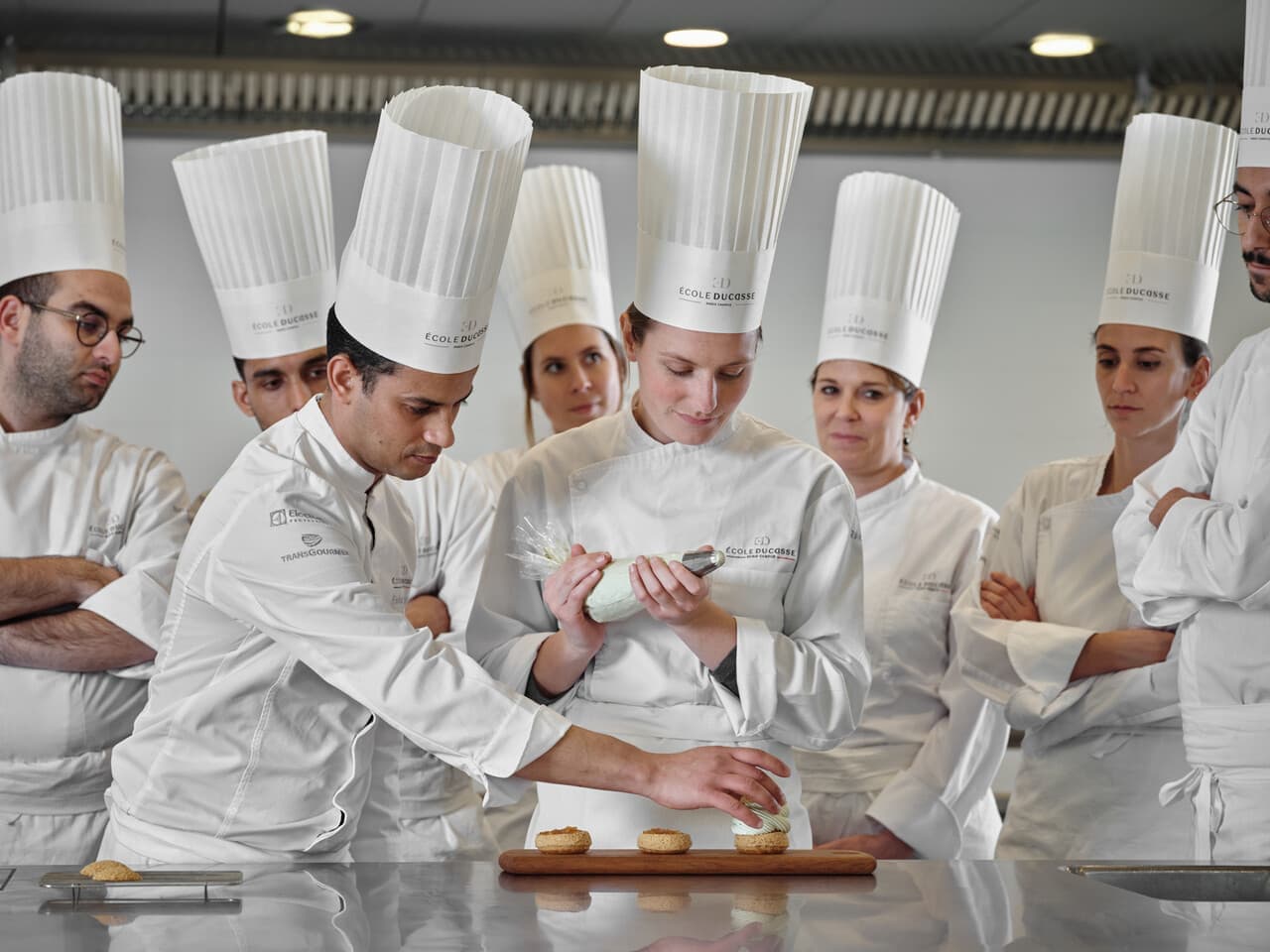
The role of a pastry chef is dynamic and varies day to day. One morning might begin with piping éclairs or preparing viennoiserie, while the afternoon could involve glazing fruit tarts or assembling elegant desserts for a special event. Your daily responsibilities will depend on your workplace and area of specialization, but may include:
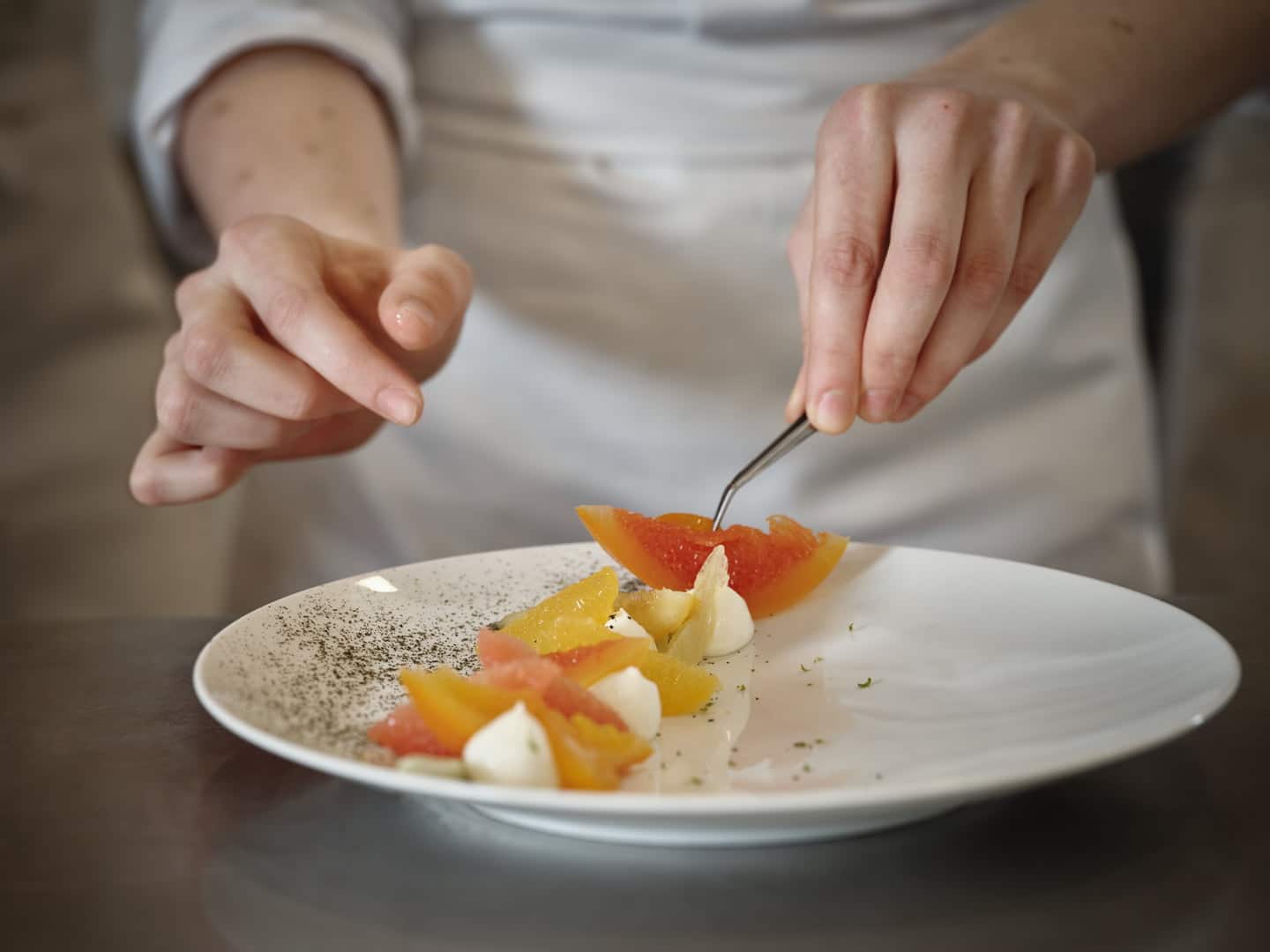
- Crafting delicate desserts and plated pastries for elegant dining rooms
- Laminating doughs for viennoiserie, such as croissants and pain au chocolat
- Shaping chocolate sculptures, confections and seasonal bonbons
- Designing large-scale showpieces for weddings and high-profile banquets
- Baking bread, rustic tarts and regional specialties from scratch
- Finishing creations with intricate sugar work, glazes and sauces
The settings are just as varied as the menu. Pastry chefs can be found:
- Running the ovens at high-end patisseries or boutique bakeries
- Leading dessert stations in five-star hotels, luxury resorts and on cruise ships
- Collaborating in Michelin-starred kitchens and fine dining restaurants
- Preparing specialty cakes in event catering companies or culinary schools
- Creating custom orders in chocolate shops or wedding cake studios
Each role requires a toolkit of technical skills, creative vision and attention to detail. For a deeper look at the abilities top chefs rely on every day, check out this guide on essential pastry chef skills.
Education pathways: pastry chef training options
There are multiple routes to becoming a pastry chef and the one you choose will impact how long the journey takes. Aspiring chefs can start with short-term certifications, attend specialized schools or pursue a full pastry chef education through formal diploma or degree programs. Understanding the following options can help you plan the best path.
Certificate courses (six to 12 months)
Many aspiring pastry chefs start with a short program, which is ideal for those eager to get hands-on experience quickly or for anyone looking to sharpen their skills before diving deeper.
- Who benefits: beginners seeking a quick entry point or professionals upgrading specific techniques
- Program style: intensive, hands-on kitchen work focused on core pastry methods
- Typical outcome: graduates are prepared for entry-level roles or may use the certificate to pursue further study
Curious about what’s included? Baking and pastry arts courses often pack a wide range of practical skills into an intensive curriculum over the course of several months.
Diplomas (one to two years)
For a deeper dive into the pastry arts, diploma programs combine classroom instruction with rigorous kitchen training.
- Who benefits: aspiring pastry chefs ready for in-depth, daily practice
- Program style: blends theory, technique and kitchen management
- Typical outcome: graduates are qualified for junior pastry chef or commis positions
A higher diploma in pastry arts can also help you build expertise in advanced pastry and chocolate work.
Bachelor degrees (three years+)
If you’re aiming for leadership roles or want the broadest foundation, a full bachelor’s degree provides the most comprehensive training.
- Who benefits: students looking to develop technical mastery, business, science and management skills
- Program style: extensive curriculum covering everything from classic pastry to modern plating
- Typical outcome: graduates are eligible for advanced positions, leadership tracks or teaching opportunities
The Bachelor in French pastry arts is one of the best-known examples, designed for future patisserie innovators.
Short courses vs. full diplomas and degrees
Short-term programs are great for rapid upskilling or exploring a niche area, but full diplomas and degrees offer access to a broader network and give you the time to develop better technique and refine your craft. In practice, many chefs begin with a certificate, gain a year or two of kitchen experience and then return for more advanced study when they’re ready to progress.
Pastry chef education requirements
Admission to a professional pastry program typically involves meeting a set of foundational requirements. While specific criteria vary by school, most programs look for a combination of basic academic qualifications and a strong commitment to learning and growth in the kitchen.
Before you apply, make sure you have:
- High school diploma or equivalent (for most full diplomas and degrees)
- A passion for pastry arts, as schools seek students who show creativity, curiosity and a willingness to learn
- Physical stamina and attention to detail
- A basic understanding of mathematics and science, which are essential in pastry technique
Top culinary schools are looking for students who combine discipline, attention to detail and a readiness to work under pressure. If you want to stand out in your application, highlight real-world examples where you’ve shown these qualities, whether that’s managing a kitchen project at home or pushing yourself to perfect a tricky recipe.
Want a detailed breakdown of what the top programs expect? Explore these culinary school admission insights from France.
Career timeline: from kitchen trainee to pastry leader
So how long does it take to become a pastry chef? While every journey is unique, most careers in the pastry world follow a path shaped by experience, consistency and specialization. Typically, that progression follows the steps outlined below.
1–2 years: building experience as a commis pastry chef
After completing your studies or training, most aspiring pastry chefs begin in a commis or assistant role. This is your time to build speed, discipline and an understanding of real kitchen dynamics.
- Responsibilities include prepping ingredients, supporting senior chefs, managing mise en place and plating under pressure
- You’ll learn how to handle the pace of service, troubleshoot on the fly and adapt your techniques to fit house style
- This phase is all about refining your core skills while becoming a reliable member of the pastry section
3–5 years: stepping into mid-level roles
As your confidence grows, so does your responsibility. Many chefs at this stage begin managing small teams, overseeing sections of the menu or taking creative ownership of specific desserts.
- You might work as a chef de partie (pastry) or a junior sous chef, depending on the kitchen structure
- This is also when many professionals begin exploring specializations, from viennoiserie to plated desserts to sugar work
- You’ll be expected to mentor newer staff, maintain consistency and contribute ideas for seasonal or à la carte menus
5+ years: leading the pastry kitchen or going independent
Reaching senior-level positions often takes five years or more, depending on the kitchens you’ve worked in and the size of the brigade. At this point, many chefs move into leadership or entrepreneurial roles.
- Positions may include head pastry chef, executive pastry chef or specialist consultant
- Some open their own patisseries, launch boutique dessert businesses or develop products for retail
- This is also a time when chefs may return to education, either as mentors, guest instructors or course creators, giving back to the next generation of pastry professionals
Work environment and career development
If you plan to make pastry your career, it pays to understand what daily life feels like and how the right experience can lead to advancement.
Fast-paced kitchens
The rhythm of a pastry kitchen is nothing short of intense. Tight schedules, precise timing and a stream of orders mean pastry chefs work quickly while never sacrificing accuracy. Most days begin early and finish late and spending hours on your feet is the norm. Mistakes are costly, so a keen eye for detail is critical.
Collaboration and specialization
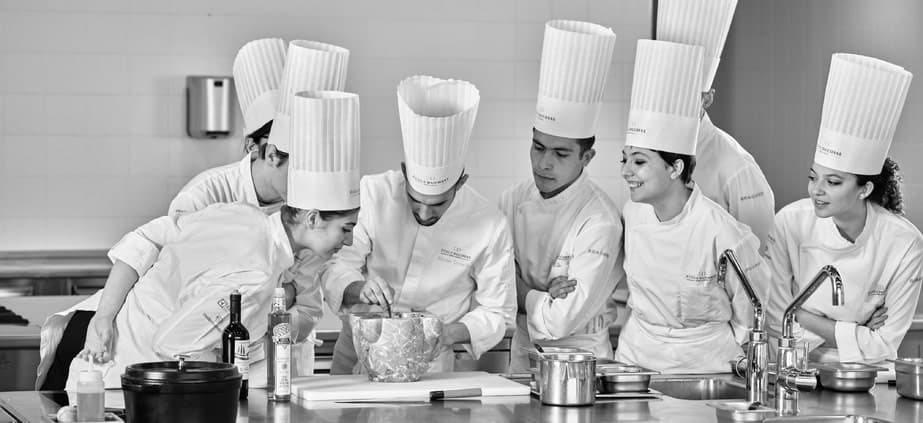
Succeeding in pastry is rarely a solo act. Chefs team up with cooks, sous chefs and kitchen managers and getting it right is as much about individual talent as it is collective effort. As you gain experience, opportunities arise to focus on a specific area of pastry. Some chefs dive into chocolate work or sugar art, while others master the art of plated desserts or take on the challenge of overseeing an entire bakery or pastry department.
Opportunities for growth
Career progression in pastry offers a range of possibilities, each requiring a different mix of skills and creativity. As you develop your craft, you may pursue roles such as:
- Chocolatier, creating high-end chocolate products and showpieces
- Cake artist, designing elaborate creations for celebrations and events
- Sugar showpiece specialist, crafting intricate decorations for displays or competitions
- Bakery or patisserie owner, managing your own business and leading a team
- Food entrepreneur, launching new products or brands in the culinary industry
Each path offers its own set of rewards and challenges and the direction you take depends on your strengths, interests and ambitions.
The importance of experience and mentorship
While classroom instruction provides essential knowledge, true growth occurs through real-world kitchen experience. Developing a successful pastry career depends on hands-on practice, repetition, and learning directly from experienced professionals who have refined their craft over time.
Aspiring pastry chefs benefit from:
- Internships and apprenticeships, which provide a front-row seat to the realities of busy kitchens. During these periods, you gain first-hand exposure to daily operations, refine your technique through repetition and learn by observing experienced chefs at work
- Mentorship, which allows you to work directly under established pastry chefs. Learning in this way helps you pick up essential habits, build speed and sharpen your professional judgment, all things that rarely develop in the classroom alone. It also accelerates skill development while shaping your attitude, work ethic and career direction
- Competitions and certifications, which give you the chance to test your skills in high-pressure situations and measure your progress against industry standards. Competing helps build confidence and pushes you to raise your standards even further
For more on building a path through experience, check the chef career guide. If your interests include launching a business or developing new products, it pays to learn about food entrepreneurship as well.
Starting your own pastry career
Moving from classroom training to a paid position requires real technique, a professional mindset and the determination to stand out. The process starts with landing your first job but can lead to all sorts, including building a brand or launching your own business.
Finding your first position
While you’ll obviously need a good résumé, that’s just the start. New pastry professionals benefit from a few focused steps:
- Photograph your best work and build a portfolio. Clear, high-quality images of your desserts and pastries show potential employers what you can do
- Expand your network by attending industry events, joining professional organizations and connecting with experienced chefs or mentors
- Apply to respected bakeries, hotels, resorts or patisseries with good reputations for training and promoting talent
Launching your own brand or business
Once you gain confidence and experience after working in a professional baking environment, you might decide to open your own bakery, dessert bar or even create a line of pastry products. This move calls for careful planning and a combination of creativity and business skills. Aspiring business owners should:
- Learn about the operations, legal requirements and customer service levels you'll need by finding out how to start a restaurant or similar foodservice company
- Strengthen business communication skills to handle suppliers, staff and customers effectively
- Stay current with the latest trends and best practices in food entrepreneurship
Starting a pastry career means building on each small success, learning from every challenge and being willing to adapt as you grow. Every step forward, from your first job to launching a business, depends on initiative, resilience and a drive to keep improving.
Next steps: turning ambition into a career
Becoming a professional pastry chef is a journey of patience and passion. From your first lesson in pâte sucrée to the day you step up as head chef, each stage builds your skills and shapes your style. The hours can be long and the standards high, but the satisfaction of seeing your creations inspire joy and awe in others makes the effort worthwhile.